
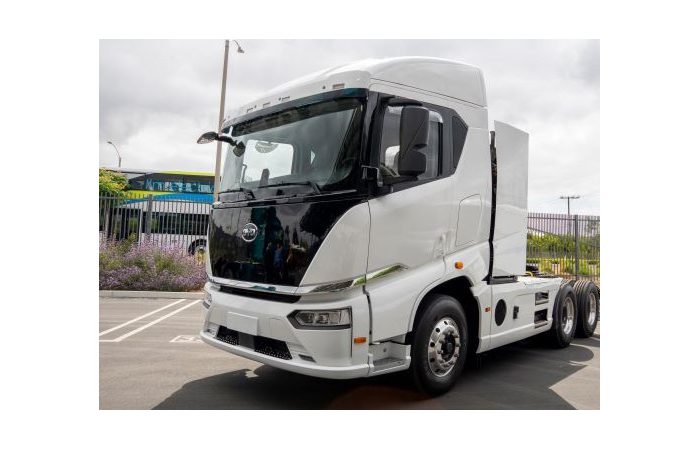
Key Takeaways:
- California’s Air Resources Board (CARB) has launched a significant new rebate program, committing $1 billion through 2030, to encourage the widespread adoption of zero-emission medium- and heavy-duty trucks.
- Funded by revenue generated from the state’s Low Carbon Fuel Standard, the initiative will make $250 million available in rebate funding this year alone.
- Beginning June 26, eligible public and private fleets across California can access rebates ranging from $7,500 to $120,000 for the purchase or lease of new electric commercial vehicles.
- This program underscores California’s sustained commitment to clean transportation and improving air quality, particularly along crucial freight corridors.
California Pioneers New $1 Billion Incentive for Zero-Emission Commercial Vehicles
Sacramento, California – In a bold move signaling an intensified commitment to clean transportation, the California Air Resources Board (CARB) has officially launched a new, extensive rebate program designed to propel the deployment of zero-emission medium- and heavy-duty electric trucks across the state. This initiative, which opens for retailer enrollment immediately, anticipates making approximately $1 billion in funding available through 2030, with a substantial $250 million allocated for rebates in the current year.

The announcement comes as California continues to reinforce its leadership in environmental policy, particularly in the realm of vehicular emissions. The new program aims to significantly reduce the financial barriers for fleets transitioning to electric trucks, aligning with the state’s ambitious climate objectives and air quality mandates.
Understanding the New Rebate Initiative for Electric Trucks
The core of this groundbreaking program is the California Clean Fuel Reward, specifically tailored for electric medium- and heavy-duty trucks. It represents a direct financial incentive designed to make zero-emission options more accessible and economically attractive for businesses and public entities alike.
Funding Mechanism and Scale
Unlike some federally backed initiatives, this program draws its financial muscle from a unique state-level mechanism: revenue generated by utilities under California’s Low Carbon Fuel Standard (LCFS). The LCFS is a cornerstone of California’s climate policy, designed to reduce the carbon intensity of transportation fuels in the state.
By channeling these revenues back into the electric vehicle ecosystem, the state ensures a self-sustaining funding source for the transition to cleaner technologies. The initial $250 million in rebate funding for the current year sets a robust foundation for the projected $1 billion commitment through the end of the decade, demonstrating a long-term vision for fleet electrification.
Eligibility and Rebate Tiers
Starting June 26, 2026, the rebates will become accessible at a network of authorized retailers across California. Both public and private fleets operating within the state are eligible to apply, encompassing a wide array of commercial operations.
The financial incentives are structured to provide substantial support, with rebates varying from a minimum of $7,500 to a maximum of $120,000 per vehicle. These funds can be directly applied towards either the purchase or lease of new electric medium- and heavy-duty commercial vehicles. The eligible vehicle categories are broad, covering essential segments such as drayage trucks, electric semis, versatile box trucks, efficient delivery vans, and various other fleet vehicles crucial for logistics and commerce.
Notably, public fleets will also have the opportunity to acquire smaller Class 2b vehicles, including pickup trucks, provided these vehicles are exclusively utilized for business-related purposes. This inclusive approach ensures that a wide spectrum of fleet needs can be met through this incentive program.
California’s Broader Push for Zero-Emission Fleets
This newly launched program is not an isolated effort but rather a strategic enhancement of California’s existing comprehensive framework for accelerating zero-emission vehicle deployment. The state has a proven track record of significant investments in clean transportation.
A prime example is the Clean Truck and Bus Voucher Incentive Project, another vital component of California’s strategy, which has already channeled over a billion dollars into California fleets to facilitate the adoption of electric trucks and buses. These complementary programs create a robust ecosystem of support, fostering an environment conducive to large-scale fleet electrification.
The impact of these sustained efforts is already visible. Data from 2024 indicates a significant shift, with zero-emission vehicles accounting for nearly 23% of all new medium- and heavy-duty vehicle sales in California. This substantial market share underscores the growing momentum and the effectiveness of the state’s policies in driving the transition towards a cleaner transportation sector.
Leadership in Clean Transportation and Air Quality
California has long been at the forefront of setting stringent environmental standards and pioneering initiatives to combat air pollution and climate change. The launch of this new rebate program reaffirms this enduring commitment, particularly in an era where federal support for such initiatives may be subject to fluctuations.
CARB Chair Lauren Sanchez articulated the strategic vision behind this latest initiative, stating, “This new rebate program builds on California’s long record of incentivizing zero-emission vehicle deployment and reaffirms our commitment to clean transportation. By returning revenue from the Low Carbon Fuel Standard directly to truck buyers at time of purchase, we’re making zero-emission trucks the better choice for fleets and delivering cleaner air along freight corridors where it’s needed most.”
This statement highlights the dual objectives of the program: to provide a compelling financial argument for fleets to switch to electric trucks and to achieve tangible improvements in air quality. Freight corridors, often burdened by heavy vehicle traffic and associated emissions, are identified as critical areas that will benefit significantly from this transition.
The Environmental and Economic Imperative
The transition to electric trucks carries profound environmental implications, primarily through the reduction of greenhouse gas emissions and harmful air pollutants. By making zero-emission trucks a more viable option, California aims to mitigate climate change impacts and significantly improve public health outcomes, especially for communities located near busy transportation hubs and freight routes.
Beyond the environmental benefits, the program also offers long-term economic advantages for participating fleets. While the initial capital investment for electric trucks can sometimes be higher, the rebates help offset this cost, making the total cost of ownership more competitive. Over time, electric trucks typically benefit from lower fuel costs (electricity versus diesel) and reduced maintenance requirements, offering sustainable operational savings for businesses.
Looking Ahead: California’s Vision for 2030
The commitment of $1 billion through 2030 underscores California’s unwavering resolve to achieve its aggressive environmental targets. This long-term investment signals a clear policy direction and provides certainty for manufacturers, fleet operators, and infrastructure developers.
By consistently investing in programs that accelerate the adoption of electric trucks, California aims to solidify its position as a global leader in sustainable logistics and green technology. The initiative is expected to stimulate further innovation in the electric vehicle industry and contribute significantly to building a cleaner, more sustainable future for transportation.
FAQ Section
What is the California Clean Fuel Reward for electric trucks?
It is a new rebate program launched by the California Air Resources Board (CARB) to incentivize the purchase or lease of new zero-emission medium- and heavy-duty electric trucks, offering rebates ranging from $7,500 to $120,000.
How much funding is available for this program?
The program will provide $250 million in rebate funding this year, with an expected total of $1 billion available through 2030, sourced from the Low Carbon Fuel Standard revenue.
Who is eligible for these electric truck rebates?
Both public and private fleets across California are eligible for the rebates, which apply to various new electric medium- and heavy-duty commercial vehicles, including specific Class 2b vehicles for public fleets.
When do the rebates become available?
Rebates will be available at authorized retailers starting June 26, 2026, for eligible fleets making a qualifying purchase or lease of electric trucks.
What types of vehicles are covered by the rebate program?
The program covers new electric drayage trucks, electric semis, box trucks, delivery vans, other fleet vehicles, and Class 2b pickup trucks for public fleets when used exclusively for business purposes.
How does this program fit into California’s broader environmental goals?
This initiative is a critical component of California’s strategy to reduce greenhouse gas emissions, improve air quality, and accelerate the transition to clean transportation, building on a long history of environmental leadership.
What is the source of the program’s funding?
The program is funded by revenue generated by utilities under California’s Low Carbon Fuel Standard, a state program designed to reduce the carbon intensity of transportation fuels.