
Key Takeaways:
- Siemens has introduced new 3D electrical design capabilities for its Capital software, creating a unified workflow for wiring design and physical harness routing.
- This integration connects Capital with Designcenter product engineering software and the Teamcenter PLM platform, enabling electrical and mechanical engineers to collaborate concurrently in a shared 3D environment.
- The update directly addresses the long-standing industry challenge of late-stage design conflicts between electrical routing intent and physical packaging constraints, facilitating early and cost-effective resolution.
- The new capabilities also feature AI-assisted harness development, though specific details on AI functionalities remain undisclosed.
- Industry experts highlight the operational feasibility of early conflict resolution as a significant advantage of this shared 3D context.
Pioneering a Unified Electrical Design Workflow
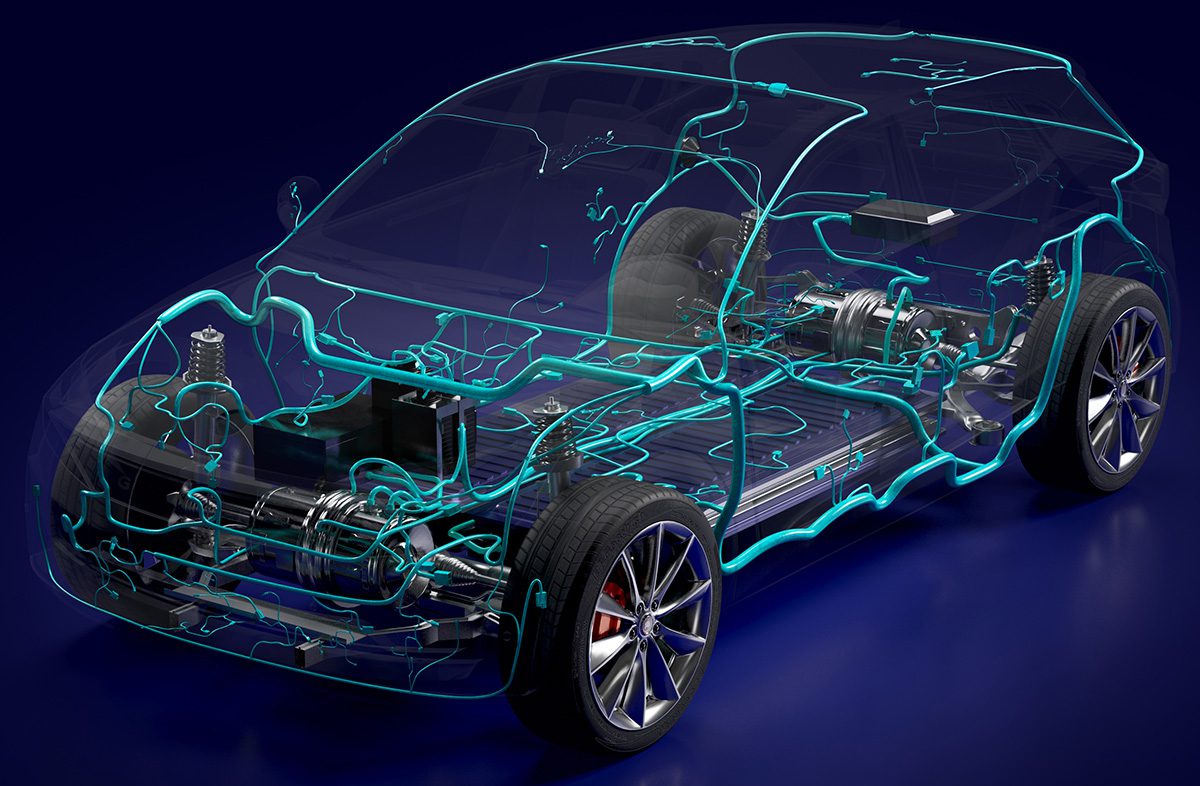
Siemens Digital Industries Software has unveiled significant enhancements to its Capital software, fundamentally transforming the approach to electrical design. The company announced new 3D electrical design capabilities that integrate wiring design and physical harness routing into a singular, model-based environment. This strategic integration is designed to bridge the traditional gap between electrical and mechanical engineering disciplines, fostering unprecedented levels of collaboration and efficiency.

The updated Capital software now operates within a shared 3D context, seamlessly connecting with Siemens’ Designcenter product engineering software and the comprehensive Teamcenter Product Lifecycle Management (PLM) platform. This architectural shift enables electrical and mechanical engineers to work concurrently, sharing the same digital twin of a product. This eliminates the necessity of transferring files between disparate ECAD (Electrical Computer-AAided Design) and MCAD (Mechanical Computer-Aided Design) tools, a process often fraught with potential for errors and delays.
Addressing the Critical Challenge of Late-Stage Conflicts
The primary impetus behind this integration is to tackle a persistent and costly issue prevalent in the development of electrically complex products. Historically, conflicts arising between the intended electrical routing paths and the physical packaging constraints of a product tend to emerge at later stages of the design cycle. By this point, surrounding subsystems and components are often already finalized or “hardened,” making any necessary design modifications exceptionally expensive and time-consuming.
Siemens posits that by providing a shared 3D environment from the outset, the new Capital capabilities render early-resolution of these conflicts operationally feasible. This marks a significant departure from previous scenarios where such early detection was theoretically desirable but practically difficult to achieve. Moving the resolution process upstream in the product development lifecycle can lead to substantial savings in both time and resources, while also mitigating risks associated with redesigns and production delays.

The Power of Concurrent Engineering
The ability for electrical and mechanical engineers to work simultaneously within the same 3D environment marks a paradigm shift towards true concurrent engineering. Traditional workflows often involved sequential hand-offs, where electrical designs were completed and then passed to mechanical teams for physical integration, or vice-versa. This linear approach invariably led to iterative cycles of design, review, and revision, especially when unexpected spatial or interface conflicts arose.
With Siemens Capital software’s new integration, potential clashes or packaging issues can be identified and resolved in real-time. This synchronous collaboration accelerates the design process, reduces errors stemming from outdated information, and ensures that the electrical harness design is optimized for both functionality and physical fit within the product’s mechanical structure. The holistic view fostered by this shared model minimizes the need for costly physical prototypes for early-stage validation.
Integrating Artificial Intelligence for Enhanced Design
Further bolstering its capabilities, the new Capital integration also incorporates AI-assisted harness development. While Siemens has not yet disclosed specific details regarding the precise functionalities or operational mechanisms of this AI component, its inclusion points towards a future where intelligent algorithms will play a pivotal role in optimizing complex electrical designs.
The potential applications of AI in harness development are vast, ranging from automated routing suggestions that consider spatial constraints and performance requirements, to intelligent validation against design rules and manufacturing capabilities. This AI assistance could significantly reduce the manual effort involved in complex wiring and harness layouts, enhance design quality, and further expedite the development cycle, pushing the boundaries of what is possible in electrical engineering.
Expert Validation Underscores Industry Impact
The significance of this development is echoed by industry experts. Chad Jackson, CEO and chief analyst at Lifecycle Insights, provided a clear perspective on the economic implications of design conflicts. “Cross-disciplinary conflicts between electrical and mechanical teams are relatively inexpensive to resolve early and increasingly painful to resolve late,” Jackson stated. His analysis reinforces Siemens’ core assertion regarding the value of early conflict resolution.
Jackson further emphasized that a “shared 3D context that connects electrical and mechanical engineers from the start of harness design is what makes early resolution operationally possible.” This statement highlights that while the desire for early problem-solving has always existed, the technological framework to make it a practical reality has often been lacking. Siemens’ latest integration aims to provide exactly that framework, empowering engineering teams to proactively manage complexities.
Broader Implications for Product Development and Manufacturing
The complexities of modern products, particularly in rapidly evolving sectors like automotive (especially Electric Vehicles, given the context of EV Engineering News), aerospace, and industrial machinery, are continuously escalating. These products rely heavily on intricate electrical systems, often requiring thousands of wires and connections. The ability to manage this complexity efficiently is paramount for competitive advantage.
This integration within the Siemens Capital software ecosystem represents a significant step towards a more holistic and digitalized product development approach. It aligns with the broader industry trend of embracing digital twins and comprehensive PLM solutions, where a complete digital representation of a product, from concept to end-of-life, facilitates better decision-making, faster iterations, and ultimately, superior product quality. By streamlining electrical and mechanical design, manufacturers can reduce time-to-market, minimize rework, and enhance manufacturing efficiency, leading to substantial cost savings and improved profitability.
Siemens’ Vision for Digital Transformation
This announcement reinforces Siemens Digital Industries Software’s commitment to enabling comprehensive digital transformation across various industries. By providing integrated tools that span the entire product lifecycle – from ideation and design through manufacturing and service – Siemens aims to empower companies to innovate faster, optimize resources, and maintain a competitive edge in a global market.
The new Capital capabilities, by fostering unprecedented collaboration between electrical and mechanical domains, are a testament to this vision. They represent a crucial advancement in addressing one of the most persistent bottlenecks in complex product development, paving the way for more efficient, error-free, and cost-effective engineering outcomes for enterprises worldwide.
Frequently Asked Questions (FAQ)
What is the core functionality of Siemens’ new Capital integration?
The new Capital integration unifies wiring design and physical harness routing into a single, model-based 3D environment. It allows electrical and mechanical engineers to work concurrently, sharing a common digital context to design and validate complex electrical systems within a product’s mechanical layout, improving efficiency and reducing design conflicts.
Which Siemens software platforms are involved in this integration?
The integration spans across Siemens Capital software for electrical design, Designcenter for product engineering, and the Teamcenter Product Lifecycle Management (PLM) platform. This interconnected ecosystem ensures a cohesive workflow from electrical schematics to mechanical packaging and overall product data management.
How does this integration address late-stage design conflicts?
By enabling concurrent work in a shared 3D environment, the integration allows potential conflicts between electrical routing and physical packaging constraints to be identified and resolved early in the design process. This proactive approach significantly reduces the expense and difficulty typically associated with resolving such issues discovered late in the product development cycle.
Does the new Capital software feature AI capabilities?
Yes, the updated capabilities include AI-assisted harness development. While Siemens has not yet provided specific details on how these AI functions operate, their inclusion indicates an effort to leverage artificial intelligence for optimizing complex wiring and harness designs, potentially automating tasks and enhancing design quality.
What benefits does concurrent engineering offer through this integration?
Concurrent engineering, facilitated by this integration, allows electrical and mechanical teams to collaborate in real-time. This eliminates sequential hand-offs, reduces errors from disconnected tools, accelerates the design cycle, and ensures optimal integration of electrical components with mechanical structures, leading to faster time-to-market and reduced rework.
What is the significance of the quote from Chad Jackson of Lifecycle Insights?
Chad Jackson’s quote underscores the economic value of early conflict resolution, stating that such issues are “inexpensive to resolve early and increasingly painful to resolve late.” He highlights that a shared 3D context, like that offered by Siemens Capital, makes this early resolution “operationally possible,” validating the core benefit of the new integration.
How does this align with broader industry trends in product development?
This integration aligns with the growing trend towards comprehensive digital transformation and the adoption of digital twins in product development. By unifying previously disparate design processes, Siemens is supporting industries in managing the increasing complexity of modern products, streamlining workflows, and improving overall product quality and efficiency throughout the entire lifecycle.