
Key Takeaways:
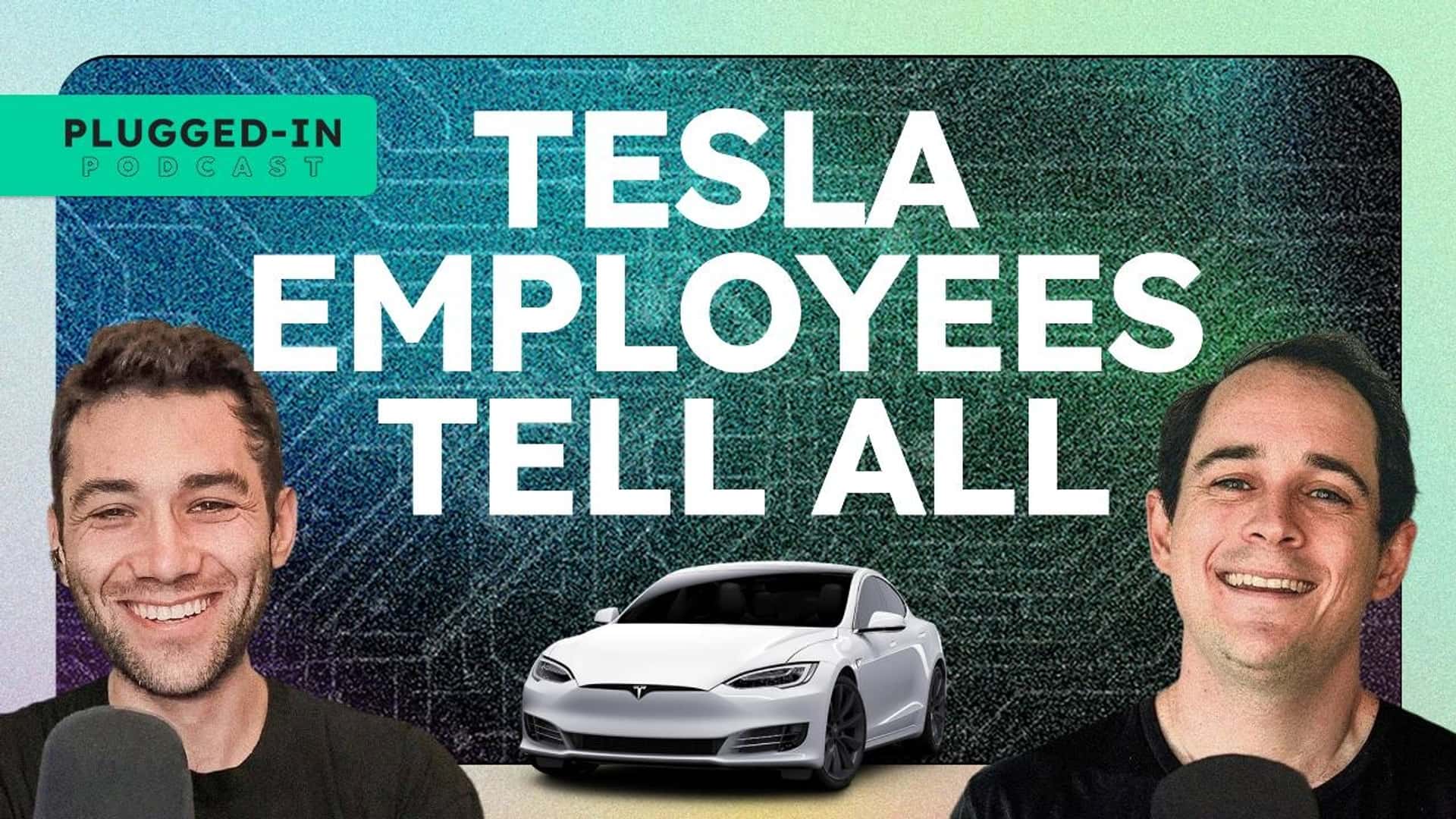
- A recent Reuters investigation revealed significant internal skepticism among former Tesla employees regarding the safety and capabilities of the company’s Full Self-Driving (FSD) system.
- Employees involved in training data labeling expressed profound distrust, with some stating they would not use the software to drive them.
- The report highlights allegations of Tesla manipulating FSD narratives by using incomplete or incomparable data, even when more critical data was available.
- Despite ongoing challenges with advanced driver-assistance systems, the broader electric vehicle (EV) industry is seeing significant progress in fast-charging infrastructure.
- Networks like Rivian Adventure Network and Electrify America, alongside expanded access to Tesla Superchargers, are substantially improving charging reliability and accessibility nationwide.
Internal Doubts Cast Shadow on Tesla’s Full Self-Driving Promises
For nearly a decade, Tesla CEO Elon Musk has consistently projected the imminent arrival of fully autonomous driving capabilities. However, this ambitious timeline has been marked by fatal accidents, substantial legal judgments totaling hundreds of millions of dollars, and the expiration of numerous vehicle leases without the fulfillment of these promises. A recent investigation by Reuters has now offered an unprecedented look into the internal sentiments surrounding Tesla’s Full Self-Driving (FSD) program, revealing a stark contrast between public claims and employee perspectives.
The Reuters report, drawing on interviews with several former Tesla employees, paints a picture of deep-seated skepticism within the ranks of those directly involved in the development of the advanced driver-assistance system. These individuals, who worked on labeling training data crucial for the software’s learning, expressed profound reservations about its real-world capabilities and safety.
Employee Skepticism: A Damning Indictment of FSD Performance
Seven former Tesla employees explicitly stated that they would not trust the current FSD software to drive them autonomously. One former employee underscored this apprehension with a particularly blunt assessment, remarking that they wouldn’t get in a car piloted by FSD “if you fucking paid me.” This level of internal distrust from individuals intimately familiar with the system’s underlying data and performance offers a critical counter-narrative to the company’s public pronouncements.
The Reuters investigation further alleges that Tesla has actively managed the public perception of FSD’s safety. The report suggests instances where the company may have presented a skewed narrative, using data that was either incomplete or not comparable, even when more comprehensive, albeit less favorable, data was accessible. This alleged massaging of information raises questions about the transparency and scientific rigor applied to the development and promotion of Tesla’s Full Self-Driving technology.
The ‘Supervised’ Reality of Tesla FSD
Currently marketed as “FSD (Supervised),” Tesla’s system represents a highly advanced driver-assistance feature rather than a truly autonomous one. While it demonstrates impressive capabilities in specific scenarios, it fundamentally requires constant human supervision. Drivers are expected to remain attentive and ready to take control at all times, a critical distinction from the Level 5 autonomy that Elon Musk has frequently alluded to.
The gap between the promise of full self-driving and the reality of a supervised assistance system continues to be a point of contention for regulators, consumers, and now, evidently, some former employees. The legal ramifications, including the aforementioned lawsuits and ongoing regulatory scrutiny, underscore the significant challenges inherent in developing and deploying such complex artificial intelligence (AI) systems for public use.
Broader Developments in the Electric Vehicle Landscape
While the focus on Tesla’s Full Self-Driving capabilities often garners significant attention, it is crucial to acknowledge broader advancements across the electric vehicle (EV) industry. Beyond the complexities of autonomous driving, tangible progress is being made in areas critical to mainstream EV adoption, particularly in charging infrastructure and vehicle design.
First Impressions of the Ferrari Luce
Beyond the FSD discussion, the latest episode of the Plugged-In Podcast featured an in-depth review of the Ferrari Luce, offering a personal perspective on a vehicle that has generated considerable debate. The podcast host’s firsthand experience, including physically sitting in the car, provided valuable context amidst the prevalent online discourse. This hands-on evaluation served to counter narratives that might have misrepresented the vehicle, highlighting the importance of direct experience over speculation, particularly for those who might compare it mistakenly to a more utilitarian model like a Nissan Leaf.
Significant Strides in America’s Fast-Charging Network
In more universally positive news for the average EV owner, substantial improvements are transforming America’s fast-charging network. A concerted effort by key players in the industry is leading to a more robust and reliable charging experience for electric vehicle drivers across the country.
Rivian, for instance, recently announced a major milestone: its Rivian Adventure Network now boasts over 1,000 DC fast chargers strategically distributed across 148 charging stations. This expansion significantly enhances charging options for Rivian owners and contributes to the overall growth of the public charging infrastructure. Similarly, Electrify America continues its expansion, while even retail giants like Walmart are integrating charging stations into their footprints, signaling a widespread commitment to improving EV accessibility.
The increasing interoperability of charging networks is another pivotal development. The growing trend of most EVs gaining access to Tesla Superchargers, once a proprietary network, has been a game-changer. This broadens the options for non-Tesla EV owners, significantly reducing potential range anxiety and adding a layer of reliability that was previously unparalleled.
Addressing Range Anxiety and Charging Reliability
The public perception of EV charging reliability often lags behind the current reality on the ground. Many who only occasionally review EVs or follow the automotive market without personal EV ownership experience tend to express concerns about the fast-charging network’s dependability. However, for regular EV owners, the experience has notably improved over the past two years.
As an EV owner relying on public fast chargers, the instances of encountering multiple broken stalls or significant charging headaches have become exceedingly rare. The network’s maturity means that as long as one patronizes established charging providers, reliability is generally high. Even during travel across diverse regions, from dense urban areas to the Midwest, consistent and hassle-free charging experiences are becoming the norm.
Minor disruptions, such as a single dispenser being out of service once a year or a payment issue during a major web outage, are comparable to inconveniences experienced at traditional gasoline stations. With an estimated 86% of all EV charging occurring at home, the demand for public chargers is inherently different from that for petrol stations. The critical mass of charging infrastructure required for widespread adoption is rapidly approaching, mitigating the need for as many public charging locations as there are fuel pumps.
The Unseen Progress of the EV Industry
Despite periods where the electric vehicle industry might appear to be encountering public setbacks or a slowdown in certain areas, steady and often invisible progress continues. The advancements in charging technology, network expansion, and vehicle capabilities are consistently moving forward, laying the groundwork for a more robust and accessible EV ecosystem.
The journey towards full autonomy with Tesla’s Full Self-Driving system remains complex and contentious, marked by internal skepticism and regulatory challenges. Yet, concurrently, the broader EV landscape is undergoing a quiet revolution in infrastructure, making electric vehicle ownership increasingly practical and appealing for a growing number of drivers. These dual narratives highlight the dynamic and multifaceted nature of innovation within the automotive sector.
Frequently Asked Questions About Tesla’s Full Self-Driving and EV Charging
What are the primary concerns raised by former Tesla employees about FSD?
Former Tesla employees involved in training data labeling expressed significant distrust in the FSD software, with several stating they would not use it to drive them. Concerns also included allegations that Tesla may have manipulated the narrative around FSD’s safety by using incomplete or incomparable data.
Is Tesla’s Full Self-Driving system fully autonomous?
No, Tesla’s current FSD system is officially labeled “FSD (Supervised).” This means it is an advanced driver-assistance system that requires the driver to remain attentive and ready to take control at all times, making it not truly autonomous in the Level 5 sense.
How has the reliability of EV fast-charging networks improved recently?
The reliability of fast-charging networks has significantly improved due to expansions by companies like Rivian (with over 1,000 DC fast chargers across 148 stations) and Electrify America. Crucially, increased access for most EVs to Tesla Superchargers has also boosted overall network dependability and convenience.
What role do home charging solutions play in EV ownership?
Home charging is paramount for EV owners, with approximately 86% of all charging occurring at home. This significantly reduces reliance on public charging infrastructure for daily needs and contributes to the overall convenience and cost-effectiveness of owning an electric vehicle.
Why is there a perception gap regarding EV charging reliability?
The perception gap often stems from individuals without personal EV ownership experience or those who only occasionally review EVs. Actual EV owners, especially those regularly using fast chargers, report a much higher level of reliability and fewer issues, indicating that public sentiment lags behind the on-the-ground reality.
What does the term E-E-A-T mean in content creation?
E-E-A-T stands for Experience, Expertise, Authoritativeness, and Trustworthiness. These are Google’s guidelines for evaluating the quality of content, emphasizing the importance of demonstrating real-world experience, deep knowledge, credible sourcing, and reliability in published information, particularly for YMYL (Your Money Your Life) topics like automotive safety.
What is the significance of companies like Walmart entering the EV charging space?
The entry of major retailers like Walmart into the EV charging space is significant because it dramatically increases the accessibility of charging options. Integrating chargers into popular retail locations makes charging more convenient for consumers during their regular activities, thereby accelerating broader EV adoption by reducing range anxiety.