
Key Takeaways:
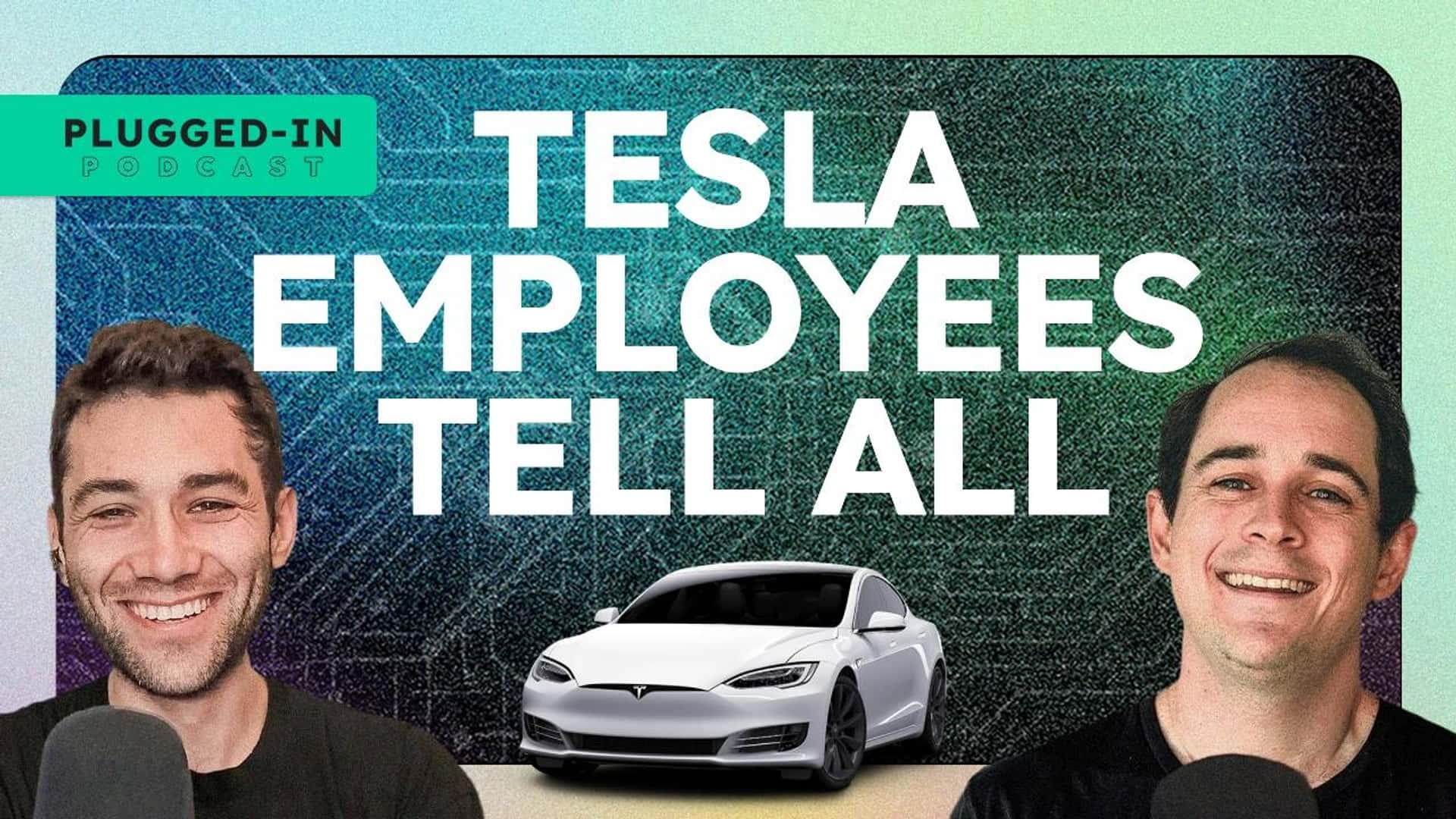
- A recent report from Reuters reveals significant skepticism among former Tesla employees regarding the safety and capabilities of the company’s Full Self-Driving (FSD) system.
- Seven former data labelers stated they would not trust FSD to drive them, with one employee expressing extreme reluctance.
- The report alleges that Tesla has ‘massaged the narrative’ around FSD’s safety by using incomplete or incomparable data.
- Despite CEO Elon Musk’s decade-long promises of full autonomy, FSD (Supervised) remains a sophisticated driver-assistance system, not truly autonomous.
- Conversely, significant progress is noted in the broader electric vehicle (EV) fast-charging infrastructure across the United States, with networks like Rivian Adventure Network and Electrify America expanding rapidly and becoming more reliable.
- Tesla Superchargers increasingly accommodate non-Tesla EVs, contributing to a more robust charging ecosystem.
New Delhi: Tesla’s ambitious Full Self-Driving (FSD) system, a cornerstone of the company’s future vision, is once again facing intense scrutiny following a damning report detailing significant reservations from former employees. Despite a decade of promises from CEO Elon Musk regarding imminent full autonomy, the reality on the ground, according to these former staff members, suggests a system still far from achieving true self-sufficiency.
Over the years, the journey of Tesla’s autonomous driving technology has been fraught with challenges. The period has seen tragic fatal crashes, the payout of hundreds of millions of dollars in lawsuit judgments, and countless vehicle leases commencing and concluding with the core promise of full autonomy persistently unfulfilled. These incidents and the ongoing legal and ethical debates underscore the complex interplay between innovation, safety, and public perception in the realm of advanced driver-assistance systems.
Former Employees Express Deep Distrust in Tesla Full Self-Driving
A recent investigation by Reuters has brought to light a critical internal perspective, revealing the profound skepticism held by individuals directly involved in the development of Tesla’s autonomy efforts. The report cites a number of former Tesla employees who worked on labeling training data for the company’s FSD system.
Seven of these former employees explicitly stated that they would not place their trust in the software to safely operate a vehicle. One former employee conveyed their extreme lack of confidence in stark terms, saying he wouldn’t get in a car piloted by FSD “if you fucking paid me.” Such statements highlight a significant internal disconnect or concern regarding the safety protocols and overall reliability of the system.
This critical report details both the broad strokes and the granular methods through which Tesla has allegedly manipulated the narrative surrounding its autonomous driving technology. It suggests the company has presented FSD as a safe and capable system by employing incomplete or incomparable data, even when more comprehensive, albeit less favorable, data was readily available. This alleged practice raises serious questions about data integrity and transparency in the development of such critical software.
While Tesla’s current FSD (Supervised) system indeed showcases impressive capabilities in various driving scenarios, it is crucial to understand that it remains a sophisticated driver-assistance system. It is distinctly different from a fully autonomous system, which would require no human intervention and could operate safely under all foreseeable conditions. The ‘Supervised’ moniker itself underscores the necessity of continuous driver engagement and readiness to intervene.
Navigating Public Perception and Reality of EV Charging Infrastructure
Beyond the complexities of autonomous driving, the broader electric vehicle (EV) landscape is experiencing a different kind of evolution, particularly concerning the crucial aspect of charging infrastructure. While public discourse often highlights the perceived unreliability and scarcity of charging points, the reality on the ground indicates substantial and consistent improvements.
A significant push is underway to enhance America’s fast-charging network, with major players making concerted efforts. Companies like Rivian, Electrify America, and even retail giants such as Walmart are investing heavily in expanding and improving charging access. These initiatives are gradually transforming the user experience for the average EV owner, mitigating range anxiety and making electric vehicle adoption more practical.
Rivian, for instance, recently announced a significant milestone: its Adventure Network now boasts over 1,000 DC fast chargers strategically distributed across 148 charging stations. This expansion is critical for long-distance travel and ensures more reliable charging options for Rivian owners and, increasingly, other EV brands. Electrify America, another prominent network, has also been steadily expanding its footprint and enhancing charger uptime, directly addressing past criticisms regarding reliability.
The common perception among occasional EV reviewers or those who follow the automotive market without direct EV ownership experience is that the fast-charging network remains unreliable. However, this sentiment often lags behind the actual advancements being made. Many regular EV owners, even those reliant on public charging, report a notably improved experience over the past two years.
In many regions, including heavily populated areas like California and even during travels across the Midwest, the incidence of non-functional chargers has significantly decreased. Most experienced EV drivers now find that as long as they choose a station from a reputable charging network, reliability is generally high, with rare instances of more than one broken stall at a given location.
Tesla Superchargers Open Up, Boosting EV Charging Accessibility
A pivotal development in the quest for a more robust charging ecosystem is the increasing accessibility of Tesla Superchargers. Historically exclusive to Tesla vehicles, most Superchargers now accept a wide array of electric vehicles, irrespective of their brand. This opening of Tesla’s highly regarded network is a game-changer, providing a reliable fallback option for EV owners who might otherwise face challenges with other networks.
While occasional issues can arise, such as a single dispenser malfunction once a year or a payment processing glitch during a major web outage like the nationwide CrowdStrike incident, these occurrences are comparable to minor inconveniences experienced at traditional gasoline stations. As payment systems become more streamlined and the charger infrastructure continues to expand, the reliability of EV charging is rapidly approaching that of conventional fuel stations.
It is also important to consider the fundamental difference in fueling habits between electric vehicles and internal combustion engine (ICE) cars. Approximately 86% of all EV charging takes place at home, usually overnight, significantly reducing the daily reliance on public charging infrastructure. This contrasts sharply with gasoline vehicles, where virtually 0% of refueling occurs at home. Consequently, the sheer number of charging stations does not need to equal the number of gas stations to meet demand.
In conclusion, while the journey towards fully autonomous vehicles like Tesla’s FSD system continues to face significant hurdles and internal skepticism, the broader electric vehicle industry is making substantial, albeit often ‘invisible,’ progress. Improvements in charging infrastructure, coupled with increased accessibility to previously exclusive networks, are steadily enhancing the practicality and convenience of EV ownership, laying a stronger foundation for future electric mobility.
FAQ
Q1: What are the main concerns raised by former Tesla employees about FSD?
Former Tesla employees, specifically data labelers, have expressed deep distrust in the Full Self-Driving system. Several stated they wouldn’t trust FSD to drive them, citing concerns about its safety and reliability. A Reuters report indicates allegations that Tesla’s narrative around FSD safety has been ‘massaged’ using incomplete or incomparable data.
Q2: Has Tesla’s FSD achieved full autonomy?
No, despite nearly a decade of promises from CEO Elon Musk, Tesla’s Full Self-Driving (Supervised) system is not truly autonomous. It is an advanced driver-assistance system that requires constant human supervision and intervention, differentiating it from a fully self-operating vehicle.
Q3: What progress has been made in the EV fast-charging network?
Significant improvements have been made in America’s fast-charging network. Companies like Rivian, Electrify America, and Walmart are expanding their infrastructure. Rivian’s Adventure Network, for instance, now features over 1,000 DC fast chargers across 148 stations, enhancing accessibility and reliability for EV owners.
Q4: Why do some people still perceive EV charging as unreliable?
Public sentiment often lags behind the reality of improvements. While some intermittent issues can occur, the frequency of non-functional chargers has decreased. Many regular EV owners report generally reliable experiences, especially when using reputable networks, contrasting with the often-outdated perceptions of occasional users.
Q5: How has Tesla Supercharger network accessibility changed?
Previously exclusive to Tesla vehicles, most Tesla Superchargers now accommodate a wide range of electric vehicles from other manufacturers. This expansion significantly boosts the overall reliability and convenience of the EV charging infrastructure, offering more options for non-Tesla EV owners across various regions.
Q6: Why aren’t as many EV charging stations needed as gas stations?
Approximately 86% of all EV charging occurs at home, primarily overnight, reducing the daily demand for public charging. This contrasts with gasoline vehicles, which rely almost entirely on public stations. Therefore, fewer charging stations are needed compared to gas stations to meet the energy demands of electric vehicle owners.