
Key Takeaways:
- bp pulse has significantly expanded its U.S. EV charging network, marking a strategic push into critical travel corridors.
- The company launched its first public DC fast charging site in Louisiana, alongside new installations in Texas and Virginia.
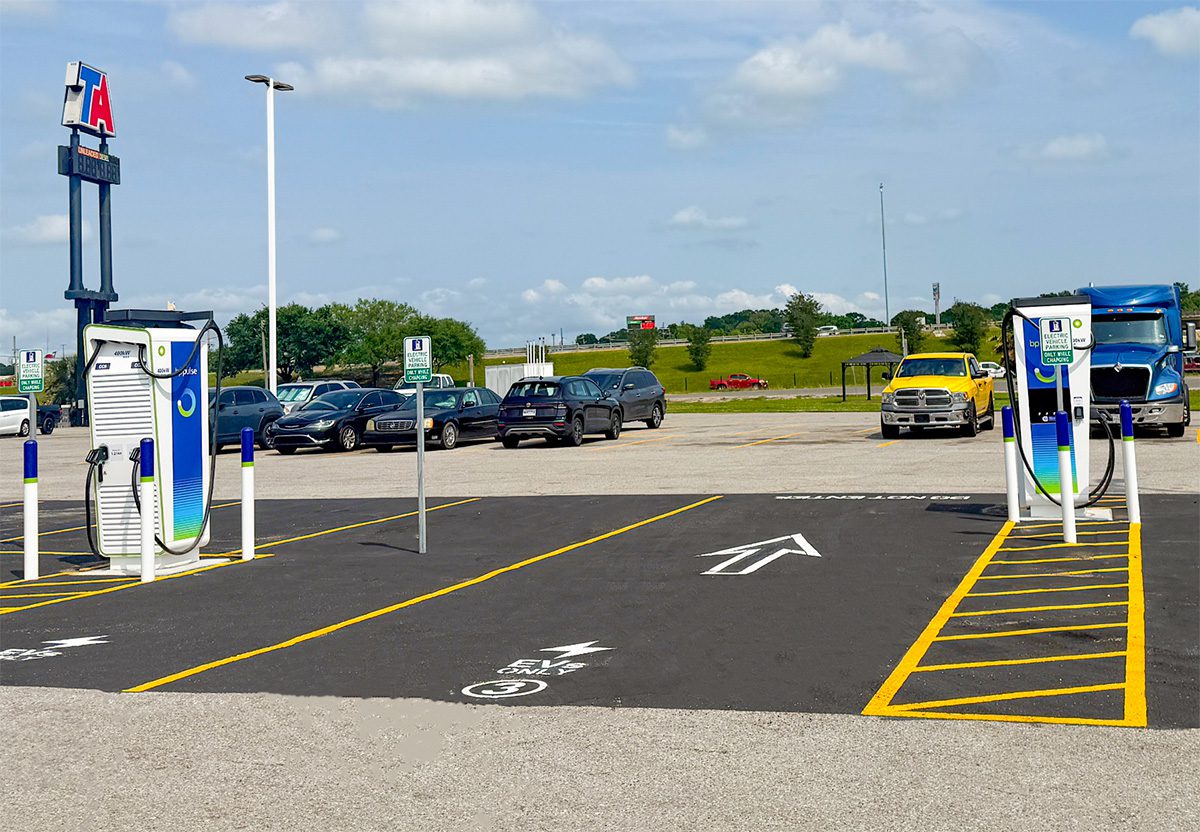
- Each state-of-the-art facility features 12 charging bays, offering ultra-fast speeds up to 400 kW with both CCS and NACS connectors.
- Strategically located at Travel Centers of America (TA) stations, the sites provide essential amenities for long-distance electric vehicle travel.
- This latest expansion aims to alleviate range anxiety and support the growing adoption of electric vehicles across the American landscape.
In a significant stride towards accelerating electric vehicle (EV) adoption and enhancing charging infrastructure across the United States, bp pulse, the dedicated EV charging arm of global energy giant bp, has announced a substantial expansion of its public DC fast charging network. The company recently inaugurated its inaugural site in Louisiana, complementing two additional high-power charging hubs launched in Virginia and Texas.

This strategic move underscores the broader trend among major energy corporations, particularly European-oriented ones, to diversify their portfolios and play a pivotal role in the global energy transition. By investing heavily in EV charging solutions, bp pulse is cementing its commitment to sustainable mobility and addressing the critical need for reliable and accessible charging infrastructure.
Strategic Deployment: Expanding the bp pulse EV Charging Network
The latest additions to the bp pulse EV charging network are meticulously planned to serve high-traffic areas and crucial transportation arteries. Each of the three new sites is designed for optimal convenience and efficiency, catering to the evolving needs of electric vehicle owners.
A cornerstone of this expansion strategy is the collaboration with Travel Centers of America (TA) stations. Locating these advanced charging facilities within established travel centers offers EV drivers more than just a place to power up; it provides a comprehensive suite of amenities that enhance the travel experience. These include readily available travel stores, clean restrooms, ATMs, dedicated pet areas, and diverse restaurant options, transforming a charging stop into a comfortable and convenient break.

Advanced Charging Capabilities for the Modern EV Driver
Each new bp pulse station is equipped with 12 state-of-the-art charging bays, a substantial capacity designed to minimize wait times and ensure availability even during peak travel periods. A key technological highlight is the charging speed, which can reach an impressive 400 kW.
This ultra-fast charging capability significantly reduces the time required for a substantial charge, allowing drivers to get back on the road quicker. Furthermore, the stations offer universal compatibility with both CCS (Combined Charging System) and NACS (North American Charging Standard) connectors, future-proofing the infrastructure and ensuring that a wide range of electric vehicles can access these high-speed services.
Geographic Focus: Connecting Key U.S. Corridors
The geographical placement of these new sites is strategic, targeting major interstate highways that form the backbone of cross-country travel and regional commuting. This focus on critical corridors is essential for alleviating range anxiety and promoting long-distance EV travel.
Louisiana’s Inaugural bp pulse Site
The launch of bp pulse’s first site in Louisiana marks a significant milestone for the state’s EV infrastructure. Situated at exit 266 on I-10 near Slidell, this location is exceptionally convenient for travelers navigating to and from the vibrant city of New Orleans. Its strategic position on this major east-west interstate ensures accessibility for both local drivers and those undertaking longer journeys.
A notable feature of the Slidell location is the inclusion of pull-through and ADA (Americans with Disabilities Act) compliant charging stalls. These thoughtful design elements ensure ease of access for larger vehicles, such as those towing trailers, and provide necessary accommodations for drivers with disabilities, enhancing the inclusivity of the EV charging network.
Bolstering the Texas EV Landscape
Further west along the expansive I-10 corridor, bp pulse has established another crucial EV charging hub near East San Antonio, Texas. Texas, a state known for its vast distances and rapidly growing population, represents a vital market for electric vehicle adoption and infrastructure development.
The addition of this station near a major metropolitan area like San Antonio provides essential charging capabilities for residents and travelers alike. I-10 itself is a transcontinental route, making this site a key link in the national EV charging grid, supporting seamless travel across diverse regions.
Enhancing Connectivity on the Eastern Seaboard
On the East Coast, bp pulse has strategically deployed a new EV charging site at exit 89 on I-95 near North Richmond, Virginia. Interstate 95 is one of the busiest highways in the United States, serving as a critical artery for travel along the entire Eastern Seaboard, connecting major cities from Florida to Maine.
This location near North Richmond is poised to become a vital stop for electric vehicle drivers undertaking long-haul journeys, offering reliable and high-speed charging in a region with consistently high traffic volumes. The ability to quickly and conveniently recharge on such a prominent route is paramount for reducing journey times and improving the overall experience of EV travel.
The Broader Impact of EV Charging Network Expansion
The continuous expansion of the bp pulse EV charging network plays a critical role in fostering widespread electric vehicle adoption. By increasing the density and reliability of fast charging options, these initiatives directly address one of the primary concerns for potential EV buyers: range anxiety.
Accessible and robust charging infrastructure empowers drivers to undertake longer trips with confidence, knowing that high-speed charging is available at convenient intervals. This not only encourages individual consumers to transition to electric vehicles but also supports fleet electrification for businesses and public sector entities.
As governments and industries worldwide push for decarbonization, investments by companies like bp pulse are instrumental in building the necessary foundation for a sustainable transport future. The integration of advanced technology, strategic locations, and comprehensive amenities reflects a deep understanding of driver needs and the logistical challenges of EV infrastructure deployment.
bp pulse’s ongoing commitment to developing a robust and accessible EV charging network across the United States is a testament to the evolving energy landscape. As the demand for electric vehicles continues to surge, such expansions are not just about adding charging points, but about building an ecosystem that supports a cleaner, more sustainable future of mobility.
Source: bp pulse
Frequently Asked Questions About bp pulse EV Charging Network Expansion
What is bp pulse’s role in the EV charging market?
bp pulse is the dedicated electric vehicle charging business of bp, a major global energy company. Its role involves developing, installing, and operating a network of public and private charging solutions, including high-speed DC fast chargers, to support the global transition to electric mobility and decarbonize transport.
Where are the new bp pulse EV charging stations located?
bp pulse has launched new DC fast charging sites in three key U.S. states. These include its first site in Louisiana (near Slidell on I-10), an additional site in Texas (near East San Antonio on I-10), and another in Virginia (near North Richmond on I-95).
What charging speeds do the new bp pulse stations offer?
Each of the newly opened bp pulse EV charging stations is equipped to deliver ultra-fast charging speeds of up to 400 kW. This high power output significantly reduces charging times, allowing electric vehicle drivers to rapidly replenish their battery and continue their journeys efficiently.
What types of connectors are available at these new stations?
The new bp pulse charging sites are designed for broad compatibility, offering both CCS (Combined Charging System) and NACS (North American Charging Standard) connectors. This ensures that a wide array of electric vehicle models can utilize the high-speed charging services, accommodating various manufacturers’ standards.
What amenities are available at the bp pulse charging sites?
All three new bp pulse charging sites are strategically located at Travel Centers of America (TA) stations. This integration provides EV drivers with access to a range of amenities including travel stores, clean restrooms, ATMs, dedicated pet areas, and various restaurant options, enhancing convenience during charging stops.
How does this expansion impact EV drivers?
This expansion significantly benefits EV drivers by increasing the availability of reliable, high-speed DC fast charging along major interstate corridors. It helps alleviate range anxiety, facilitates longer-distance travel, and provides a more convenient and comprehensive travel experience by integrating charging with essential roadside services.
Why are traditional energy companies like bp investing in EV charging?
Traditional energy companies like bp are investing in EV charging as part of their broader energy transition strategies. This diversification reflects a commitment to sustainable mobility, anticipating the shift from fossil fuels to electric power. By building robust EV charging networks, they aim to remain key players in the future energy landscape and meet evolving consumer demands.