
Key Takeaways:
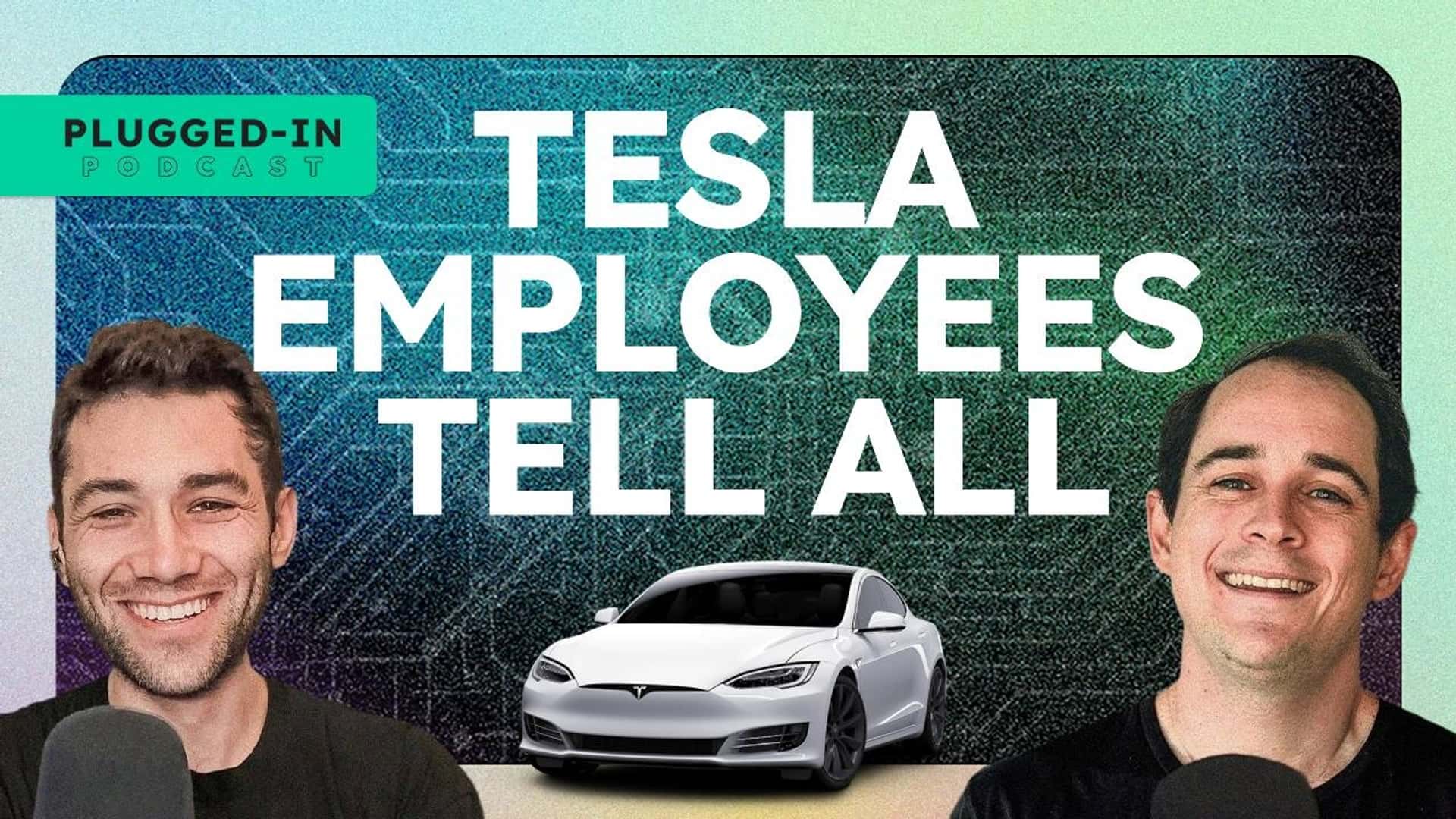
- A recent Reuters investigation highlights significant internal skepticism among former Tesla employees regarding the safety and readiness of the company’s Full Self-Driving (FSD) software.
- Seven former data labelers expressed profound distrust in the system, with one emphatically stating they would not use FSD even if compensated.
- These revelations come as Tesla CEO Elon Musk’s decade-long promises of imminent full autonomy remain unfulfilled, despite fatal crashes and substantial legal settlements.
- While Tesla FSD (Supervised) demonstrates advanced capabilities, it is not a fully autonomous system, requiring constant driver vigilance.
- Concurrently, significant advancements in the American EV fast-charging network, led by companies like Rivian, Electrify America, and Walmart, are steadily improving reliability and accessibility for electric vehicle owners.
- Public perception of EV charging reliability often lags behind the on-the-ground improvements, with many modern stations now comparable to traditional fuel stations in dependability.
NEW DELHI: Tesla’s ambitious pursuit of full self-driving capabilities, embodied in its Full Self-Driving (FSD) software, has long been a subject of intense scrutiny and high expectations. For nearly a decade, CEO Elon Musk has consistently projected the imminent arrival of truly autonomous vehicles. However, a recent investigative report from Reuters casts a stark light on the internal perceptions within Tesla regarding the readiness and reliability of this advanced technology.
The report details a significant disconnect between the company’s public narrative and the private sentiments of former employees directly involved in the development of Tesla FSD. This internal skepticism raises critical questions about the software’s current state and the path forward for autonomous driving technology.
Internal Doubts Emerge Over Tesla FSD Safety
The Reuters investigation brought to light candid testimonies from a cohort of former Tesla employees who were instrumental in labeling training data for the company’s autonomous efforts. Their collective insights paint a concerning picture of the software’s capabilities, diverging sharply from the often-optimistic public pronouncements.
According to the report, seven of these former data labelers explicitly stated they would not place their trust in the Tesla FSD software to operate a vehicle autonomously. One individual’s sentiment was particularly striking, asserting they wouldn’t get in a car piloted by FSD “if you fucking paid me.” Such strong expressions of apprehension from those intimately familiar with the system underscore the challenges in achieving true, uncompromised autonomy.
These employee testimonies arrive amidst a history marred by fatal crashes linked to Tesla’s driver-assistance features and hundreds of millions of dollars in lawsuit judgments. These incidents and legal outcomes have continuously questioned the safety and ethical implications of deploying such advanced yet unproven technology on public roads.
The Narrative Under Scrutiny
The Reuters report further alleges that Tesla has, at times, massaged the narrative surrounding its Tesla FSD technology. This alleged manipulation involved presenting the software as safe using data that was either incomplete or not directly comparable, even when more comprehensive, albeit less flattering, data was available internally.
Such practices, if substantiated, could erode public trust and heighten regulatory scrutiny. The pursuit of autonomous driving requires not only technological breakthroughs but also an unwavering commitment to transparency and stringent safety validation, especially given the high stakes involved in human lives.
Understanding Tesla FSD (Supervised)
It is crucial to distinguish between the promise of full autonomy and the current state of Tesla FSD. The system currently offered to consumers is officially termed FSD (Supervised). This designation itself implies a critical caveat: the driver remains ultimately responsible and must maintain constant vigilance, ready to intervene at any moment.
While FSD (Supervised) is undoubtedly an impressive advanced driver-assistance system, demonstrating sophisticated capabilities in various driving scenarios, it is unequivocally not a fully autonomous Level 5 system. Level 5 autonomy would imply a vehicle capable of navigating all road conditions without any human intervention whatsoever.
The gap between advanced driver-assistance and true full self-driving is substantial, involving complex challenges in perception, decision-making, and unpredictable real-world scenarios that even sophisticated AI models struggle to consistently master. The current system requires a human driver to supervise its operation, highlighting that the technology is still in a developmental phase, requiring human oversight for safety.
Beyond Autonomy: The Ferrari Luce and EV Design Discourse
Shifting focus from the intricacies of autonomous driving, the broader electric vehicle landscape also features discussions around design and innovation. The recent unveiling of the Ferrari Luce, for instance, has generated considerable discourse within automotive circles.
While some critics have drawn comparisons to less exotic electric vehicles, generating what has been termed ‘dunking and discourse,’ firsthand experiences often reveal a different perspective. One observer who physically interacted with the vehicle noted that those likening the Luce to a Nissan Leaf might be taken aback by its actual presence and design in person.
This highlights how photographs and initial impressions can sometimes misrepresent the tactile and experiential qualities of a vehicle, particularly when it comes to high-performance or avant-garde designs. Personal engagement with such vehicles often provides a more nuanced understanding of their aesthetic and engineering intentions.
Significant Progress in America’s Fast-Charging Network
In more encouraging news for the average electric vehicle owner, America’s fast-charging network is undergoing substantial improvements. A concerted effort from various industry players is steadily enhancing the accessibility and reliability of EV charging infrastructure across the nation.
Companies like Rivian, Electrify America, and even retail giant Walmart are actively contributing to this expansion. Rivian, for example, recently announced a significant milestone, confirming that its Adventure Network now comprises over 1,000 DC fast chargers distributed across 148 charging stations. This expansion is critical for alleviating ‘range anxiety’ and encouraging broader EV adoption.
Electrify America continues to grow its extensive network, while Walmart’s initiatives to integrate charging stations at its numerous locations are bringing convenience to a vast consumer base. These developments collectively contribute to a more robust and user-friendly ecosystem for electric vehicles.
Evolving Public Perception of Charging Reliability
Despite these tangible advancements, public sentiment regarding the reliability of the fast-charging network often lags behind the reality on the ground. Many individuals, especially those with limited direct experience with electric vehicles, continue to express concerns about charging infrastructure outages and availability.
However, firsthand accounts from long-term EV owners suggest a different narrative. Experiences across various regions, including congested urban areas like California and more expansive routes in the Midwest, indicate a marked improvement in charger functionality and availability over the past two years.
Instances of multiple broken stalls at a single charging station have become increasingly rare. This enhanced reliability means that many EV owners no longer feel the need to meticulously scrutinize reviews or worry excessively about the functionality of a station from a reputable charging network.
Tesla Superchargers and Reduced Range Anxiety
A significant factor contributing to this improved reliability is the increasing accessibility of Tesla Superchargers to non-Tesla electric vehicles. Most Supercharger stations now accommodate a wide array of EVs, offering a highly reliable fallback option for drivers concerned about availability or functionality elsewhere.
Isolated issues, such as a single dispenser malfunction once a year or a payment processing glitch during a widespread web outage (like the 24-hour CrowdStrike incident affecting Ioniq 5 XRT testers at Superchargers), are now akin to minor inconveniences occasionally encountered at traditional petrol stations. These are not indicative of systemic failures but rather intermittent operational challenges.
With refined payment systems and continued build-out of infrastructure, EV charging stations are rapidly approaching the level of reliability commuters expect from conventional fuel stops. Moreover, the fact that approximately 86% of all electric vehicle charging occurs at home further reduces the overall demand on public fast-charging networks, contrasting sharply with gasoline vehicles that rely almost exclusively on external stations.
Conclusion: Navigating Progress and Persistent Challenges
The current landscape of electric vehicle technology presents a dichotomy of significant advancements and persistent challenges. While the vision of fully autonomous driving, particularly concerning Tesla FSD, faces considerable internal skepticism and external scrutiny, the foundational infrastructure for electric vehicles continues its quiet, yet impactful, evolution.
The strides made in expanding and enhancing America’s fast-charging network signify a substantial improvement in the daily lives of EV owners, even as the industry navigates complex technological hurdles. These dual narratives underscore that while high-profile ambitions capture headlines, steady, incremental progress often defines the true trajectory of technological adoption and societal change.
Frequently Asked Questions (FAQ)
What is Tesla FSD (Full Self-Driving)?
Tesla FSD is an advanced driver-assistance system that enables a Tesla vehicle to navigate and drive itself under human supervision. Despite its name, it is not a fully autonomous system and requires the driver to remain attentive and ready to intervene at all times. It offers features like automatic lane changes, navigation on Autopilot, and traffic light and stop sign control.
Why are former Tesla employees skeptical about FSD?
Former Tesla employees involved in training data labeling have expressed skepticism due to their intimate knowledge of the system’s limitations and challenges. Their concerns, highlighted by a Reuters report, suggest a belief that the software is not yet robust enough for full autonomy, diverging from public claims about its capabilities and safety.
What is the difference between FSD (Supervised) and true full autonomy?
FSD (Supervised) is a Level 2 driver-assistance system, meaning the driver must constantly monitor the road and be prepared to take over. True full autonomy, or Level 5, implies the vehicle can perform all driving tasks in all conditions without any human intervention, a state that Tesla FSD has not yet achieved.
How is the EV fast-charging network improving?
The EV fast-charging network is seeing significant expansion and reliability improvements. Companies like Rivian, Electrify America, and Walmart are adding numerous DC fast chargers. Additionally, many Tesla Superchargers are now accessible to other EV brands, significantly boosting available charging options and reducing reliability concerns for electric vehicle owners.
Is public perception of EV charging reliability accurate?
Public perception often lags behind the actual improvements in EV charging reliability. While initial charging infrastructure faced challenges, many modern fast-charging stations are now highly reliable, comparable to traditional gas stations. Personal experiences from long-term EV owners indicate fewer issues, with 86% of charging typically occurring at home.
What is the significance of the Ferrari Luce’s design discourse?
The Ferrari Luce’s design discourse highlights how initial visual impressions can differ from in-person experiences. Some critics made unfavorable comparisons to other EVs based on images. However, direct interaction often provides a more complete understanding of its design philosophy and aesthetic, challenging preconceived notions about its appearance and intent.