
Key Takeaways: Your Tesla Model Y Buying Guide at a Glance
- The Tesla Model Y has undergone numerous subtle, yet significant, changes across its model years from 2020 to the anticipated 2026 ‘Juniper’ refresh.
- Early 2020 models offered a premium interior but lacked a heated steering wheel, while later 2021 builds introduced a matte console and heated steering but lost passenger lumbar support.
- 2022 saw the introduction of 4680 cells in the Standard Range AWD, noted for slower charging, alongside interior updates and an optional ‘comfort suspension’.
- The 2023 Model Y brought Hardware 4, essential for the latest Full Self-Driving capabilities, and a software-lockable Standard Range battery offering potential range upgrades.
- Deciding on the best Tesla Model Y depends heavily on individual priorities, including budget, desired features, ride comfort, and future-proofing for advanced driver-assistance systems.
Since its launch, the Tesla Model Y has consistently been a frontrunner in the electric SUV market, captivating buyers with its blend of performance, technology, and utility. However, for prospective owners embarking on their Tesla Model Y buying guide journey, the choice of which model year to acquire is far from straightforward. Unlike traditional automotive refreshes that adhere to strict annual cycles, Tesla has implemented a continuous improvement model, leading to a surprising number of small yet impactful changes year-over-year, and even within the same production year.
This dynamic approach means that each iteration of the Model Y possesses distinct characteristics, making a detailed comparison essential for informed decision-making. From interior amenities and battery technology to advanced hardware and suspension tuning, understanding these evolutionary steps is crucial for anyone seeking to find the ideal Model Y to suit their needs and budget.

The Evolving Landscape of the Tesla Model Y
Tesla’s strategy of iterative updates, often rolled out mid-year or without formal announcement, presents a unique challenge for consumers. While a major ‘Juniper’ refresh is anticipated, the journey from the initial 2020 release to the present has been marked by a series of significant, albeit subtle, modifications. These changes encompass various aspects of the vehicle, including cabin comfort, range capabilities, charging performance, and the underlying hardware supporting its advanced driver-assistance systems.
To provide a comprehensive Tesla Model Y buying guide, insights from dedicated EV enthusiasts and long-term owners prove invaluable. Expert analysis, such as that presented by Andrew Lambrecht on the Ever YouTube channel, meticulously details these nuanced differences, offering a granular perspective often overlooked in standard reviews. This deep dive reveals that the ‘best’ Model Y is not a universal truth but rather a personal preference, tailored by specific desires for features, performance, and value.
Deep Dive into Model Year Specifics for Your Tesla Model Y Buying Guide
2020: The Inaugural Offering and Premium Touches
The original 2020 Tesla Model Y models were introduced with a strong emphasis on premium features. All vehicles from this initial production run were equipped with what was termed a ‘premium interior.’ This included heated seats for both the front and rear rows, alongside a sophisticated 15-speaker sound system designed to deliver an immersive audio experience.

However, these early models also had distinct characteristics that buyers should be aware of. They notably lacked a heated steering wheel, a feature that would become standard in later years. The center console was finished in a glossy black plastic, a design choice that proved divisive among owners due to its propensity for showing fingerprints and scratches. Furthermore, a notable difference emerged within the 2020 production itself: early builds featured single-pane windows, while later variants transitioned to dual-pane glass, offering improved cabin quietness and thermal insulation.
2021: Enhancements and Range Optimisation
The 2021 model year brought a series of refinements to the Tesla Model Y, primarily focusing on range improvements and interior upgrades. Many 2021 models saw a slight increase in their overall driving range, a perpetual desire among electric vehicle enthusiasts. This year also witnessed the brief introduction of a Standard Range version, which, despite its short-lived availability (lasting approximately one month), offered a more accessible entry point to the Model Y lineup.
Interior updates were also a highlight for the 2021 Model Y. The glossy black center console was replaced with a more contemporary matte finish, addressing aesthetic and practical concerns of earlier models. Crucially, a heated steering wheel became a standard feature, enhancing cold-weather comfort. However, a significant change that buyers must note is that later 2021 builds began to omit passenger lumbar support, a feature present in earlier models that some occupants might find essential for long-distance comfort.
2022: Battery Innovation and Ride Comfort Adjustments
The 2022 Tesla Model Y introduced several noteworthy changes, particularly in battery technology and suspension. This year marked the debut of the Standard Range All-Wheel Drive variant, which notably incorporated Tesla’s long-awaited 4680 battery cells. While the introduction of these new cells was a significant technological milestone, observations from experts like Andrew Lambrecht indicated potential drawbacks. Specifically, these models reportedly exhibited unusually slow charging speeds for a Tesla, with rates dipping below 100 kW after reaching approximately 30% state of charge. This characteristic is a critical consideration for those relying on rapid charging infrastructure.
Beyond battery advancements, the 2022 Model Y also saw continued interior refinements, including the addition of wood trim on the door cards for a more upscale feel. Furthermore, manual backup releases were integrated for the rear doors, enhancing safety. Significantly, some 2022 models were equipped with a ‘comfort suspension,’ an attempt by Tesla to address persistent feedback regarding the Model Y’s typically stiff ride. This variation in suspension setup means potential buyers should inquire about this feature if ride quality is a priority.
2023: Full Self-Driving Readiness and Software-Defined Flexibility
The 2023 model year represented a pivotal point for the Tesla Model Y, particularly concerning its technological infrastructure for advanced driver-assistance systems. This was the year that Teslas began receiving Hardware 4 (HW4), an upgraded computing platform essential for running the latest and most advanced versions of Full Self-Driving (FSD) software. For buyers prioritizing cutting-edge autonomous capabilities and future-proofing their vehicle, a 2023 Model Y with HW4 is a significant advantage.
Another intriguing development in 2023 was the introduction of a Standard Range option that, in some cases, shared the same physical battery pack as its longer-range counterparts. The difference lay in a software lock, meaning these vehicles could potentially unlock up to 50 additional miles of range by paying an extra fee to Tesla. This ‘sleeper deal’ characteristic offers a unique value proposition, allowing owners to upgrade their range on demand, effectively making these models a potentially cost-effective way to achieve greater flexibility.
2024 & 2025: Incremental Refinements Before the Next Big Leap
The 2024 and 2025 model years of the Tesla Model Y generally continued Tesla’s pattern of making smaller, incremental updates. These years served as a bridge, incorporating minor enhancements in software, efficiency, and perhaps subtle material tweaks within the cabin, often without major fanfare. While not revolutionary, these continuous improvements contribute to the overall refinement and maturity of the vehicle.
For a detailed Tesla Model Y buying guide, it is important to acknowledge that even in these ‘transitional’ years, Tesla’s commitment to ongoing development means that even month-to-month production changes could introduce minor variations in features or components. Buyers interested in these specific years should consult the latest available information or vehicle-specific build sheets to understand any nuances.
2026: The Anticipated ‘Juniper’ Overhaul
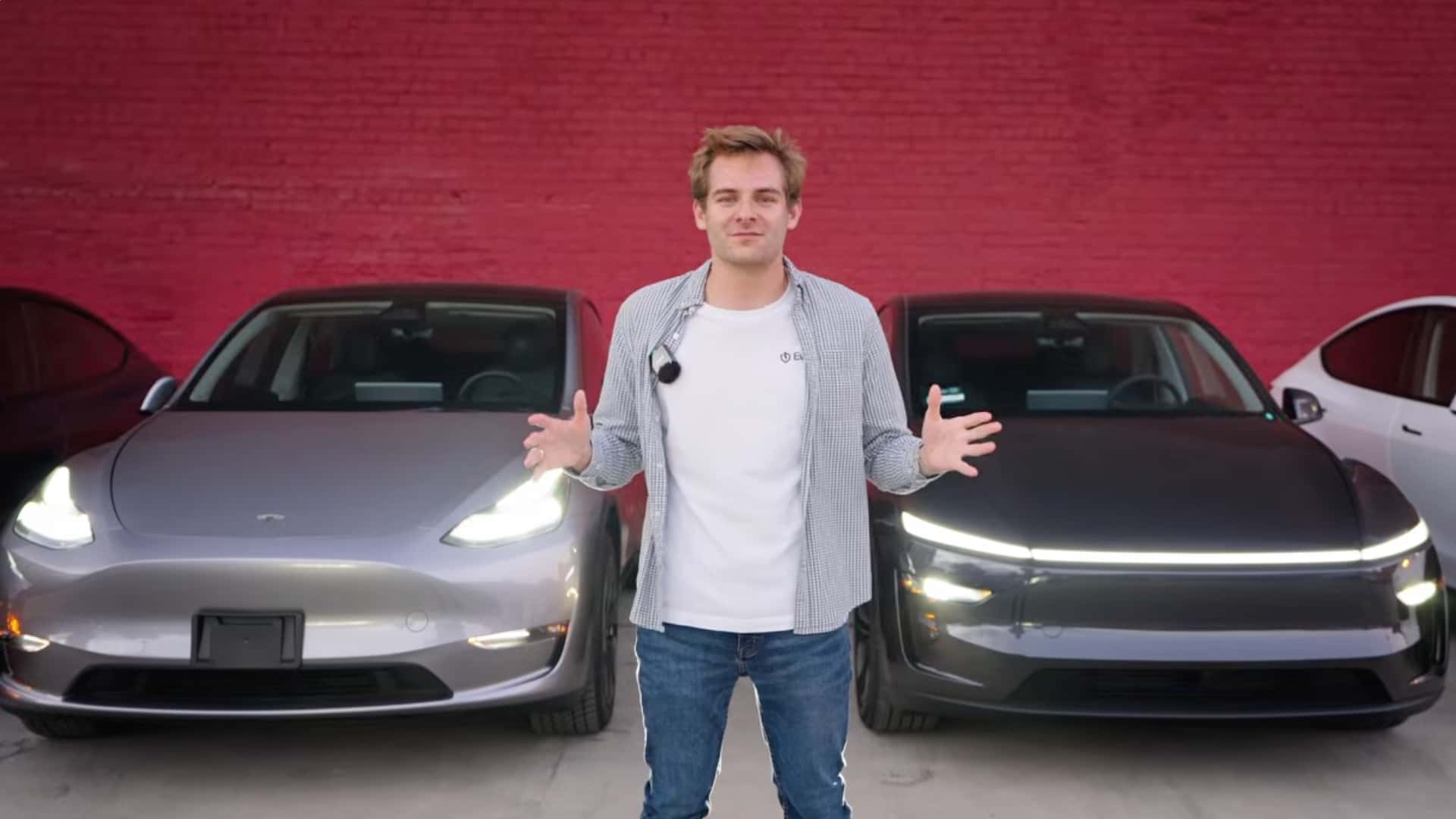
Looking ahead, the 2026 model year is slated to bring a much-anticipated and comprehensive overhaul, often referred to as the ‘Juniper’ refresh. This update is expected to be more than just incremental, signaling a significant evolution for the Model Y. Initial reports and expectations suggest a redesigned front and rear fascia, incorporating modern light bars consistent with Tesla’s evolving design language.
Beyond cosmetic enhancements, the ‘Juniper’ refresh is also expected to standardize dual-pane windows across all variants, further improving cabin acoustics and comfort. While specific details about the full suite of changes remain under wraps, this major refresh is anticipated to introduce a host of technological, efficiency, and comfort improvements, making the 2026 Model Y a potentially compelling option for those willing to wait for the latest iteration in this Tesla Model Y buying guide.
Factors to Consider in Your Tesla Model Y Buying Guide
Choosing the ‘best’ Tesla Model Y requires a careful assessment of individual priorities. Budget constraints will naturally steer decisions, with older models often presenting better value on the used market. However, weighing this against the desire for newer features, enhanced efficiency, or advanced hardware is critical.
For instance, if ride comfort is paramount, seeking out a 2022 model with the ‘comfort suspension’ might be a specific aim. Conversely, if you intend to fully utilize Tesla’s Full Self-Driving capabilities in the long term, a 2023 Model Y with Hardware 4 becomes a more attractive proposition. Similarly, those who prioritize a quiet cabin might lean towards models with dual-pane windows, regardless of the year.
Conclusion
The journey through the various iterations of the Tesla Model Y reveals a vehicle in constant evolution. Tesla’s approach of continuous updates, while challenging for a definitive Tesla Model Y buying guide, also offers a rich tapestry of options for consumers. From the foundational 2020 models to the highly anticipated 2026 ‘Juniper’ refresh, each year presents a unique blend of features, performance characteristics, and technological advancements.
Ultimately, the optimal Model Y for any buyer is one that aligns perfectly with their specific driving needs, feature preferences, and budget. By carefully considering the nuanced differences outlined across these model years, prospective owners can confidently navigate the market and select a Tesla Model Y that truly meets their expectations.
FAQ: Your Tesla Model Y Buying Guide Questions Answered
What are the main differences between early and later Tesla Model Y models?
Early 2020 Model Ys featured a premium interior with heated seats but a glossy black console and single-pane windows. Later models introduced dual-pane windows, a matte console, and heated steering wheels but sometimes omitted passenger lumbar support, demonstrating Tesla’s continuous, subtle evolution.
Is the ‘comfort suspension’ feature significant in a Tesla Model Y?
Yes, the ‘comfort suspension,’ introduced in some 2022 Model Ys, is significant for buyers prioritizing ride quality. The Model Y is often noted for a stiff ride, so this specific suspension tuning could provide a noticeably smoother driving experience, especially on varied road surfaces.
Why is Hardware 4 important for a Tesla Model Y buyer?
Hardware 4 (HW4), available in 2023 and later Model Ys, is crucial for buyers interested in the most advanced Full Self-Driving capabilities. It provides enhanced processing power and improved sensor resolution, which are essential for running the latest FSD software versions and future-proofing the vehicle’s autonomous features.
Can I unlock more range on certain Tesla Model Y models?
Yes, some 2023 Standard Range Model Ys were equipped with larger battery packs that are software-locked to a lower range. Owners of these specific vehicles can pay Tesla a fee to unlock approximately 50 additional miles of range, offering a flexible upgrade option post-purchase.
What should I know about the 4680 battery cells in the 2022 Model Y?
The 2022 Standard Range All-Wheel Drive Model Y introduced 4680 battery cells. While innovative, these models have been noted for unusually slow charging speeds, often dipping below 100 kW after reaching about 30% state of charge. This is a key consideration for frequent supercharging users in this Tesla Model Y buying guide.
What is the ‘Juniper’ refresh for the Tesla Model Y?
The ‘Juniper’ refresh refers to an anticipated comprehensive overhaul for the Tesla Model Y, expected around the 2026 model year. This update is projected to include significant exterior redesigns, such as new front and rear ends with light bars, and interior enhancements like standardized dual-pane windows for improved cabin quietness and comfort.
Which Tesla Model Y year is best for used car buyers?
The ‘best’ used Tesla Model Y year depends on individual priorities and budget. Early 2020 models offer premium interiors but lack a heated steering wheel. Newer 2023 models with Hardware 4 are ideal for FSD, while 2022 models with ‘comfort suspension’ appeal to those seeking a softer ride. Evaluate features against cost for your Tesla Model Y buying guide.