
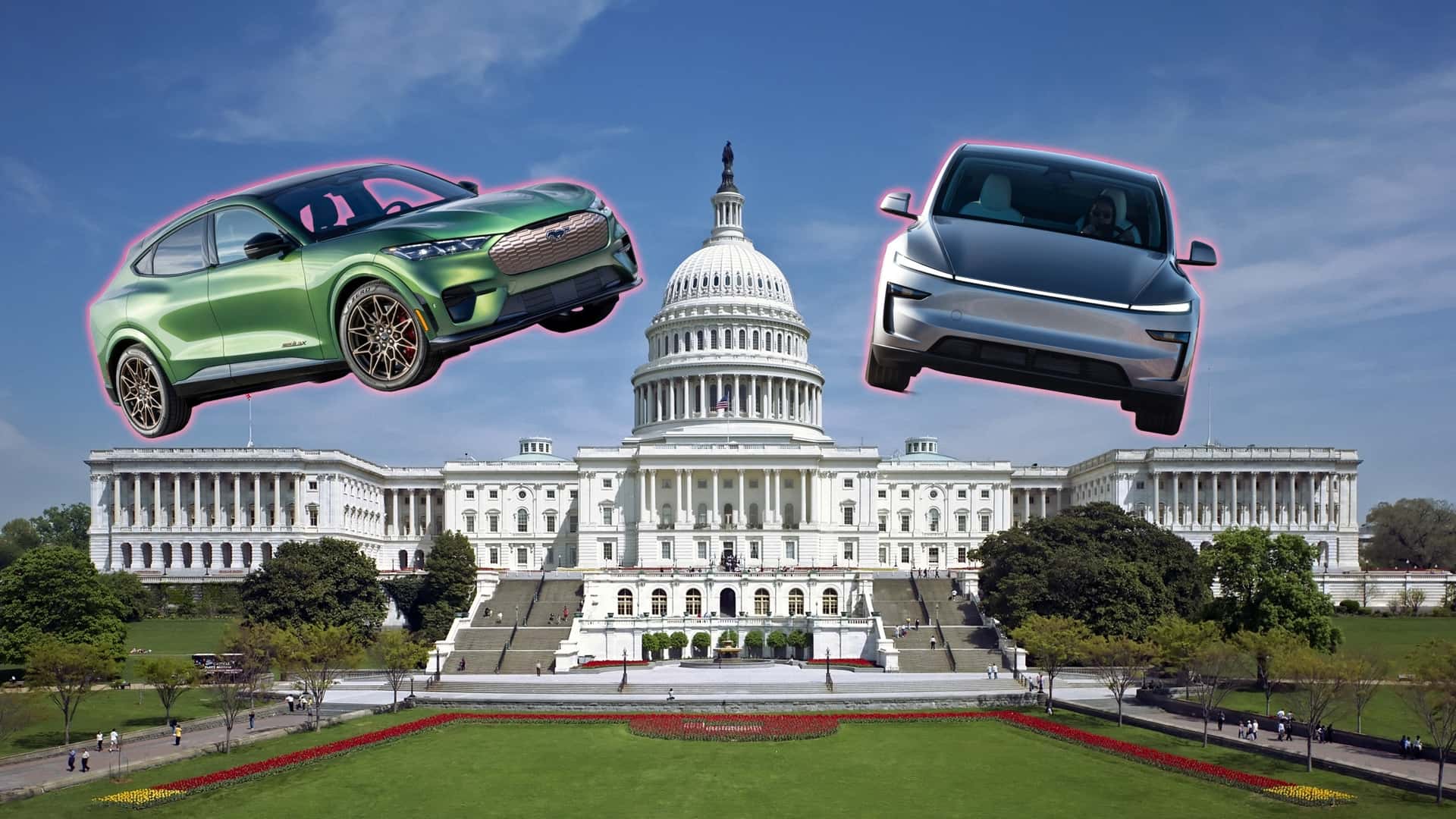
Congress Moves to End $7,500 EV Tax Credit, Sparking Industry Concern
The electric vehicle sector faces a significant hurdle as lawmakers introduce legislation that could phase out crucial federal tax incentives.
The U.S. House of Representatives has taken a significant step toward potentially eliminating the popular $7,500 federal tax credit for new electric vehicles. A bill introduced by the House Ways and Means Committee on Monday proposes to phase out these credits after 2026. Additionally, the $4,000 tax credit for used clean vehicles is slated to be discontinued by the end of this year.
While the new vehicle credit would technically remain available until 2026, a critical provision would disqualify manufacturers who have sold over 200,000 qualifying vehicles. Considering that stringent sourcing requirements have already narrowed the field of eligible vehicles, and major automakers like Ford, GM, and Tesla have surpassed this cap, this change effectively signals the end of the tax credit for the majority of consumers and lessees.

This development comes amidst a challenging period for the electric vehicle industry. Companies have been grappling with slower-than-anticipated demand, and the recent introduction of 25% import tariffs has delivered another significant blow. Many EVs, often built outside the U.S. to manage costs and potentially operate at lower margins or losses for legacy manufacturers, now face this additional tariff. Coupled with potential parts tariffs and the looming expiration of the federal tax credit, the economic landscape for EVs is becoming increasingly difficult.
The push to end these credits aligns with President Donald Trump’s stated opposition to EV mandates and his promise to dismantle such incentives. While lawmakers in states with significant EV manufacturing investments have voiced concerns, the current Republican majorities in Congress and the political climate suggest a challenging future for these tax credits.
Al Gore, Executive Director of the Zero Emission Transportation Association, expressed concern, stating, “The U.S. battery and mineral supply chain — and the fast-growing EV manufacturing industry it feeds into — has created more than 240,000 jobs in every corner of the United States. Businesses throughout the auto industry, from critical mineral and material developers to battery manufacturers and automakers, are making investments supported by the certainty offered by our federal government. In turn, these investments are creating new economic opportunities in local communities, from Reno, Nevada, to Casa Grande, Arizona, to Savannah, Georgia.”

Despite the legislative action, the bill’s passage is not guaranteed. It must clear both houses of Congress, and the Senate could present a more formidable challenge, where even a few dissenting votes from representatives of car-producing states could derail the proposal. Nonetheless, this represents the most substantial move yet towards dismantling the EV tax credit program.
The article also raises questions about the use of taxpayer funds to subsidize EVs manufactured in countries like Mexico or Canada, which currently qualify for the credit under trade agreements. However, it notes the irony that the previous Trump administration was instrumental in negotiating the free-trade deal that enables this. The piece emphasizes the need for stability and clarity in regulatory and trade policies, which are crucial for automakers to make long-term investment decisions and develop affordable, competitive EVs.
In a year already marked by downward pressure on EV sales, the potential removal of these credits could exacerbate the situation. While the article acknowledges the positive consumer experience and growing loyalty among EV owners, it concludes that the widespread adoption of electric vehicles may simply take longer than anticipated.
Key Takeaways:
- A new bill introduced in the U.S. House of Representatives aims to phase out federal EV tax credits after 2026.
- The tax credit for used EVs is set to expire by the end of the current year.
- A provision limiting credits to manufacturers selling fewer than 200,000 vehicles could render the new EV credit ineffective for most buyers soon after its introduction.
- President Trump is expected to sign such legislation if it passes both houses of Congress.
- Industry advocates warn of significant job losses and reduced investment due to the potential loss of these incentives.