
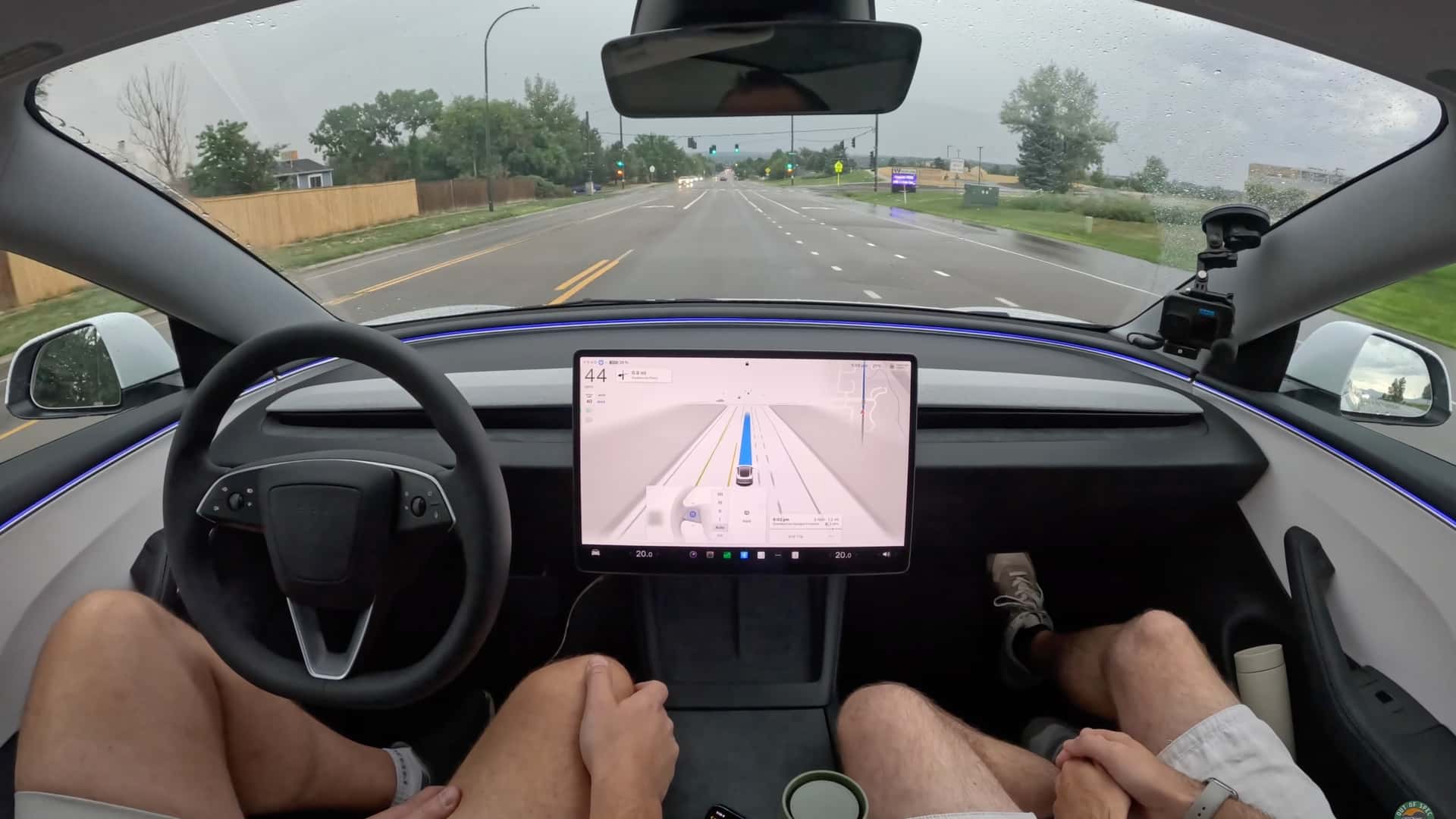
Key Takeaways (TL;DR)
- Tesla Insurance is now offering discounts of up to 10% for drivers in Texas and Arizona who extensively use the Full Self-Driving (FSD) beta software.
- To qualify for the maximum discount, vehicle owners must engage FSD for 50% or more of their driving miles.
- While this move aims to boost FSD usage and data collection, the significant upfront or monthly cost of FSD ($8,000 or $99/month) means the insurance savings alone may not justify the investment.
- The initiative underscores Tesla’s commitment to its ‘AI company’ narrative amidst increasing market competition and regulatory scrutiny over its advanced driver-assistance systems.
- Despite its name, Full Self-Driving requires constant driver supervision, and users remain fully responsible for the vehicle’s operation.
Tesla Rolls Out Insurance Discounts to Boost Full Self-Driving Usage
In a significant strategic move, Tesla’s wholly owned insurance provider has introduced a new incentive program, offering up to a 10% discount on premiums for customers who actively engage its Full Self-Driving (FSD) beta software. This initiative, currently limited to Texas and Arizona, is designed to encourage greater utilization of Tesla’s advanced driver-assistance system, which the company views as central to its long-term vision.

The program highlights the critical importance of FSD to Tesla’s future business model, as the electric vehicle manufacturer increasingly positions itself as an artificial intelligence company. By directly linking insurance costs to FSD engagement, Tesla aims to accelerate the accumulation of real-world driving data and enhance public perception of the technology.
The New Insurance Incentive Explained
Tesla Insurance confirmed the availability of these discounts on its website, a development first highlighted by the Tesla-focused X influencer Sawyer Merritt and subsequently discussed within community forums. The company’s unique position as both vehicle manufacturer and insurance provider allows for this integrated approach to customer incentives.
For eligible Tesla owners in Texas and Arizona, premium reductions are tied directly to the proportion of miles driven with Full Self-Driving engaged. While the exact scaling of the discount has not been fully detailed, the maximum 10% reduction requires a substantial commitment: drivers must complete 50% or more of their total mileage using the FSD system.

Eligibility and Financial Considerations
Accessing this discount first requires a Tesla vehicle equipped with the Full Self-Driving capability. This represents a considerable initial investment, with the FSD software priced at $8,000 upfront or available through a subscription model at $99 per month.
Potential buyers considering FSD solely for the insurance discount should carefully evaluate the economics. The cost of acquiring or subscribing to FSD may significantly outweigh the potential savings on insurance premiums, making it an unlikely financially sound decision if the discount is the primary motivation.
Tesla’s Strategic Bet on Full Self-Driving
Tesla has consistently emphasized Full Self-Driving as a cornerstone of its ambitious future. CEO Elon Musk has repeatedly articulated a vision where Tesla transcends its automotive manufacturing roots to become a leader in artificial intelligence. In this narrative, FSD is not merely a driver-assist feature but a foundational AI product crucial for the company’s valuation and growth.
The financial future of Tesla is intricately linked to the success and widespread adoption of FSD, particularly through recurring subscription revenues. As such, any mechanism that can drive greater engagement with the software is seen as a vital component of its long-term strategy and investor confidence.
Navigating Regulatory Scrutiny and Consumer Perception
Despite Tesla’s optimistic outlook, Full Self-Driving continues to face substantial challenges. Regulatory bodies globally, including those in the United States, maintain a cautious stance on the technology’s capabilities. Public perception, too, remains mixed, with many consumers and experts expressing skepticism regarding FSD’s readiness for truly autonomous operation.
The system, despite its name, is officially classified as a Level 2 advanced driver-assistance system, meaning it requires continuous and active human supervision. This gap between the product’s name and its functional limitations frequently contributes to public misunderstanding and regulatory concerns.
Safety Claims Versus Data Transparency
Tesla and its leadership have often asserted that FSD-enabled driving is inherently safer than human-driven operation. However, these claims have been met with scrutiny from safety advocates and independent researchers. Critics point to Tesla’s practice of selectively presenting data, often without providing the comprehensive underlying datasets required for independent verification.
Historically, Mr. Musk has referenced FSD’s safety on a per-mile basis, particularly during periods when the system was predominantly used on freeways. These environments are statistically less prone to accidents per mile compared to complex urban driving scenarios. This has led to calls for greater transparency regarding real-world performance data across diverse driving conditions, especially as FSD is deployed in more challenging environments, where it has reportedly encountered issues with situations like roundabouts and one-way roads.
The Role of Tesla Insurance
The introduction of FSD-linked insurance discounts also highlights the unique vertical integration of Tesla Insurance. As an insurer owned by the vehicle manufacturer, it possesses direct access to real-time telematics data from Tesla vehicles, allowing for dynamic premium adjustments based on driving behavior and FSD usage.
This direct feedback loop can be a powerful tool for encouraging specific driver behaviors. By incentivizing FSD engagement, Tesla Insurance not only potentially gathers valuable data but also reinforces the company’s narrative about the safety benefits of its technology, regardless of external validation.
Weighing the Benefits and Reported Challenges
While the FSD discount offers a clear financial incentive, potential customers should also consider broader aspects of Tesla Insurance. Anecdotal reports and customer feedback have sometimes indicated that Tesla Insurance premiums can be higher than those offered by traditional insurers, even with safe driving practices. Furthermore, the system’s ability to automatically report aggressive driving can lead to swift and significant rate increases.
Moreover, concerns have been raised regarding customer service. Reports from outlets like Reuters, alongside numerous customer complaints, have detailed challenging experiences when dealing with Tesla Insurance’s support channels. Prospective policyholders are therefore advised to conduct thorough research and compare quotes from multiple providers to make an informed decision that suits their individual needs and driving habits.
Understanding FSD’s Current Capabilities and Driver Responsibility
It is paramount for all users to remember that, despite its ambitious nomenclature, Tesla’s Full Self-Driving software is not a fully autonomous system. It operates as an advanced driver-assistance feature that requires the driver’s constant and vigilant supervision. The responsibility for safe operation of the vehicle remains entirely with the human driver at all times, irrespective of whether FSD is engaged.
The system’s current limitations, including reported difficulties in navigating complex traffic situations, underscore the necessity of active driver engagement. Drivers must be prepared to intervene immediately and take control of the vehicle when FSD encounters unexpected scenarios or fails to perform as anticipated.
Broader Market Context: Why FSD is Crucial Now
Tesla’s push for increased FSD adoption comes at a critical juncture for the company. The electric vehicle market is becoming increasingly competitive, and Tesla has recently faced headwinds. Last year saw a decline in its worldwide sales, and its share of the rapidly expanding EV market is reportedly contracting.
Amidst these market pressures, Tesla’s profits have also been impacted. The initial fervor surrounding the Cybertruck appears to be moderating, and consumers are still awaiting the highly anticipated, more affordable Tesla models that have been frequently hinted at. In this evolving landscape, the profitability and scalability of Full Self-Driving, especially through a robust ride-sharing network promised by Elon Musk for June, represent a significant potential revenue stream and a key differentiator for shareholders, who are ultimately Tesla’s true customer base.
The Road Ahead for Full Self-Driving
The introduction of insurance discounts for Full Self-Driving users is a clear indication of Tesla’s urgent need to accelerate the system’s development and adoption. The company requires extensive real-world driving data to refine its AI models, enthusiastic users to champion the technology, and active engagement to demonstrate its perceived value.
While experts may continue to debate the feasibility of achieving true full autonomy with Tesla’s current sensor suite and approach, these incentives are designed to move the needle. They aim to introduce more drivers to the FSD experience and encourage its use in a wider array of driving conditions, thereby contributing to the data collection that Tesla believes is essential for its ultimate success in the autonomous driving space.
Frequently Asked Questions (FAQ)
What is Tesla Full Self-Driving (FSD)?
Tesla Full Self-Driving (FSD) is an advanced driver-assistance system that aims to enable a Tesla vehicle to navigate and drive autonomously. Despite its name, FSD is currently a Level 2 system, meaning it requires continuous active supervision by a human driver, who remains responsible for the vehicle’s operation at all times.
How does the FSD insurance discount work?
Tesla Insurance offers up to a 10% discount on premiums for FSD users in specific states. To qualify for the maximum discount, drivers must engage the FSD system for 50% or more of their total driving miles. The discount scales based on the proportion of FSD usage, incentivizing consistent activation of the feature.
Which states currently offer Tesla FSD insurance discounts?
As of the latest announcement, the Full Self-Driving insurance discount program through Tesla Insurance is available exclusively to customers residing in Texas and Arizona. Tesla may expand this program to additional states in the future, subject to regulatory approvals and business strategy.
Is Tesla FSD truly autonomous, and is it safe?
No, Tesla FSD is not truly autonomous. It is a sophisticated driver-assistance system that requires constant human oversight and intervention. While Tesla asserts FSD can be safer than human driving, comprehensive, independently validated data supporting this claim across all driving conditions remains publicly unavailable. Drivers are legally and practically responsible for their vehicles.
Should I purchase FSD solely for the insurance discount?
Purchasing Full Self-Driving solely for the insurance discount is generally not financially advisable. FSD carries a significant cost, either $8,000 upfront or $99 per month. The potential insurance savings of up to 10% may not recoup this investment, particularly considering the ongoing subscription cost. Consider FSD based on its utility to you rather than just insurance savings.
What are some reported challenges with Tesla Insurance?
Customers have reported mixed experiences with Tesla Insurance. Some anecdotal accounts suggest that premiums can be higher than those from other insurers. Additionally, the system’s ability to monitor aggressive driving behavior in real-time can lead to immediate premium increases. Concerns about customer service quality have also been noted in various reports and customer feedback.