
KEY TAKEAWAYS
- The U.S. EV market experienced a complex H1 2026, with Q2 sales reaching 247,226 units, the highest since the federal tax credit concluded.
- Despite a 20.5% year-over-year decline in Q2, and 23.8% for H1, the market shows signs of stabilization compared to earlier sharper drops.
- Toyota emerged as a significant winner, more than doubling its EV sales, largely driven by its bZ model, and surpassing many established EV players.
- Hyundai, Cadillac, and Rivian also posted resilient or growth-oriented performances, with Rivian’s commercial vans proving particularly strong.
- Several manufacturers, including Acura, Honda, Jeep, Dodge, Nissan, Volkswagen, Ford, and Audi, faced substantial sales declines due to model cancellations, reduced supply, or waning demand.
- Tesla, while experiencing a 10.9% sales decline, outperformed the overall market trend, indicating relative stability despite a challenging prior year.
- The ongoing EV market shakeout is characterized by varied brand performances, strategic realignments, and responses to changing consumer demand and policy environments.
The landscape of the U.S. electric vehicle (EV) market in the first half of 2026 presents a multifaceted picture of both resurgence and significant challenges. While the second quarter recorded the highest EV sales volume since the expiration of the federal tax credit last September, a closer examination reveals a stark divergence in performance among key automotive players. This period marks a critical phase in the **EV market shakeout**, as manufacturers adapt to evolving consumer preferences and policy shifts.

According to data released by Cox Automotive, U.S. EV sales reached 247,226 units in the second quarter of 2026. This figure, though signaling a rebound from previous quarters, sits within a broader context of year-over-year declines. The market experienced a 20.5% drop compared to Q2 of the previous year, and a cumulative 23.8% decline for the entire first half of 2026. Such volatility underscores the dynamic nature of the segment as it strives to find stable footing amidst various headwinds.
Understanding the Market’s Dynamics and Data Complexity
The reported sales data, while showing overall contraction, is far from uniform. The performance of individual car brands varies significantly, painting a nuanced picture of who is successfully navigating the current market conditions and who is struggling. This uneven trajectory highlights the intense competition and the strategic imperative for manufacturers to align their product offerings with prevailing consumer demand, particularly in an environment lacking prior federal incentives.
The cessation of the federal tax credit has had a palpable impact, especially on brands that have not adjusted their pricing strategies. Furthermore, decisions by companies to reduce their model lineups or scale back supply have contributed to the fluctuating sales figures. In the absence of stringent clean-car regulations, manufacturers retain the flexibility to manage their EV output, which further influences overall market supply and consumer choices. This intricate interplay of factors defines the ongoing **EV market shakeout**.

Leading the Charge: The Winners in the EV Race
Amidst the broader market contractions, several brands have not only held their ground but have also demonstrated impressive growth, showcasing strategic agility and strong product appeal.
Toyota’s Strategic Surge
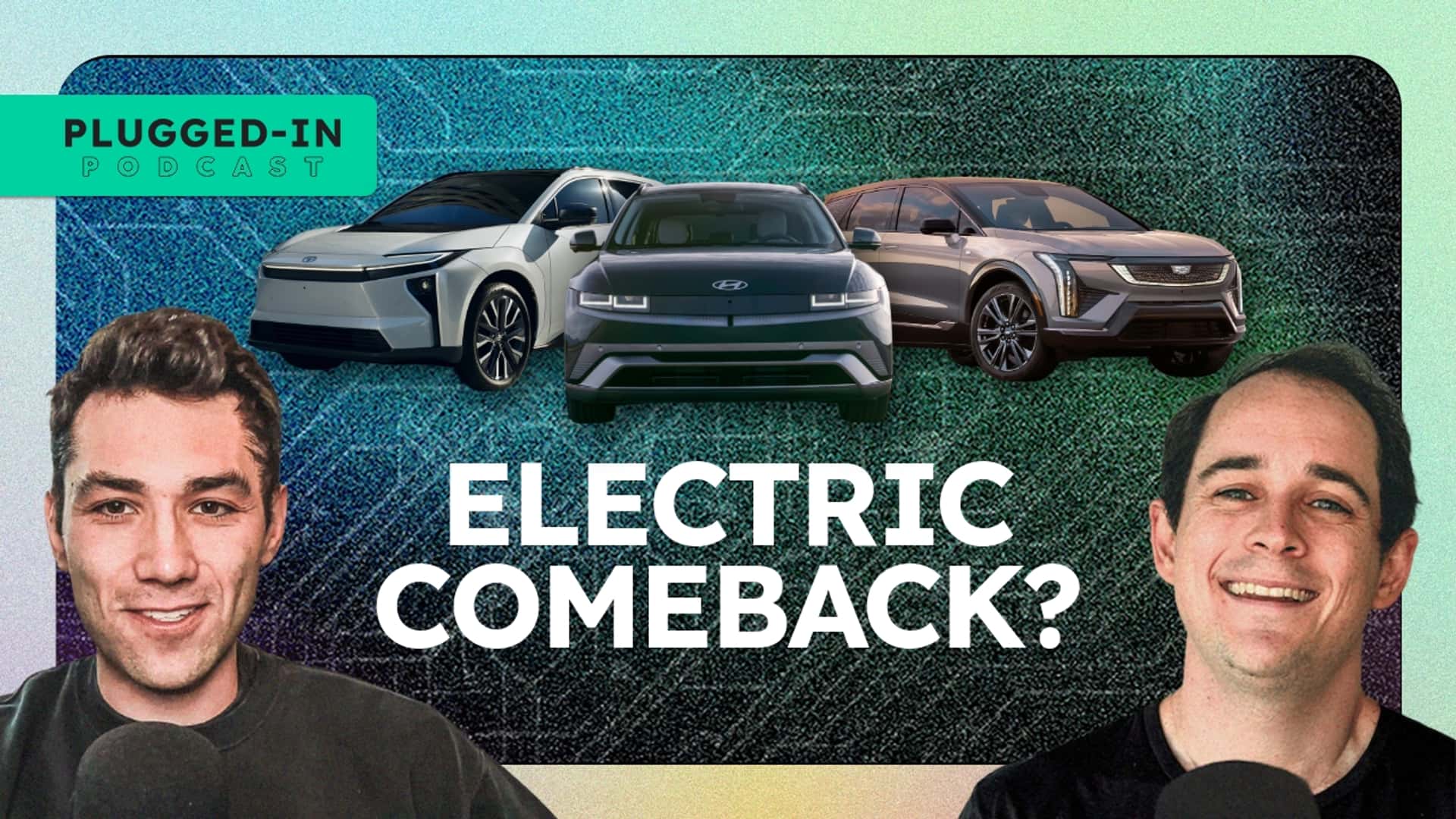
In a notable strategic pivot, Toyota has emerged as a significant success story, challenging its historical reputation as a latecomer to the pure EV segment. For years, the Japanese automotive giant prioritized hybrid technology, a strategy that served it well. However, in the first half of 2026, Toyota’s EV sales more than doubled. This remarkable acceleration was largely propelled by the updated bZ model, which alone accounted for a substantial 17,553 units sold. This performance is particularly striking given that just a year ago, Toyota trailed behind several key rivals including Volkswagen, Rivian, Nissan, Kia, Honda, GMC, Ford, Cadillac, BMW, and Audi in EV sales. Its current position ahead of these established players underscores a powerful shift in its market approach and consumer reception.
Lexus and Subaru Mirror Growth
Toyota’s luxury division, Lexus, mirrored this upward trend, nearly doubling its EV sales in the first half of the year. Similarly, Subaru, a brand known for its commitment to all-wheel-drive and rugged vehicles, also saw its EV sales double in the second quarter. These performances indicate a broader consumer appetite for electrified options from trusted brands, suggesting that strategic product introductions and brand loyalty can overcome broader market headwinds.
Cadillac and Hyundai’s Resilience
Cadillac, General Motors’ luxury marque, managed to increase its EV sales by 10% in the first half of 2026. This growth was notably buoyed by the Vistiq and Optiq models, which experienced ramped-up production and market presence over the past year. Their steady sales underscore the potential for luxury EV segments to maintain momentum even during a market slowdown. Hyundai also showcased remarkable resilience, with its EV sales declining by only approximately 5%—a notable achievement given the widespread drops across the industry. The Ioniq 5, a popular model, saw its sales rise by 9%, cementing its position as America’s favorite non-Tesla EV in the first half. A strategic price reduction of nearly $10,000 for the Ioniq 5 likely played a crucial role in maintaining its competitive edge and strong consumer appeal.
Rivian’s Commercial Strength
Rivian, a relatively newer entrant focused on electric trucks and SUVs, experienced a 13.7% increase in sales, totaling 21,770 vehicles. This growth was largely attributable to the robust performance of its commercial van segment, highlighting the increasing demand for electric fleet solutions. Capitalizing on this strength, Rivian also raised its production guidance for the year to an impressive 70,000 units, signaling strong confidence in its market position and operational capabilities.
Facing Headwinds: The Losers in the Current EV Climate
While some brands thrived, many struggled significantly, grappling with decreased demand, discontinued models, and strategic retrenchments that characterized a challenging period in the **EV market shakeout**.
Acura and Honda’s Retreat
Acura faced the most dramatic decline, with a 99% year-to-date drop in EV sales. This steep plunge comes as no surprise, as the brand canceled its sole EV model last year and subsequently axed its intended replacement. Honda, Acura’s parent company, also saw its EV sales roughly halved. The brand completely exited the U.S. EV market recently, announcing the cessation of production for its only EV in the U.S., the Prologue, by the end of this year. This decision marks a significant strategic shift, reflecting the difficulties faced by some traditional automakers in adapting to the rapid changes in consumer demand and competition within the EV segment.
Stellantis Brands Under Pressure
Jeep EV sales plummeted by an alarming 94.3% from an already low baseline, indicating severe challenges for the brand in its electric offerings. While new models like the rugged Recon EV and a Wagoneer EREV are anticipated later this year, their arrival needs to significantly reverse the current trend. Similarly, the Dodge Charger EV experienced an almost 88% decline in sales, selling just over 500 units in the first half. Stellantis, the parent company for both Jeep and Dodge, appears to be rapidly scaling back its EV ambitions in the current market environment, a move further underscored by its decision to axe all of its plug-in hybrid models this year.
Nissan’s Significant Setback
Nissan’s EV sales plunged by a substantial 88.6%, despite the launch of an updated Leaf model. The discontinuation of the higher-volume Ariya model has significantly impacted its overall sales figures. The tepid sales performance of the new Leaf could stem from production or supply chain decisions, but it also raises questions about the true level of demand for smaller, budget-friendly EVs in the current market, especially as consumers increasingly seek longer ranges and more advanced features.
European Automakers Encounter Difficulties
Volkswagen recorded a nearly 70% decrease in sales, falling below 4,000 units in the first half of the year. This decline is partly explained by the ID. Buzz skipping a model year and the cancellation of the ID.4. These strategic decisions to streamline or temporarily withdraw models highlight the challenges of managing production and market expectations in a volatile environment. BMW’s EV sales also saw a reduction of approximately half, according to Cox Automotive, although the brand has a pipeline of new and advanced models slated for future release, which could reverse this trend. Audi experienced a dramatic 85% drop, selling only 1,697 units in the first six months, reflecting a significant downturn in its electric vehicle offerings.
Ford’s Production Adjustments
Ford, once a strong contender in the U.S. EV market, saw its EV sales drop over 57% in the first half of 2026. This downturn followed the decision to cancel the F-150 Lightning electric pickup truck last year, a move that significantly impacted its volume-driving EV offering. The cancellation underscores the difficulties even major players face in predicting and meeting market demand, leading to necessary, albeit sometimes costly, adjustments in production and strategy.
Tesla’s Position Amidst the Market Shift
Tesla, the long-standing leader in the EV space, managed to outperform the broader market trend, with its sales estimated by Cox Automotive to be down by only 10.9%. While still a decline, this figure is notably less severe than those experienced by many traditional automakers. It is crucial to remember, however, that 2025 was a historically challenging year for Tesla itself, suggesting that its current performance, while relatively better, still operates against a backdrop of internal and external pressures. The company’s ability to maintain a strong market presence, even with a decline, underscores its brand loyalty and established infrastructure.
Conclusion: An Evolving Landscape in the EV Market Shakeout
The first half of 2026 clearly demonstrates that the U.S. EV market remains in a state of flux. The cessation of federal tax credits, coupled with fluctuating consumer demand and strategic adjustments by manufacturers, has intensified the **EV market shakeout**. Companies that were early and serious contenders in the pre-policy-whiplash era are fighting to retain their leadership. Meanwhile, brands like Toyota are seizing opportunities to gain significant ground through focused product launches and refreshed strategies. Many others are grappling with sagging sales, carefully evaluating their positions and future investments in the electric mobility sector.
The recent decision by Honda to discontinue the Prologue, its only EV in the U.S., serves as a potent reminder that this period of market realignment is far from over. The industry is witnessing a critical transition as it moves past early adoption incentives towards a more mature, competitive, and sustainable growth phase, where product differentiation, pricing strategies, and charging infrastructure will be paramount to success.
Frequently Asked Questions (FAQs)
What caused the significant sales fluctuations in the U.S. EV market in H1 2026?
The market’s volatility in H1 2026 primarily stems from the end of the federal EV tax credit last September. This, combined with varying manufacturer strategies—such as price adjustments, model cancellations, and production cuts—and evolving consumer demand, created a complex and uneven sales environment across different brands.
Which manufacturers emerged as clear winners during this period?
Toyota, with its updated bZ model, significantly increased its EV sales, demonstrating a strong strategic pivot. Lexus and Subaru also doubled their sales. Hyundai maintained resilience, largely due to its Ioniq 5 and strategic price reductions, while Rivian saw growth driven by its commercial van segment.
Why did some major automotive brands experience substantial declines in EV sales?
Brands like Acura, Honda, Jeep, Dodge, Nissan, Volkswagen, Ford, and Audi faced declines primarily due to model cancellations (e.g., Honda Prologue, Ford F-150 Lightning), discontinued popular models (e.g., Nissan Ariya, VW ID.4), and a broader struggle to stimulate demand in a post-tax credit environment without aggressive price adjustments.
How did the end of the federal tax credit impact EV sales?
The expiration of the federal tax credit significantly impacted consumer purchasing decisions, particularly for vehicles that did not see corresponding price drops. This led to a cooling of demand for certain models and segments, forcing manufacturers to rethink pricing strategies and product value propositions to attract buyers.
What does Tesla’s performance indicate about the current market?
Tesla’s estimated 10.9% sales decline was less severe than the overall market average, suggesting relative strength and stability amidst the **EV market shakeout**. Despite 2025 being a challenging year for the company, its continued market leadership and brand appeal indicate a resilient consumer base even in a tightening market.
What is the long-term outlook for the U.S. EV market based on these trends?
The current trends suggest an ongoing period of realignment and consolidation. The market is moving beyond early incentives, emphasizing competitive pricing, diverse product offerings, and robust charging infrastructure. Only manufacturers capable of adapting swiftly to these evolving dynamics and consumer expectations will thrive in the long run.
Are hybrid vehicles playing a role in this EV market shakeout?
Yes, hybrid vehicles are playing a significant role. Toyota’s initial focus on hybrids allowed it to build a strong foundation, and the current market shows some consumers opting for hybrids as a transitional step or an alternative to full EVs, especially with concerns about range or charging infrastructure. Some manufacturers are also shifting focus back to hybrids.
What factors will determine the success of EV manufacturers moving forward?
Future success will largely hinge on several key factors: competitive pricing, diverse and compelling product portfolios that cater to various consumer segments, significant investment in and expansion of reliable charging infrastructure, and continuous innovation in battery technology to enhance range and reduce costs. Effective marketing and consumer education will also be crucial.