
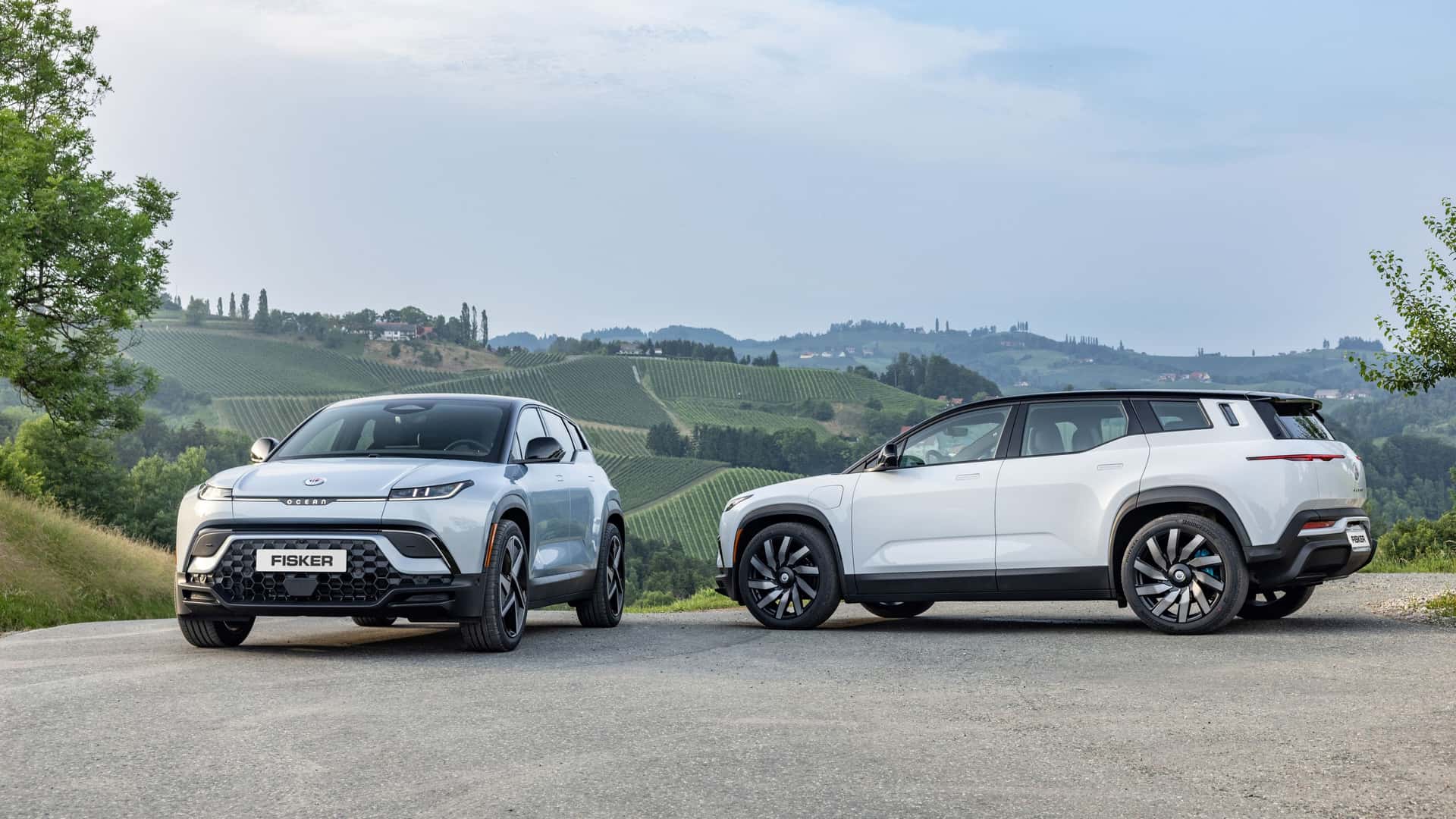
In a significant development for the electric vehicle (EV) sector, Fisker, the EV startup founded by industry veteran Henrik Fisker, is reportedly preparing for a potential bankruptcy filing. This critical information comes from a new report by The Wall Street Journal, indicating severe financial pressures on the company.
The news follows Fisker’s recent disclosure to investors, where it expressed “substantial doubt” about its capacity to meet its financial obligations without a crucial cash injection. The company’s ongoing struggles highlight the volatile nature of the rapidly evolving electric vehicle market.
Key Takeaways: Fisker’s Financial Outlook
- Fisker has reportedly hired restructuring advisors in preparation for a potential bankruptcy filing, as per The Wall Street Journal.
- The EV startup had previously warned investors about “substantial doubt” regarding its ability to continue operations without new funding.
- Approximately 10,000 Ocean electric crossovers have been produced by supplier Magna, with only about half sold.
- The company faces a reported debt of one billion dollars and is actively seeking a strategic partnership with a major automaker.
- Fisker’s stock has plummeted over 97% since its initial public offering, reflecting deep investor concern.
Restructuring Advisors Hired Amidst Financial Strain
According to The Wall Street Journal, Fisker has engaged bankruptcy advisors to navigate the complexities of a potential filing. This strategic move underscores the gravity of the company’s financial predicament and its proactive steps to address severe liquidity challenges.
The decision to seek such specialized counsel is often a precursor to formal insolvency proceedings, signaling a critical juncture for the aspiring EV manufacturer.
Production Woes and Sales Shortfalls for the Fisker Ocean
Fisker’s flagship product, the Ocean electric crossover, has faced significant hurdles since its launch last summer. While its supplier, Magna, has produced approximately 10,000 units of the vehicle, only about half have found buyers in the market.
This sales discrepancy comes at a time of broader slackening demand for electric vehicles, compounding Fisker’s challenges. The company was compelled to implement production cuts in December 2023 due to weak market interest and an ineffective sales strategy.
Operational Challenges and Regulatory Scrutiny
Beyond sales figures, the Fisker Ocean has been plagued by several high-profile issues. These include a regulatory probe focusing on braking system concerns, which has undoubtedly added to the company’s operational complexities and public perception challenges.
Furthermore, the vehicle received a “scorching review” from one of the world’s biggest tech reviewers, highlighting perceived shortcomings in its overall appeal and functionality. Such critical assessments can significantly impact consumer confidence and brand reputation, particularly for new entrants in the competitive EV space.
Strategic Shift in Sales Model Underway
In an effort to revitalize its sales approach, Fisker is reportedly exploring a pivot from its current direct-sales model to a dealer partnership model. This shift, as reported by The Wall Street Journal, aims to leverage established dealership networks to reach a broader customer base and potentially improve sales efficiency.
However, the feasibility of executing such a transition remains uncertain, given the company’s precarious financial position and the urgent need for stability.
Fisker’s Official Response to Speculation
In response to circulating reports regarding its engagement with bankruptcy advisors, Fisker issued a statement acknowledging the market speculation while refraining from direct confirmation.
The company stated: “As a matter of company policy, Fisker does not comment on market rumors and speculation. However, Fisker often works with outside advisors to help manage its business and assist in developing and executing strategies. does not comment on market rumors and speculation. Fisker is focused on raising additional capital and engaging in a strategic partnership with a large automaker. The company is also continuing to pursue its shift to a Dealer Partnership model in both North America and Europe. The leadership team is laser-focused on these efforts.”
Navigating a Billion-Dollar Debt and Partnership Quest
Fisker’s financial filings reveal a substantial debt burden of one billion dollars, underscoring the formidable challenge it faces in achieving solvency. This significant liability makes the prospect of a turnaround highly dependent on securing substantial new capital or a strategic alliance.
To this end, Fisker is actively pursuing a partnership with a larger automaker, a move seen as crucial for its survival. While rumors have surfaced about potential interest from Nissan, the strategic rationale for such an acquisition or collaboration remains a subject of considerable industry discussion, particularly given Fisker’s current operational and financial state.
Impact on Manufacturing Partner Magna
The financial struggles of Fisker have also cast a shadow over its manufacturing partner, Magna. As a contract production company, Magna builds the Ocean and other vehicles for established original equipment manufacturers (OEMs) like Mercedes. The ongoing business relationship with Fisker has been explicitly identified by Magna as one of its financial risks, signaling the potential ripple effects of Fisker’s instability across the automotive supply chain.
Steep Decline in Share Price and Future Outlook
The company’s stock performance reflects the profound investor skepticism surrounding Fisker’s long-term viability. As highlighted by The Wall Street Journal, Fisker’s share price has plummeted by over 97% since its initial public offering, wiping out significant shareholder value.
Compounding these challenges is the absence of any new product nearing production, limiting the company’s future revenue streams. Additionally, reviews of the Ocean have generally not found the vehicle particularly compelling, even setting aside its known software and operational bugs.
Absence of U.S. Manufacturing Facilities
A further disadvantage for Fisker stems from its manufacturing arrangement. With production outsourced to Magna in Austria, Fisker lacks a U.S.-based production facility. This not only means the company does not possess a significant domestic asset but also disqualifies its vehicles from eligibility for crucial federal tax credits in the United States, further impacting sales competitiveness.
The confluence of these factors—mounting debt, production and sales struggles, regulatory scrutiny, a collapsing share price, and strategic vulnerabilities—paints a challenging picture for the EV startup. If reports from The Wall Street Journal prove accurate, Fisker appears to be bracing for a difficult period of financial restructuring.
Frequently Asked Questions (FAQ)
What is the latest news regarding Fisker’s financial situation?
Reports from The Wall Street Journal indicate that Fisker is preparing for a potential bankruptcy filing and has hired restructuring advisors. This follows the company’s earlier warning to investors about its ability to meet financial obligations without new capital.
Why is Fisker facing financial difficulties?
Fisker’s challenges stem from multiple factors, including slackening demand for its Ocean EV, production cuts, high-profile vehicle issues, a regulatory probe over braking, and a reported billion dollars in debt. Its direct-sales model has also proved ineffective.
How many Fisker Ocean vehicles have been sold?
Out of approximately 10,000 Ocean electric crossovers produced by its supplier Magna, Fisker has managed to sell only about half of them. This sales performance is a key contributor to its financial strain.
Is Fisker seeking a partnership with another automaker?
Yes, Fisker has stated it is focused on raising additional capital and engaging in a strategic partnership with a large automaker. Rumors have suggested that Nissan could be a potential interested party.
What is Fisker’s stance on market rumors about bankruptcy?
Fisker has stated that, as a matter of company policy, it does not comment on market rumors and speculation. However, it confirmed working with outside advisors and is focused on capital raising and strategic partnerships.
What is the impact of Fisker’s manufacturing setup on its business?
Fisker’s reliance on Magna for production in Austria means it lacks a U.S. manufacturing facility. This prevents its vehicles from qualifying for federal tax credits in the U.S. and eliminates a key domestic asset, affecting its market competitiveness.