
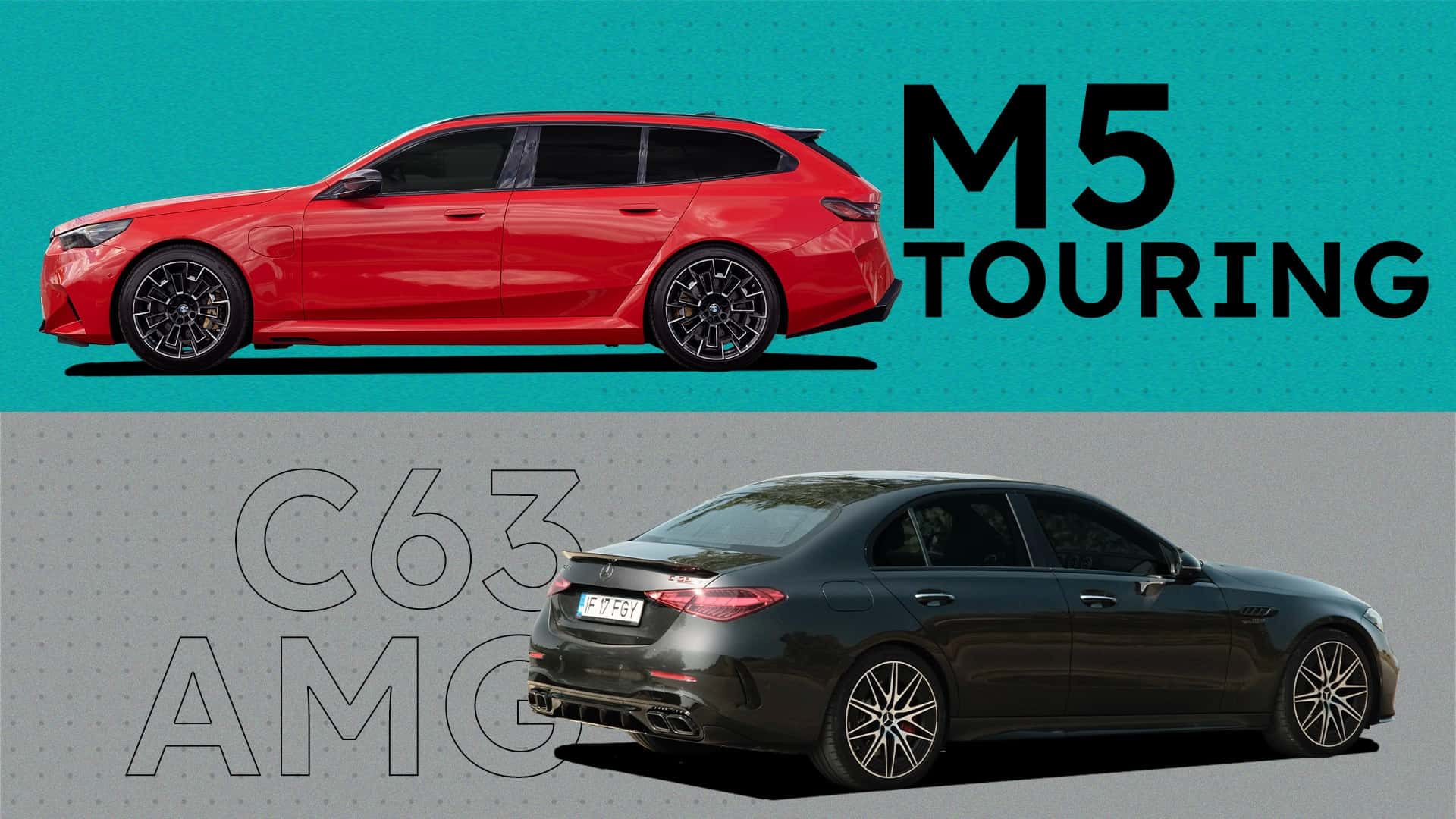
The automotive industry’s pivot towards electrification has ushered in a new era for high-performance vehicles. Carmakers are now integrating substantial battery packs into their most powerful and traditionally high-emission models. This strategic shift, primarily driven by evolving global emissions standards, has given rise to a distinctive class of electrified performance cars that present a complex interplay of blistering straight-line speed, electric range, and considerable curb weight.
While these sophisticated hybrid sports cars offer impressive acceleration and the capability for short-distance electric-only commutes, their increased mass can significantly alter the dynamic driving experience, often diverging from the agile handling expected of their non-electrified predecessors. This often leads to a crucial question for driving enthusiasts: does more power and greater battery capacity truly equate to a superior, more enjoyable driving experience?

Key Takeaways
- The integration of large batteries in performance vehicles, while boosting power and electric range, significantly increases weight, potentially compromising agile handling.
- The G99 BMW M5 Touring, with its large V-8 and 22.1 kWh battery, delivers immense power (estimated near 800 hp real output) but struggles with handling due to its 5,456-pound (2,475 kg) weight and inconsistent suspension tuning.
- The Mercedes-AMG C63s E-Performance, despite a smaller 2.0-liter four-cylinder engine and a compact 6.1 kWh battery, offers a more agile and engaging driving experience, feeling quicker due to its lighter weight (approximately 880 pounds or 400 kg less than the M5).
- Mercedes-AMG’s approach prioritises performance enhancement over extensive electric range, utilising its smaller battery primarily for a power boost, a strategy mirrored by high-end supercars like Ferrari’s PHEVs.
- Real-world efficiency of these performance PHEVs often falls short of advertised WLTP figures, with EPA ratings (e.g., M5 at 13 mpg, C63 at 20 mpg depleted battery) providing a more accurate reflection of daily driving fuel consumption.
- Ultimately, for electrified performance cars, the design philosophy behind the hybrid system – whether for range or pure performance – dictates the overall driving character and appeal to enthusiasts.
BMW M5 Touring: Raw Power Meets Significant Mass
The new G99 BMW M5 Touring exemplifies this modern performance hybrid trend. Its formidable powertrain combines a robust V-8 engine with a substantial battery, yielding a claimed 717 horsepower. Real-world assessments, including a dyno test, have indicated that its actual output at the wheels approaches 700 hp, suggesting a total system output closer to 800 hp.
This immense power, coupled with 737 pound-feet (1,000 Nm) of torque from its 4.4-liter twin-turbocharged V-8, delivers alarming straight-line acceleration, pinning occupants to their seats whether launching from a standstill or a rolling start. The M5’s powertrain is undeniably potent, offering a thrilling surge of power that defines its performance character.
The Dual Nature of the M5’s Electrification
Beyond its combustion engine prowess, the M5 offers a surprisingly capable electric-only driving experience. Its integrated electric motor, positioned within the eight-speed automatic gearbox, provides 197 hp and 206 lb-ft (280 Nm) of torque. This enables the 5,456-pound (2,475 kg) Touring model to move briskly on electricity alone, offering approximately 35 miles of pure electric range.

Driving the M5 in EV mode reveals an unexpected layer of enjoyment. A subtle, piped-in acceleration sound enhances the experience, and the car still simulates gear shifts, albeit without manual control. Power is delivered to all four wheels, ensuring reliable traction even in challenging conditions. This makes the M5 a compelling around-town electric vehicle, providing both efficiency and a degree of driving engagement for daily commutes.
Weight and its Impact on Driving Dynamics
However, the significant weight of the BMW M5 Touring, notably heavier even than its pure-electric sibling, the i5 Touring M60, introduces considerable challenges to its driving dynamics. BMW engineers have had to meticulously tune the suspension to manage this substantial mass, resulting in a ride quality that can be oddly inconsistent.
The car struggles to find a balance, oscillating between what feels like the plush comfort of a luxury cruiser and the jarring stiffness of a sport-tuned vehicle. Encountering mid-corner bumps often unsettles the chassis, sometimes alarmingly, as forces transfer abruptly from one side to the other. This inertia makes the M5 feel less like a nimble athlete and more like a powerful machine constrained by its own heft, with a tendency towards understeer when pushed vigorously.
Mercedes-AMG C63s E-Performance: Agility Through Focused Hybridisation
In contrast to the BMW M5 Touring, the Mercedes-AMG C63s E-Performance presents an alternative philosophy in electrified performance. Although a size class below the M5, a direct comparison of their driving experiences highlights a crucial difference in their approaches to hybrid technology. The C63, while still a performance PHEV, manages its electrification with a clear focus on agility and driver engagement.
Despite featuring a smaller, 2.0-liter four-cylinder engine — half the cylinder count of the BMW — and slightly less combined horsepower, the C63 delivers a remarkably special driving experience. Its engine, a meticulously hand-assembled AMG unit, bears the signature of its craftsman, a testament to its bespoke nature. This detail is prominently displayed under the hood, alongside the visible turbocharger and electric supercharger setup, offering a more visually impressive and purposeful engine bay than the M5’s concealed hot-V design.
Optimised Power Delivery and Torque
The M139 engine, derived from AMG’s compact performance models, independently produces over 400 horsepower. When combined with its electric motor, the C63s E-Performance generates a formidable 670 hp and 752 lb-ft (1,020 Nm) of torque. This torque figure surpasses that of the BMW M5, and crucially, it is delivered in a car that is approximately 880 pounds (400 kg) lighter. This significant power-to-weight advantage is immediately palpable from behind the wheel.
Executing a ‘Race Start’ in the C63 unleashes a force unlike many combustion-engined vehicles. The car feels subjectively faster than the BMW, despite their similar on-paper acceleration figures. Its all-wheel-drive system expertly manages power delivery, ensuring shocking quickness off the line. An electric supercharger works in tandem with the turbo to minimise lag, providing an exceptionally responsive powertrain and a relentless surge of combined electric and gasoline torque.
Enhanced Cornering Prowess
The C63’s performance extends beyond straight-line speed to its exceptional cornering ability. Unlike its predecessors, which were known for their eagerness to induce oversteer, this new model feels purpose-built for the track. It prioritises delivering optimal corner exit speeds with minimal drama, showcasing a high degree of control and precision through bends.
While the C63 is based on the smaller C-Class, and thus inherently lighter than the 5 Series Touring platform of the M5, Mercedes-AMG’s strategic decision to design a lighter hybrid system is key to its dynamic superiority. Unlike the M5, which shares its battery and motor configuration with lesser PHEV models, the C63 employs a bespoke, smaller battery system with its electric motor integrated into the rear axle. This motor’s primary role is performance enhancement, offering only a modest 5 miles of electric-only range, clearly differentiating it from efficiency-focused PHEVs.
The Philosophy of Performance PHEVs: Battery Size and Weight
Mercedes-AMG’s genius with the C63 lies in its decision to equip it with a comparatively smaller battery. The BMW M5 carries a substantial 22.1-kilowatt-hour battery, contributing significantly to its heft. In contrast, the C63’s battery capacity is just 6.1 kWh. This smaller pack is compact by performance PHEV standards, yet it adeptly fulfills its dual purpose: to boost performance and satisfy increasingly stringent European Union emissions regulations through lab testing.
The impact of battery size and weight on overall vehicle efficiency is critical. The heavier, more powerful BMW M5, under the WLTP cycle, claims an astonishing efficiency of 1.6 to 1.7 liters/100 km (nearly 150 mpg). However, this figure is highly dependent on keeping the battery fully charged, a habit many PHEV drivers do not consistently maintain. Consequently, its EPA combined rating of 13 mpg (18 l/100 km) offers a more realistic reflection of real-world fuel consumption.
Real-World Efficiency and Driving Style
The C63, while not boasting a comparable WLTP efficiency rating in Europe, claims an average of 6.9 l/100 km or 34 mpg. While achieving this requires an extremely gentle driving style, it remains attainable even with a depleted battery. When driven enthusiastically, similar to how the BMW was tested for enjoyment rather than fuel economy, the C63 returned around 15 mpg. Its EPA rating, with a depleted battery, is 20 mpg, a figure that is realistically achievable without specific efforts to drive efficiently.
For dedicated performance enthusiasts, the headline efficiency numbers are rarely the primary motivators for purchasing a C63 or an M5. The focus remains squarely on the driving experience. Electrification in these vehicles primarily serves to enhance performance, not necessarily to transform them into hyper-efficient commuters. Moreover, performance cars constitute a small fraction of overall vehicle sales, meaning their emissions footprint is proportionally minor compared to mass-market vehicles, where electrification can yield far greater environmental benefits.
The Nuance of Electrification in Sports Cars
The experience with the BMW M5 Touring and Mercedes-AMG C63s E-Performance underscores a critical distinction in automotive engineering: the purpose of electrification. When designed for pure performance, more battery capacity is not always the optimal solution. The C63’s approach aligns more closely with high-end exotic performance PHEVs such as the second-generation Acura NSX, the Corvette E-Ray, the Ferrari 296 GTB, or the new Lamborghini Temerario.
In these elite machines, the battery pack typically remains under 8 kWh, carefully chosen to avoid overburdening the chassis and preserve handling purity. While electric driving range is a bonus, the core objective of electrification remains enhancing acceleration and responsiveness, rather than maximising efficiency or extensive electric range.
Managing Battery Depletion in Performance Scenarios
A common concern with performance PHEVs is the potential for power reduction if the battery charge runs low during spirited driving. In such scenarios, the combustion engine might divert power to generate electricity to replenish the battery, potentially impacting peak performance. However, for typical road use, this is rarely an issue. Even during sustained hard driving on twisty roads for over half an hour, the C63 maintained approximately 33% battery charge, indicating minimal performance loss in real-world conditions.
While track use with prolonged full-throttle applications might eventually lead to some performance degradation, it is clear that Mercedes-AMG has calibrated its system to sustain performance under demanding conditions. This thoughtful integration of electrification ensures that the C63 remains an excellent and exciting driver’s car, proving that a performance-focused hybrid system can deliver a more compelling experience, even with fewer cylinders, by prioritising agility over sheer battery size and weight.
Conclusion
The comparison between the BMW M5 Touring and the Mercedes-AMG C63s E-Performance offers invaluable insights into the evolving landscape of electrified performance cars. While the M5 delivers monumental power and electric range, its substantial weight significantly compromises the agile driving dynamics traditionally expected from an M car. The C63, on the other hand, demonstrates that a more judicious application of hybrid technology, focusing on a lighter, performance-boosting battery, can result in a more engaging and special driving experience.
Mercedes-AMG’s strategy in the C63, prioritising dynamic prowess over extensive electric-only range, aligns with a purist view of performance hybridisation, where electrification serves to sharpen rather than dilute the driving sensation. This nuanced approach suggests that for true driving enthusiasts, the future of performance PHEVs lies not necessarily in bigger batteries and higher numbers, but in intelligent integration that preserves and enhances the inherent joy of driving.
Frequently Asked Questions (FAQ)
What are the primary differences in the hybrid systems of the BMW M5 Touring and Mercedes-AMG C63s E-Performance?
The BMW M5 Touring uses a larger 22.1 kWh battery primarily for significant electric range (around 35 miles) and emissions compliance, leading to higher vehicle weight. The Mercedes-AMG C63s E-Performance employs a smaller 6.1 kWh battery, with its electric motor integrated into the rear axle, primarily to boost performance rather than provide extensive electric-only driving (approx. 5 miles).
How does the weight difference impact the driving experience of these performance PHEVs?
The BMW M5 Touring, at 5,456 pounds (2,475 kg), is considerably heavier than the C63s E-Performance (approximately 880 pounds lighter). This mass makes the M5 feel less agile, impacting its cornering ability and ride consistency. The lighter C63s, conversely, offers a more nimble and engaging driving experience, feeling more like a track-focused vehicle through corners.
Which vehicle offers better real-world fuel efficiency?
While the BMW M5 Touring has a higher advertised WLTP efficiency, its real-world EPA combined rating is 13 mpg with a depleted battery. The Mercedes-AMG C63s E-Performance, with its smaller engine and lighter setup, achieves an EPA rating of 20 mpg with a depleted battery, making it more efficient in typical driving conditions despite its high performance.
Is the four-cylinder engine in the Mercedes-AMG C63s E-Performance adequate for a high-performance car?
Despite having half the cylinders of the M5, the C63s E-Performance’s 2.0-liter, hand-assembled AMG engine, combined with its electric motor, produces 670 hp and 752 lb-ft (1,020 Nm) of torque. This powerful and responsive powertrain, coupled with its lighter weight, delivers exhilarating acceleration and a highly engaging driving experience that feels surprisingly potent.
What is the role of the electric supercharger in the C63s E-Performance?
The electric supercharger in the Mercedes-AMG C63s E-Performance is designed to build boost quickly and minimise turbo lag. This technology ensures that the powertrain is highly responsive, providing instant torque and a relentless surge of power from both the electric motor and the combustion engine, significantly enhancing the car’s acceleration and dynamic feel.
Can the battery in the C63s E-Performance run out during spirited driving, impacting performance?
The C63s E-Performance’s hybrid system is designed to sustain performance under demanding conditions. While prolonged track use might theoretically lead to some power reduction if the battery depletes entirely, typical spirited road driving, even for extended periods, shows that the battery retains sufficient charge to maintain peak performance, with the engine also contributing to replenishment.
What does this comparison reveal about the future of performance PHEVs?
This comparison indicates that the future of performance PHEVs may hinge on a more balanced approach to electrification. Rather than solely increasing battery size for range, focusing on a lighter, performance-optimised hybrid system, as seen in the C63s and other supercars, can yield a more engaging and dynamically superior driving experience, prioritising agility and driver connection.