
Key Takeaways (TL;DR)
- Hyundai Motor Group and SK On’s $5 billion electric vehicle (EV) battery facility in Bartow County, Georgia, has officially commenced early production, marking a pivotal step in domestic EV manufacturing.
- The joint venture, named Hyundai SK Battery Manufacturing America, aims for an annual capacity of 35 gigawatt-hours (GWh), sufficient to power approximately 300,000 EVs.
- This significant investment is projected to create around 3,500 jobs and bolsters Georgia’s emerging status as a critical hub for the North American EV supply chain.
- Despite current fluctuations in U.S. EV demand, Hyundai and Kia are steadfastly advancing their electrification strategy, anchoring substantial operations in the Peach State.
- The new facility complements Hyundai’s existing EV assembly plants in Georgia and another major battery joint venture, underscoring a multi-faceted commitment to localized production.
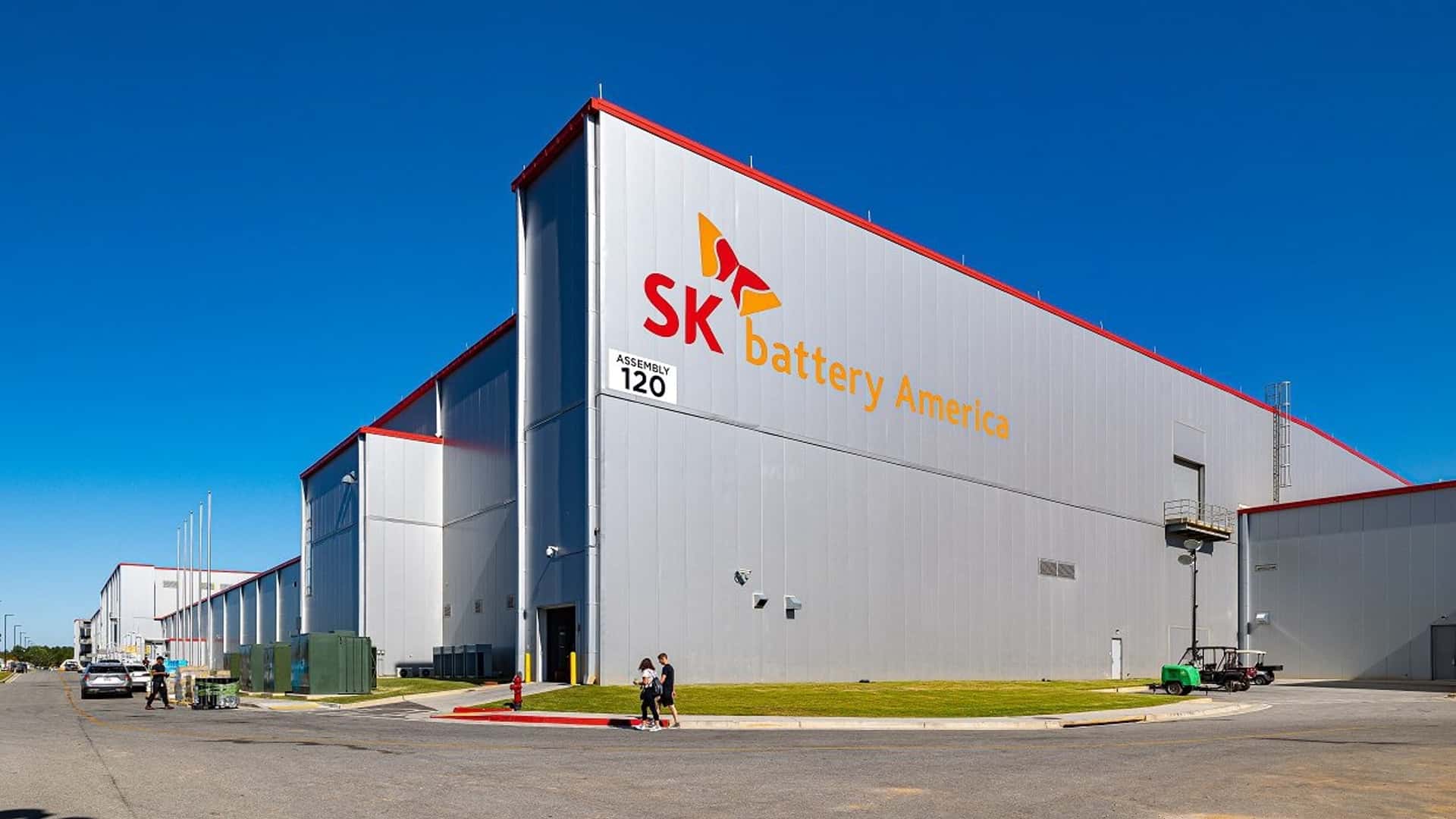
BARTOW COUNTY, GEORGIA – A monumental shift in the American automotive landscape has officially powered up, as Hyundai Motor Group and Korean battery giant SK On announce the commencement of early production at their colossal $5 billion electric vehicle battery plant in Bartow County, Georgia. This pivotal moment signifies a substantial stride towards fortifying the domestic supply chain for electric vehicles in the United States.

The joint venture, known as Hyundai SK Battery Manufacturing America, began trial operations last month. It is now transitioning into an initial production phase, with strategic plans for a gradual ramp-up to full operational capacity, as confirmed by a Hyundai spokesperson to *The Atlanta Journal-Constitution*.
This facility stands as one of Georgia’s most significant economic development projects, designed to localize the production of EV batteries for Hyundai and Kia models. It aims to establish a robust and comprehensive ecosystem for electric vehicle manufacturing within the region, promising long-term economic dividends if the anticipated surge in EV adoption materializes.
The Hyundai-SK On Joint Venture: A Strategic Powerhouse
The activation of this Hyundai EV battery plant represents a critical component of Hyundai’s broader electrification strategy. It integrates advanced battery manufacturing directly into the heart of its North American operations, reducing reliance on overseas supply chains and enhancing production agility.
Located strategically in Bartow County, the facility’s proximity to Hyundai and Kia’s vehicle assembly plants in Georgia is a key logistical advantage. This integration streamlines the manufacturing process, from battery cell production to final vehicle assembly, thereby optimizing efficiency and cost.
Driving Domestic Battery Production
The joint venture between Hyundai Motor Group and SK On, a leading South Korean battery manufacturer, was first announced in 2022. The initial timeline had projected a start of production in the previous year, highlighting the complexities inherent in establishing such a large-scale, technologically advanced manufacturing operation.
This **Hyundai EV battery plant** is meticulously engineered to produce high-performance battery cells and modules. These components are essential for the next generation of electric vehicles slated for production at Hyundai and Kia’s assembly lines across the U.S.
Anticipated Scale and Workforce Impact
At its peak operational capacity, the 3.3-million-square-foot facility is expected to achieve an impressive annual output of 35 gigawatt-hours (GWh) of batteries. This immense capacity is projected to supply enough battery packs for approximately 300,000 electric vehicles each year, significantly contributing to North America’s EV production volume.
Beyond its manufacturing prowess, the **Hyundai EV battery plant** is a substantial job creator. The project is anticipated to generate around 3,500 new jobs, providing significant employment opportunities and boosting the local economy in Bartow County and the surrounding regions of Georgia. These roles span a wide range of expertise, from engineering and manufacturing to logistics and administration.
Georgia: A Hub for Electric Vehicle Manufacturing
Georgia has strategically positioned itself as a burgeoning hub for electric vehicle manufacturing, attracting billions in investments from global automotive players. The Hyundai SK Battery Manufacturing America plant is a cornerstone of this statewide vision, contributing to a concentrated effort to build out a comprehensive EV supply chain.
The state’s supportive business environment, skilled workforce, and logistical advantages have made it an attractive destination for companies looking to establish or expand their EV production capabilities. This collaborative approach between industry and state government is fostering an environment ripe for innovation and growth in the sustainable transportation sector.
Hyundai and Kia’s Expanding Footprint
Hyundai and Kia’s commitment to Georgia extends beyond the new battery plant. The Hyundai Ioniq 5 crossover and the upcoming three-row Ioniq 9 SUV are assembled at Metaplant America, a state-of-the-art facility near Savannah. This large-scale vehicle assembly plant is crucial to Hyundai’s U.S. market strategy.
Similarly, the mechanically related Kia EV6 and EV9 models are manufactured at Kia’s established plant in West Point, Georgia. This network of production facilities underscores the depth of Hyundai Motor Group’s investment and its long-term vision for electric vehicle dominance in the North American market.
Beyond Hyundai: Rivian’s Significant Investment
The automotive industry’s confidence in Georgia as an EV production epicenter is not limited to Hyundai. Rivian, another prominent electric vehicle manufacturer, is also developing a massive, multi-billion-dollar plant within the state. This facility is poised to significantly expand Rivian’s production capabilities.
While Rivian’s R2 model is already being produced at an expanded factory in Normal, Illinois, the Georgia plant is expected to add substantial R2 capacity. Furthermore, it will be the manufacturing site for the smaller R3 model and the 50,000 robotaxis Rivian plans to build in partnership with Uber, further diversifying Georgia’s EV production portfolio.
Navigating the Evolving EV Market Landscape
The inauguration of this significant Hyundai EV battery plant comes at a time of notable flux within the U.S. electric vehicle market. Recent shifts in consumer demand and policy adjustments have presented both opportunities and challenges for automakers investing heavily in electrification.
The initial fervor for EVs experienced a period of tempering, leading some American automakers to recalibrate their ambitions. These companies have, in some instances, opted to pivot focus back to more profitable internal combustion engine (ICE) trucks and SUVs, citing market uncertainties and infrastructure challenges.
Market Dynamics and Demand Fluctuations
The slowdown in U.S. EV sales, particularly following the conclusion of certain federal tax credits, has introduced an element of unpredictability. Consumers are increasingly weighing factors such as charging infrastructure, vehicle range, and purchase price against the long-term benefits of EV ownership.
Despite these market dynamics, the long-term forecast for EV growth remains robust. Industry analysts anticipate a gradual but steady increase in adoption as technology improves, charging networks expand, and environmental regulations tighten, validating strategic investments like the **Hyundai EV battery plant**.
Hyundai-Kia’s Resilient Strategy
In contrast to some competitors, Hyundai and Kia have largely maintained their aggressive electrification strategy. Their unwavering commitment is evident in the continued investment in facilities like the Bartow County battery plant and the Metaplant America assembly line.
This steadfast approach reflects a long-term vision that anticipates the eventual widespread adoption of electric vehicles. By building out robust production capabilities now, Hyundai and Kia aim to be well-positioned to capitalize on future market growth and solidify their standing as leaders in the global EV transition.
The Broader Investment in Battery Manufacturing
The Hyundai-SK On joint venture is not an isolated investment but rather a critical piece of a larger, multifaceted strategy by Hyundai Motor Group to secure its battery supply and manufacturing capabilities in North America. This dual approach underscores the immense capital and strategic planning involved in the EV transition.
This comprehensive investment plan is designed to create a resilient and diversified battery production network. It mitigates risks associated with single-source reliance and ensures a steady supply of crucial components for Hyundai and Kia’s expanding EV lineup.
The HL-GA Battery Company: A Dual Strategy
In addition to the new plant with SK On, Hyundai operates a separate 50-50 joint venture with another Korean battery giant, LG Energy Solution. This entity, named HL-GA Battery Company, is also located in Bartow County, Georgia, emphasizing the region’s importance to Hyundai’s battery strategy.
This $4.3 billion project was initially conceived with the aim of producing 30 GWh of battery capacity annually. This additional capacity would be sufficient to power another 300,000 electric vehicles, showcasing Hyundai’s ambition to build a massive battery production footprint in the U.S.
Challenges in Onshoring Production
The HL-GA Battery Company, while strategically important, faced notable challenges during its establishment. Last year, the facility became the site of a widely reported immigration raid. This incident led to production delays and involved the detention of Korean nationals who were instrumental in the initial setup and operationalization of the advanced facility.
These incidents highlight the complex regulatory and logistical hurdles involved in bringing large-scale international manufacturing projects to fruition in the U.S. Despite such setbacks, Hyundai’s continued investment signals a deep commitment to its localization strategy.
Long-Term Vision and Economic Impact
The inauguration of the Hyundai SK Battery Manufacturing America facility is more than just a plant opening; it represents a tangible commitment to a sustainable future and a significant economic boon for the state of Georgia. This long-term vision is poised to reshape the regional industrial landscape.
The strategic localization of battery production is a critical step towards creating a more resilient and self-sufficient EV industry in North America. This move reduces geopolitical risks and supply chain vulnerabilities, ensuring a more stable and predictable flow of essential EV components.
Strengthening the North American EV Supply Chain
The operation of this **Hyundai EV battery plant** significantly strengthens the entire North American EV supply chain. By producing batteries domestically, the initiative contributes to reduced shipping costs and lead times, fostering greater efficiency and competitiveness for Hyundai and Kia in the U.S. market.
Furthermore, domestic production aligns with national goals to foster advanced manufacturing and technological independence. It creates a robust ecosystem that supports not only direct manufacturing but also ancillary industries, from raw materials sourcing to recycling initiatives.
Economic Catalysis for Georgia
For Georgia, these multi-billion-dollar investments by Hyundai, SK On, LG Energy Solution, and Rivian are transformative. They are creating thousands of high-paying jobs, stimulating local economies through increased demand for housing, services, and infrastructure, and attracting further investment.
The state’s proactive policies and investments in workforce training programs are designed to support this burgeoning industry, ensuring a pipeline of skilled labor for advanced manufacturing roles. This collaborative effort between industry and government is creating a sustainable economic engine for the future.
Conclusion
The official start of production at the Hyundai-SK On EV battery plant in Georgia is a landmark achievement, underscoring Hyundai Motor Group’s robust commitment to electric mobility and its strategic investment in North American manufacturing. This $5 billion facility, alongside other significant EV projects in the state, cements Georgia’s position as a vital player in the global electric vehicle revolution.
While the EV market continues to evolve, Hyundai and Kia’s steadfast approach, backed by substantial investments in localized production, positions them strongly for long-term success. The new Bartow County plant is not just a factory; it is a powerful symbol of economic development, technological advancement, and a sustainable future for the automotive industry.
FAQ Section
What is the new Hyundai EV battery plant’s capacity?
The Hyundai SK Battery Manufacturing America plant in Bartow County, Georgia, is designed to produce 35 gigawatt-hours (GWh) of batteries annually. This capacity is sufficient to supply battery packs for approximately 300,000 electric vehicles each year, significantly bolstering domestic EV production capabilities for Hyundai and Kia.
How many jobs will the new facility create?
The $5 billion Hyundai EV battery plant is expected to generate around 3,500 new jobs in Bartow County, Georgia. These positions span various functions within advanced manufacturing, contributing significantly to local employment and economic growth in the region.
When was the Hyundai-SK On joint venture announced?
The joint venture between Hyundai Motor Group and SK On for the Georgia battery plant was first announced in 2022. While originally anticipated to begin production last year, it has now officially commenced early operations, with plans for gradual scaling.
Which Hyundai and Kia EV models will use batteries from this plant?
Batteries from the Hyundai EV battery plant are intended to supply Hyundai and Kia’s electric vehicles assembled in Georgia. This includes models like the Hyundai Ioniq 5 and the upcoming Ioniq 9, as well as the Kia EV6 and EV9, ensuring a localized supply chain for these popular EVs.
Is this Hyundai’s only battery investment in Georgia?
No, this is not Hyundai’s only battery investment in Georgia. Hyundai also has another 50-50 joint venture with LG Energy Solution, called HL-GA Battery Company, also located in Bartow County. That project is a $4.3 billion investment targeting an additional 30 GWh of battery capacity.
Why is Georgia becoming an EV manufacturing hub?
Georgia has attracted significant EV manufacturing investments, including Hyundai, Kia, and Rivian, due to several factors. These include a strategic geographical location, a supportive state government with favorable economic development policies, a growing skilled workforce, and logistical advantages for supply chain integration.