
Key Takeaways:
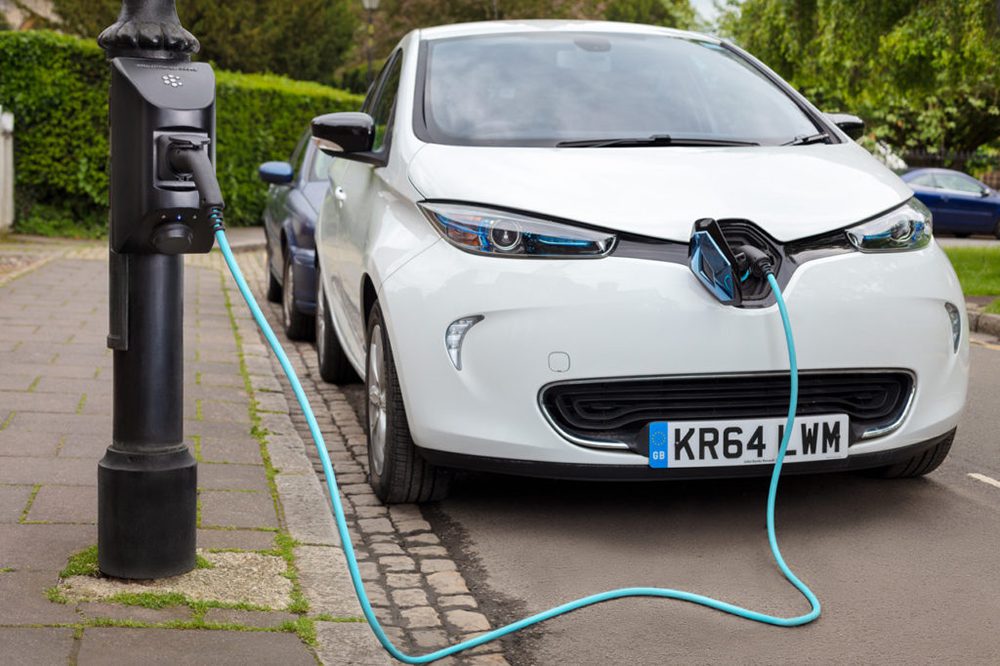
- Devon Council and char.gy are collaborating on a trial of 30 new kerbside EV charge points across the county.
- All charge points will be powered by 100% renewable electricity, supporting sustainable transport initiatives.
- The project receives crucial backing from the UK government’s Local Electric Vehicle Infrastructure (LEVI) Fund.
- This trial aims to gather vital insights for a broader rollout of on-street EV charging solutions, particularly in rural areas.
- char.gy, a prominent on-street charge point operator, manages the UK’s fourth largest network with over 5,000 public charge points.
- The initiative addresses the critical need for accessible charging options for EV owners reliant on on-street parking.
Devon, a largely rural county in the UK, is embarking on a significant initiative to bolster its electric vehicle (EV) charging infrastructure. In a collaborative effort, Devon Council has partnered with char.gy, a leading on-street charge point operator, to launch a targeted trial of new kerbside EV charge points. This project marks a crucial step in expanding accessible charging solutions for residents who rely on on-street parking, ultimately supporting the wider adoption of electric vehicles across the region.
The partnership will see the deployment of 30 innovative on-street charge points strategically located across Devon. A cornerstone of this initiative is its commitment to sustainability: all newly installed units will be powered entirely by 100% renewable electricity. This focus on green energy aligns with broader national efforts to decarbonise transport and reduce carbon footprints.
Addressing the On-Street Parking Challenge for EV Owners
For a substantial segment of the driving population, particularly in urbanised areas or dense residential districts, access to private driveways for home charging is not feasible. This demographic often relies on on-street parking, presenting a significant hurdle to transitioning to an electric vehicle. Kerbside charging, or curbside charging as it is known in other regions, emerges as a vital solution to this predicament, offering convenient and accessible charging options where drivers park their vehicles.
While kerbside chargers have become a common sight in metropolitan centres like London, their rollout in larger, more rural counties such as Devon represents a pivotal shift. This expansion is essential for ensuring that the benefits of electric mobility are accessible to all, irrespective of their geographical location or housing situation. The Devon trial is designed to specifically address the unique challenges and opportunities presented by such expansive, less densely populated areas.

Leveraging Government Support for Local Infrastructure
The char.gy and Devon Council partnership is fortified by significant support from the UK government’s Local Electric Vehicle Infrastructure (LEVI) Fund. This fund is instrumental in empowering local authorities to plan and deliver robust, widespread EV charging networks that meet the growing demand from residents and businesses. By providing financial backing, the LEVI Fund accelerates the deployment of essential infrastructure, bridging critical gaps in the existing charging landscape.
The trial phase is specifically structured to gather comprehensive data and insights. The lessons learned from the operation and utilisation of these 30 charge points will be invaluable. This evidence-based approach will then inform the subsequent, larger phases of installation, ensuring that future deployments are optimised for local needs, user experience, and overall efficiency. This strategic foresight underscores a commitment to effective and sustainable infrastructure development.
char.gy: A Key Player in UK’s Charging Network
char.gy operates an extensive network of on-street charging points, positioning itself as a significant contributor to the UK’s burgeoning EV infrastructure. The company proudly states it manages the UK’s fourth largest on-street charging network, with more than 5,000 public charge points currently in active operation. This substantial presence demonstrates char.gy’s expertise and proven track record in deploying and managing accessible EV charging solutions at scale.
Their participation in the Devon trial brings invaluable experience to the project. Their understanding of user behaviour, technological requirements, and operational logistics for on-street charging is crucial for the successful implementation and scaling of this initiative. The partnership leverages char.gy’s established capabilities to ensure the new infrastructure is reliable and user-friendly for Devon residents.
The Broader UK Charging Landscape and Rural Expansion
The expansion of EV charging infrastructure across the UK has seen remarkable growth. According to data from Zapmap, the country boasted approximately 87,000 public charging points distributed across 45,000 distinct locations as of late 2025. This significant increase highlights the rapid pace of EV adoption and the corresponding investment in supporting infrastructure. However, the distribution of these charging points has historically been skewed towards urban centres.
The Devon trial signals a deliberate and necessary pivot towards broadening this coverage. By focusing on rural counties, the initiative aims to ensure equitable access to EV charging, preventing a digital divide in electric mobility. This strategic shift is vital for achieving national EV targets and encouraging greater adoption beyond metropolitan areas, where charging options have traditionally been more abundant.
A Strategic Move Towards Widespread EV Adoption
The chief executive officer of char.gy, John Lewis, emphasised the strategic importance of this collaboration. He stated, “This trial is an important step in turning LEVI funding into real, usable infrastructure for communities. For many drivers in Devon, access to reliable on-street charging is essential to making the switch to electric. By starting with a focused trial, we can learn what works locally and help lay the foundations for a wider rollout that gives residents confidence to go electric.”
Mr. Lewis’s remarks underscore the transformative potential of the trial. It directly addresses a fundamental barrier to EV ownership for many: the perceived lack of reliable and convenient charging options. By building out accessible kerbside infrastructure, the project aims to instil greater confidence among Devon’s residents, encouraging them to make the crucial transition to electric vehicles. This confidence is a key driver for accelerating the UK’s journey towards a sustainable transport future.
The successful outcome of this trial in Devon could serve as a valuable blueprint for other rural and semi-urban regions across the UK facing similar infrastructure challenges. It demonstrates how targeted, government-supported partnerships with experienced operators can effectively translate policy into tangible, real-world solutions for EV drivers. As the UK continues its rapid shift towards electric mobility, such local initiatives are indispensable in creating a truly comprehensive and equitable charging network.
Frequently Asked Questions (FAQ)
What is kerbside EV charging?
Kerbside EV charging refers to electric vehicle charging points installed on public streets, typically integrated into existing street furniture or dedicated bollards. It provides a crucial solution for EV owners who do not have access to private driveways or garages for home charging, allowing them to charge their vehicles conveniently where they park on the street.
Who is involved in the Devon EV charger trial?
The kerbside EV charger trial in Devon is a collaborative effort between Devon Council, the local authority, and char.gy, a prominent on-street charge point operator. The project also receives significant financial and strategic support from the UK government’s Local Electric Vehicle Infrastructure (LEVI) Fund.
How many charge points will be deployed in Devon during this trial?
Initially, char.gy will deploy 30 new on-street EV charge points across Devon as part of this trial phase. The aim is to gather data and insights from this initial deployment, which will then inform and guide future, larger-scale installations across the county.
What type of electricity will power these new charge points?
A key feature of this initiative is its commitment to environmental sustainability. All 30 new on-street EV charge points installed in Devon as part of this trial will be powered by 100% renewable electricity, contributing to a greener and more sustainable transport network.
What is the purpose of the LEVI Fund?
The Local Electric Vehicle Infrastructure (LEVI) Fund is a UK government initiative designed to support local authorities in planning and delivering comprehensive electric vehicle charging networks. It provides funding and guidance to accelerate the deployment of charging infrastructure, particularly in areas where private investment might be slower.
Why is this trial important for rural areas like Devon?
This trial is particularly significant for rural counties like Devon because historically, EV charging infrastructure has been concentrated in urban areas. Expanding kerbside charging into rural settings ensures that residents without off-street parking can confidently switch to electric vehicles, fostering equitable access to sustainable transport options across the entire UK.