
Key Takeaways
- Toyota will begin deploying next-generation high-voltage hybrid batteries starting in 2024, promising improved performance and lower production costs.
- The company is on track to achieve a significant milestone, expecting global hybrid sales to surpass 5 million units by the end of 2026.
- Existing Japanese battery production lines will be converted to support the output of approximately 600,000 new hybrid packs annually.
- Beyond hybrids, Toyota is advancing its battery-electric vehicle (BEV) strategy with longer-range lithium-ion batteries due in 2027 and groundbreaking solid-state technology projected for 2027-2028.
- Despite a slight dip in overall global sales, Toyota’s electrified vehicle segment, heavily driven by hybrids, demonstrated robust growth in the first half of 2026.
Toyota Motor Corporation, a global leader in automotive innovation, is poised to introduce a new generation of high-voltage hybrid batteries in 2024. This strategic development is aimed at significantly enhancing vehicle performance while simultaneously reducing manufacturing costs, solidifying Toyota’s long-term commitment to its diverse portfolio of electrified powertrains.
The announcement, made during the company’s recent earnings call, highlights Toyota’s adaptive strategy in a rapidly evolving automotive market. With a strong focus on sustainable mobility, the automaker is recalibrating its production capabilities to meet escalating global demand for more efficient and environmentally conscious vehicles.

Advancing Hybrid Battery Technology
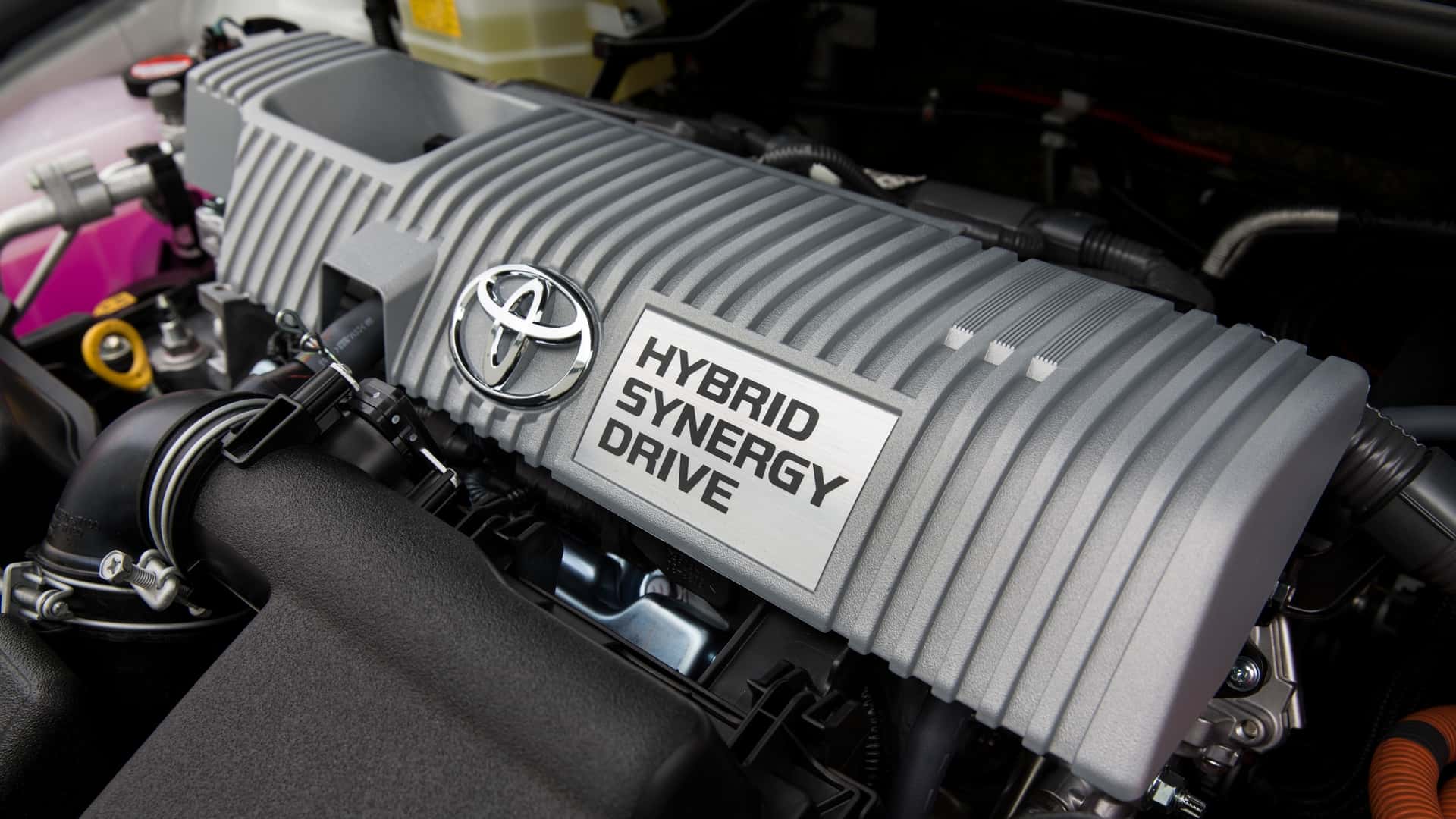
The introduction of next-generation hybrid battery technology marks a pivotal moment for Toyota. These advanced battery packs are designed to deliver superior efficiency and power output, translating into improved fuel economy and driving dynamics for future hybrid models.
Next-Generation Hybrid Packs: Performance and Cost Efficiency
Toyota’s engineering teams have focused on optimizing the balance between cutting-edge battery performance and economic viability. By developing more efficient manufacturing processes and material utilization, the company anticipates achieving lower production costs for these advanced hybrid battery units.
To support the widespread adoption of this new technology, Toyota will convert existing battery production lines in Japan. These reconfigured facilities will have the capacity to produce approximately 600,000 new hybrid battery packs annually, underscoring the scale of this initiative.

Further expansion of battery production capacity is already planned for 2027 and 2028. Takanori Azuma, Toyota’s chief accounting officer, emphasized the company’s forward-looking approach, stating, “We are expanding battery production capacity during 2027 and 2028, and we will continue our efforts to fully capture customer demand.”
The Evolution of Hybrid Power: NiMH to Lithium-ion
For decades, Toyota’s pioneering hybrid vehicles, such as the iconic Prius, primarily utilized nickel-metal hydride (NiMH) batteries. These batteries have proven exceptionally reliable and durable, contributing to Toyota’s reputation for long-lasting hybrid systems.
However, the rapid advancements in battery technology, particularly in lithium-ion (Li-ion) cells, have led to a gradual shift. Lithium-ion batteries offer a higher energy density, lighter weight, and improved performance characteristics, making them increasingly suitable for a broader range of mass-market applications.
Toyota has progressively integrated lithium-ion packs into newer hybrid models, including the acclaimed sixth-generation RAV4. While the specific chemistry of the upcoming next-generation hybrid battery remains undisclosed, this continuous evolution reflects Toyota’s commitment to leveraging the most effective battery solutions available.
Surging Demand for Toyota’s Electrified Vehicles
Despite a slight dip in its overall global sales figures, Toyota’s electrified vehicle lineup has exhibited robust growth, signifying a clear market shift towards more sustainable and fuel-efficient transportation.
Hybrid Sales Drive Electrified Growth
In the first half of 2026, Toyota’s combined global sales for its Toyota and Lexus brands saw a modest 3% decline, totaling approximately 5 million vehicles. This marked the first year-over-year decrease in two years, reflecting broader challenges in the automotive sector.
Conversely, sales of Toyota’s electrified lineup—comprising hybrids, plug-in hybrids, battery-electric vehicles, and fuel-cell vehicles—experienced a strong 9.1% year-over-year surge, reaching 2.7 million units during the same period.
Hybrids were the predominant driver of this growth, accounting for approximately 2.3 million units sold worldwide in the first six months of 2026. This impressive figure represents about 86% of Toyota’s total electrified vehicle sales, underscoring the enduring popularity and market relevance of Toyota hybrid battery technology.
Buoyed by this strong performance, the company now anticipates a historic milestone: global hybrid sales are projected to exceed 5 million units for the first time by the end of 2026.
Market Factors Fueling Hybrid Adoption
Several converging market dynamics have fueled the escalating demand for Toyota hybrid vehicles. Persistently high global gas prices, exacerbated by geopolitical factors such as the conflict in Iran, have made the economic benefits of hybrid vehicles—primarily their superior fuel efficiency—highly attractive to consumers.
In the United States, Toyota’s largest single market, regulatory shifts have also influenced consumer purchasing decisions. The rollback of certain federal tax credits and adjustments to fuel economy norms have, in some instances, reset the growth trajectory for pure battery-electric vehicles while simultaneously boosting the appeal and adoption rates of hybrids.
Toyota’s strategic product decisions have further capitalized on this trend. The automaker recently made two of its top-selling models, the Camry and RAV4, available exclusively as hybrids in specific configurations, demonstrating confidence in the sustained market appeal of this proven technology.
Toyota’s Ambitious EV Battery Roadmap
While reinforcing its leadership in hybrid technology, Toyota is also making significant strides in its battery-electric vehicle (BEV) segment. The company has outlined an ambitious roadmap for next-generation EV battery technology, aiming to address key consumer concerns like range anxiety and charging times.
Boosting Battery-Electric Vehicle Sales
Toyota’s worldwide battery-electric vehicle sales have shown robust expansion, with 193,000 units sold in the first half of 2023. This represents a remarkable 135% year-over-year growth, indicating a burgeoning consumer interest in Toyota’s evolving EV offerings.
The company remains focused on enhancing its BEV battery technology to meet the rigorous demands of the competitive electric vehicle market.
Long-Range Lithium-ion Innovations
For its upcoming battery-electric vehicles, Toyota is developing advanced lithium-ion batteries that are slated for introduction in 2027. These next-generation Li-ion packs are projected to deliver an impressive range of up to 621 miles (1,000 kilometers) under the optimistic WLTP test cycle. Translated to the stricter EPA standard prevalent in North America, this would equate to just over 500 miles of practical driving range.
Such a substantial increase in range would position Toyota’s future EVs as highly competitive contenders, directly addressing one of the primary considerations for potential electric vehicle owners.
The Promise of Solid-State Technology
Beyond advanced lithium-ion, Toyota is heavily investing in the development of solid-state batteries. This potentially transformative technology promises significant breakthroughs in EV performance, particularly regarding charging speed and energy density.
The automaker anticipates that its solid-state batteries will be capable of ultra-fast charging, enabling a recharge from 10% to 80% in under 10 minutes. These revolutionary batteries are targeted for market introduction between 2027 and 2028, contingent upon achieving critical production breakthroughs and scaling manufacturing capabilities.
Enhancing Competitiveness in a Dynamic Market
Toyota executives have openly acknowledged the ongoing imperative to enhance the competitiveness of their electric vehicle offerings. This recognition comes in light of the rapid technological advancements emanating from other global markets, particularly China, which has emerged as a significant player in the EV space.
During the earnings call, Takanori Azuma articulated this strategic focus, stating, “Going forward, we need to enhance the competitiveness of not only conventional vehicles but also BEVs.” This statement underscores a holistic approach to product development, ensuring Toyota remains at the forefront across all segments of the automotive industry.
The company is committed to fostering robust collaborations to achieve its ambitious goals. Azuma further elaborated on this strategy, adding, “We intend to work closely with our local partners, including through joint development, to strengthen our competitiveness.” This collaborative model is expected to accelerate innovation and tailor products more effectively to diverse regional market needs, thereby reinforcing Toyota’s global market position and leadership in Toyota hybrid battery technology.
Frequently Asked Questions (FAQ)
When will Toyota’s next-generation hybrid batteries be available?
Toyota is scheduled to begin rolling out its next-generation high-voltage hybrid batteries starting next year, in 2024. These new battery packs are designed to offer enhanced performance and improved cost efficiency for their hybrid vehicle lineup.
What improvements do the new hybrid batteries offer?
The upcoming hybrid batteries are expected to provide better overall performance and will be produced at a lower cost. This strategic development aims to make Toyota’s hybrid vehicles even more competitive and accessible to a broader consumer base globally.
What is Toyota’s sales outlook for hybrids?
Toyota anticipates a significant milestone in hybrid sales. The company projects that global hybrid vehicle sales will exceed 5 million units for the first time by the end of 2026, driven by strong market demand and strategic product offerings.
How is Toyota addressing battery-electric vehicles (BEVs)?
For BEVs, Toyota is developing advanced lithium-ion batteries expected by 2027, offering over 500 miles (EPA) of range. Furthermore, groundbreaking solid-state batteries, promising 10-80% charge in under 10 minutes, are targeted for arrival between 2027 and 2028.
Why are hybrids seeing increased sales?
Increased hybrid sales are attributed to several factors, including high global gas prices, the strategic decision to make popular models like the Camry and RAV4 hybrid-only in some markets, and shifts in U.S. federal tax credit and fuel economy policies which have spurred hybrid adoption.
What is the status of Toyota’s solid-state battery development?
Toyota is actively developing solid-state batteries, which hold immense potential for ultra-fast charging and improved energy density in EVs. While still in development, the company targets their introduction between 2027 and 2028, pending production breakthroughs.