
Key Takeaways
- Toyota is set to introduce a new generation of high-voltage hybrid batteries starting in 2024, aiming for improved performance and lower production costs.
- The automotive giant is converting existing Japanese production lines to manufacture these advanced packs, targeting capacity for approximately 600,000 vehicles.
- Toyota anticipates surpassing 5 million global hybrid sales for the first time by the end of 2026, driven by strong demand and strategic shifts in its product lineup.
- The company is also vigorously developing next-generation lithium-ion batteries for Battery Electric Vehicles (BEVs), promising extended ranges, and is pursuing breakthrough solid-state battery technology for ultra-fast charging.
- Despite robust growth in electrified vehicle sales, Toyota acknowledges the need to enhance BEV competitiveness, particularly against emerging models from China.
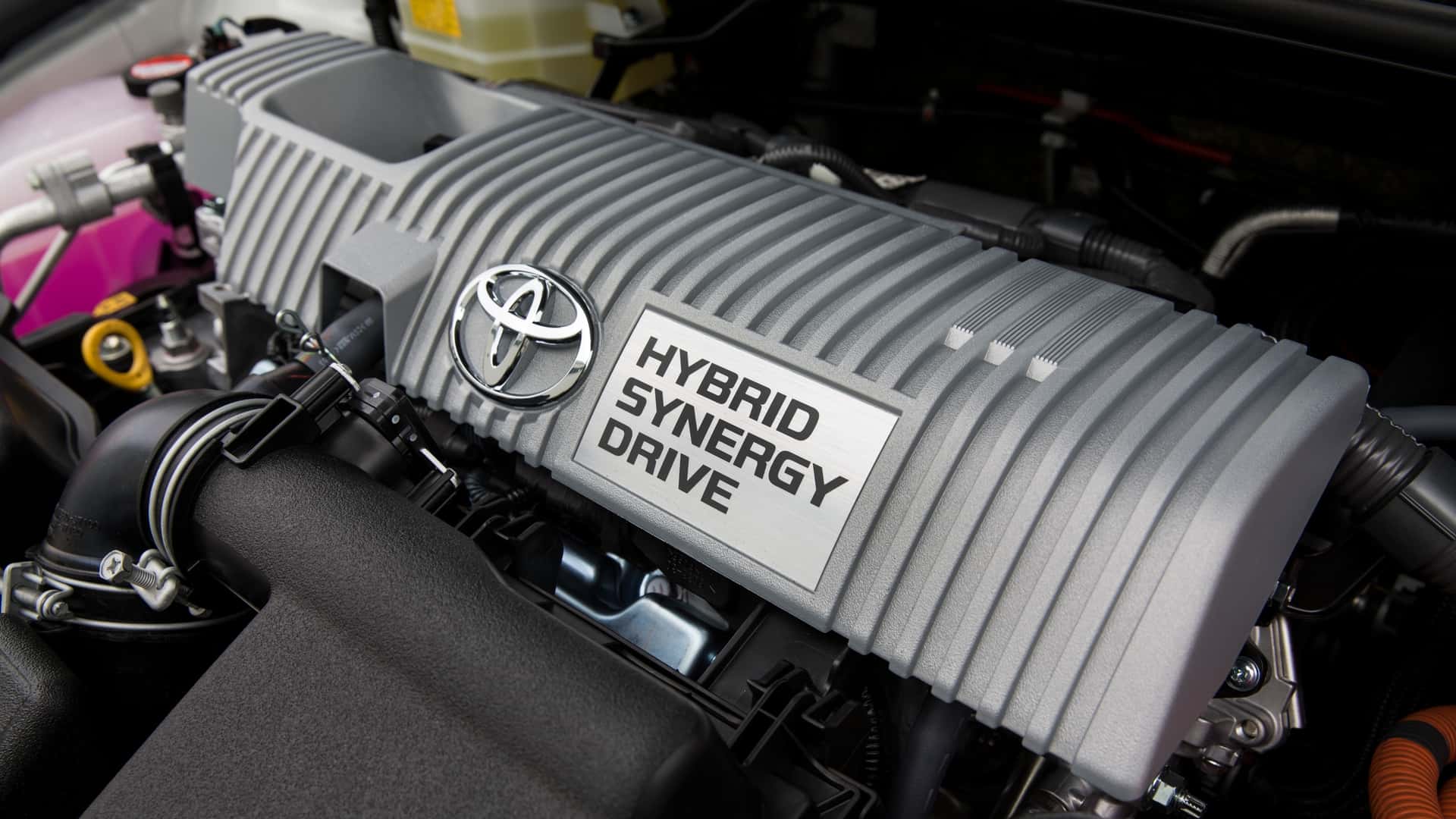
Toyota, a global leader in automotive innovation, is poised to usher in a new era of electrified mobility with the rollout of its next-generation hybrid batteries. These advanced power packs, slated for introduction in 2024, are engineered to deliver superior performance while simultaneously reducing manufacturing costs, a crucial step in democratizing hybrid technology.
The strategic announcement, made during the company’s recent earnings call, underscores Toyota’s continued commitment to its diverse electrification strategy. This move comes as the automaker projects a significant milestone, expecting to sell over 5 million hybrid vehicles globally this year for the first time ever.

Revolutionizing Hybrid Technology with Next-Generation Batteries
Beginning next year, Toyota will initiate the deployment of its next-generation hybrid batteries. This significant technological leap aims to enhance the efficiency and appeal of its hybrid vehicle lineup across international markets.
To facilitate this transition, the company is undertaking a substantial conversion of its existing battery production lines within Japan. These retooled facilities will possess the capacity to produce enough of the new packs for approximately 600,000 vehicles annually, signaling a robust investment in future hybrid production.
Takanori Azuma, Toyota’s chief accounting officer, affirmed the company’s aggressive expansion plans during a recent investor call. “We are expanding battery production capacity during 2027 and 2028, and we will continue our efforts to fully capture customer demand,” Azuma stated, highlighting the long-term vision behind these investments.

Evolution of Hybrid Battery Chemistry
Historically, Toyota’s pioneering hybrid vehicles have predominantly relied on nickel-metal hydride (NiMH) batteries. These NiMH packs have earned a reputation for exceptional reliability and longevity over decades of use in models like the Prius.
However, the automotive industry has witnessed rapid advancements in battery chemistry. Toyota has progressively shifted towards lithium-ion (Li-ion) batteries in its more recent hybrid offerings, including the sixth-generation RAV4. Lithium-ion technology offers advantages such as higher energy density, lighter weight, and improved overall performance, making them increasingly suitable for mass-market applications.
While Toyota has yet to specify the precise chemistry of its new generation hybrid battery—whether it represents a refined version of current lithium-ion technology or an entirely new innovation—the intensified focus on boosting hybrid battery production capacity is a clear strategic imperative.
Surging Global Hybrid Sales and Market Dynamics
Toyota’s decision to double down on hybrid battery technology is strategically sound, especially in light of recent market trends. The company reported a 3% decline in overall global sales, including Toyota and Lexus models, to approximately 5 million vehicles during the January-June period, marking the first such dip in two years.
Conversely, the performance of Toyota’s electrified lineup has demonstrated remarkable resilience and growth. Sales of hybrids, plug-in hybrids (PHEVs), battery-electric vehicles (BEVs), and fuel-cell vehicles (FCEVs) collectively surged by 9.1% year-over-year, reaching 2.7 million units in the first half of 2026.
Hybrids remain the dominant force within this electrified portfolio. Toyota successfully sold roughly 2.3 million hybrid vehicles worldwide during the first six months of the year. This impressive figure accounts for approximately 86% of the company’s total electrified vehicle sales, underscoring the widespread consumer acceptance and demand for hybrid models.
Based on this robust performance, Toyota now confidently anticipates that its global hybrid sales will exceed the 5 million-unit mark for the first time by the close of 2026. This projection highlights the pivotal role of hybrid vehicles in the company’s immediate and medium-term growth strategy.
Factors Driving Hybrid Adoption
Several convergent factors are fueling the global surge in hybrid vehicle adoption. Elevated global fuel prices, partly attributed to the war in Iran, have spurred consumers worldwide to seek more fuel-efficient transportation options.
In the United States, which constitutes Toyota’s largest market, policy adjustments have subtly reshaped the electrified vehicle landscape. The rollback of certain federal tax credits and evolving fuel economy norms have, in some segments, recalibrated the pace of Battery Electric Vehicle (BEV) growth, thereby stimulating greater interest in hybrids.
Furthermore, Toyota’s own product strategy has played a crucial role. The company recently made two of its top-selling models, the popular Camry sedan and the versatile RAV4 SUV, available exclusively as hybrids in select configurations, catering directly to the burgeoning demand for efficient and reliable vehicles.
Advancements in Battery Electric Vehicle (BEV) Technology
Beyond its robust hybrid strategy, Toyota is simultaneously accelerating its efforts in the pure Battery Electric Vehicle (BEV) segment. The company has recorded significant strides in this area, with worldwide BEV sales experiencing robust growth of 135% year-over-year, totaling 193,000 units in the first half of the year.
Toyota is diligently progressing with its next-generation battery development for BEVs. The automaker has previously announced plans for new lithium-ion batteries, expected by 2027, that are projected to deliver an impressive range of up to 621 miles (1,000 kilometers) on the optimistic WLTP test cycle. This translates to just over 500 miles under the more stringent EPA standard, promising a substantial improvement in long-distance electric travel.
The Promise of Solid-State Batteries
Looking further into the future, Toyota is also heavily invested in the development of solid-state batteries. This cutting-edge technology holds the promise of revolutionizing BEV performance, particularly in charging speed.
The company projects that these solid-state batteries will be capable of ultra-rapid charging, allowing a vehicle to replenish its charge from 10% to 80% in under 10 minutes. While still in advanced development, these groundbreaking batteries are anticipated to become commercially viable between 2027 and 2028, contingent upon achieving critical production breakthroughs.
Navigating the Competitive Landscape
Despite its significant advancements and strong sales figures in electrified vehicles, Toyota executives acknowledge the intensely competitive global automotive landscape. The rapid evolution of Battery Electric Vehicle technology, particularly from manufacturers in China, presents new challenges.
On the earnings call, Toyota leadership highlighted the imperative for continuous improvement across its entire vehicle portfolio. “Going forward, we need to enhance the competitiveness of not only conventional vehicles but also BEVs,” Azuma stated, emphasizing a holistic approach to market leadership.
Toyota’s strategy involves fostering closer collaborations and joint development initiatives with its local and international partners. “We intend to work closely with our local partners, including through joint development, to strengthen our competitiveness,” Azuma concluded, signaling a proactive approach to maintaining its position in the rapidly transforming global automotive industry.
Frequently Asked Questions (FAQ)
When will Toyota’s next-generation hybrid batteries be available?
Toyota plans to begin rolling out its next-generation high-voltage hybrid batteries starting in 2024. This marks a significant step in the company’s ongoing efforts to enhance the performance and cost-efficiency of its diverse hybrid vehicle lineup.
How many vehicles will the new battery production lines support?
Toyota is converting existing production lines in Japan to manufacture these new hybrid battery packs. These upgraded facilities will have the capacity to produce batteries for approximately 600,000 vehicles annually, indicating a substantial scale of production.
What are Toyota’s projections for global hybrid sales?
Toyota expects its global hybrid sales to exceed 5 million units for the first time by the end of 2026. This forecast reflects strong consumer demand and the company’s strategic emphasis on hybrid technology as a key component of its electrification strategy.
Is Toyota developing new batteries for Battery Electric Vehicles (BEVs) as well?
Yes, Toyota is actively developing next-generation batteries for its BEVs. The company anticipates introducing new lithium-ion batteries by 2027, which are projected to offer up to 621 miles (1,000 km) of range on the WLTP cycle.
What is Toyota’s progress on solid-state batteries?
Toyota is also heavily invested in developing solid-state batteries, which promise ultra-fast charging capabilities (10% to 80% in under 10 minutes). These advanced batteries are expected to arrive between 2027 and 2028, pending crucial production breakthroughs.
Why is Toyota focusing on both hybrids and BEVs?
Toyota maintains a dual-pronged electrification strategy, recognizing that hybrids serve as an immediate, practical solution for emissions reduction and fuel efficiency, while BEVs represent the long-term future. This approach allows them to cater to diverse market needs and regulatory environments globally.
What factors are driving the recent growth in hybrid sales?
Growth in hybrid sales is fueled by several factors, including higher global fuel prices, shifts in federal tax credit policies for EVs in some markets, and Toyota’s strategic move to offer popular models like the Camry and RAV4 as hybrid-only options.