
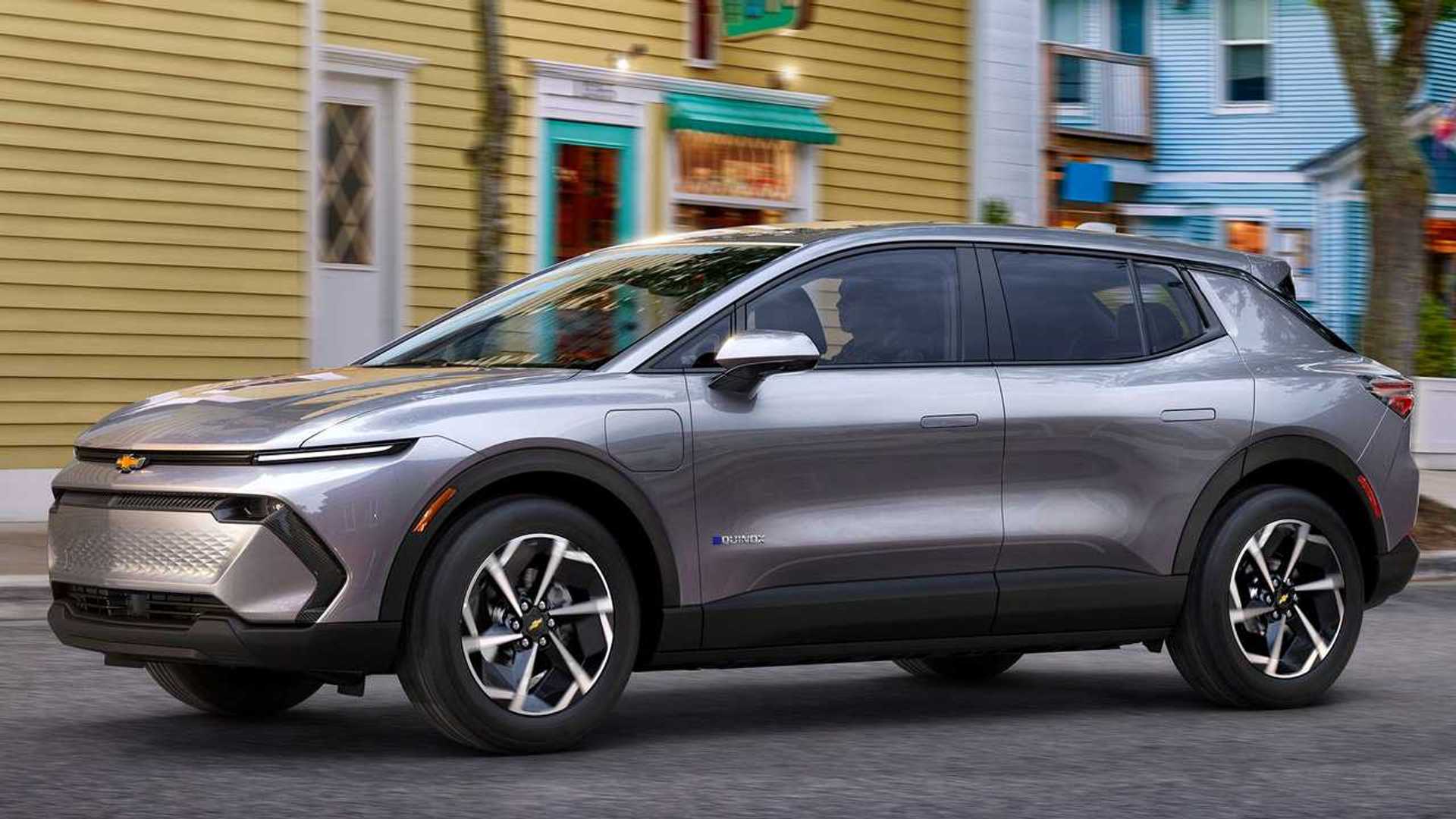
Beginning January 2024, the United States is set to significantly enhance the accessibility of electric vehicle (EV) tax credits, transforming them from a delayed refund into an immediate discount. This shift, confirmed through discussions with U.S. Treasury officials, will allow buyers of new and used clean vehicles to apply the credit directly at the point of sale, potentially lowering the upfront cost of EVs substantially.
Evolution of EV Tax Credits
Tax credits for purchasing electric and plug-in hybrid vehicles have been available to U.S. consumers for over a decade, offering up to $7,500. However, the landscape changed with the Inflation Reduction Act (IRA) in January 2023. The IRA introduced stricter requirements, including North American assembly and specific battery component sourcing, which led to many vehicles no longer qualifying. Furthermore, the act imposed Manufacturer’s Suggested Retail Price (MSRP) caps—$55,000 for sedans and $80,000 for trucks and SUVs—and introduced income limitations for buyers: $300,000 for joint filers, $225,000 for heads of household, and $150,000 for single filers for new vehicles. Used vehicle buyers faced similar MSRP caps ($25,000) and lower income limits ($150,000 joint, $112,500 head-of-household, $75,000 single).

A key limitation of the previous credit structure was its non-refundable nature. This meant buyers could only deduct the credit amount up to their total tax liability. For individuals with lower tax burdens, this often resulted in them not being able to utilize the full credit amount, a situation expected to be remedied by the upcoming changes.
Key Changes for 2024
The most impactful change starting January 2024 is the point-of-sale transferability of the EV tax credit. Dealerships that register with the IRS Energy Credits Online platform can offer these credits as immediate discounts. This means a consumer eligible for a $7,500 credit could see the price of their new EV reduced by that amount at the time of purchase, regardless of their personal tax liability. The dealership would then be reimbursed by the IRS within approximately 72 hours.
This new system benefits consumers who previously could not take full advantage of the credit due to lower tax obligations. However, it’s important for buyers to remain aware of the income caps. Individuals whose income exceeds the thresholds by the end of the tax year in which they claim the credit will be required to repay the full incentive amount to the IRS.

To qualify for the new vehicle credit, models must still undergo final assembly in North America, meet battery capacity requirements (minimum 7 kWh), and adhere to critical mineral and battery component sourcing rules. Vehicles with an MSRP exceeding the respective caps will not qualify.
Eligible New Vehicles and Credit Amounts (as of initial reporting)
Vehicles with a $55,000 MSRP Cap:
- Chevrolet Bolt EV: $7,500
- Chevrolet Bolt EUV: $7,500
- Chevrolet Equinox EV: $7,500
- Tesla Model 3: $7,500
Vehicles with an $80,000 MSRP Cap:
- Cadillac Lyriq: $7,500
- Chevrolet Blazer EV: $7,500
- Chevrolet Silverado EV: $7,500
- Chrysler Pacifica: $7,500
- Corsair Grand Touring: $3,750
- Ford E-Transit: $3,750
- Ford Escape: $3,750
- Ford F-150 Lightning: $7,500
- Ford Mustang Mach-E: $3,750
- Jeep Grand Cherokee 4xe: $3,750
- Lincoln Aviator Grand Touring: $7,500
- Rivian R1S: $3,750
- Rivian R1T: $3,750
- Tesla Model X Long Range: $7,500
- Tesla Model Y: $7,500
- Volkswagen ID.4: $7,500
- X5 xDrive50e 2024: $3,750
Used Clean Vehicle Credit
For used EVs, plug-in hybrids, or fuel cell vehicles, the credit is up to $4,000. These vehicles must have a battery size of at least 7 kWh, be at least two model years old, and be sold for under $25,000. Importantly, the vehicle must not have been previously transferred to a qualified buyer after August 16, 2022, to be eligible for the credit.
Prospective buyers can utilize tools like Recurrent’s EV Qualification Tool to determine a used vehicle’s eligibility for the tax credit.
Potential for Enhanced Savings
A notable aspect of the updated rules involves a potential loophole for leasing. Consumers can lease an EV, have the credit incorporated into the lease payments (regardless of manufacturing location), and then potentially buy out the vehicle at the lease’s end for under $25,000. This could allow them to claim the $4,000 used EV credit, effectively resulting in combined savings of up to $11,500 on certain vehicles.
The transition to point-of-sale EV tax credits represents a significant enhancement for consumers, aiming to boost EV adoption by making clean vehicles more financially accessible from the outset.
Frequently Asked Questions
I’m buying an EV and have a tax burden of less than the credit amount. Will I have to repay the IRS come tax season?
No. With the new point-of-sale credit, you can receive the full benefit regardless of your tax burden. Any credit amount exceeding your tax liability will be handled through the dealership’s reimbursement process.
What happens if my income exceeds the limit after I receive a point-of-sale tax credit that year?
If your income surpasses the applicable thresholds for the tax year in which you claim the credit, you will be required to repay the full incentive amount to the IRS.
If I buy an EV that has a starting MSRP of under the cap but goes above it with options, would I still get the credit?
No. The final MSRP of the vehicle, including all options and packages, must remain below the applicable cap ($55,000 for sedans, $80,000 for trucks/SUVs) to qualify for the credit.