
Key Takeaways (TL;DR)
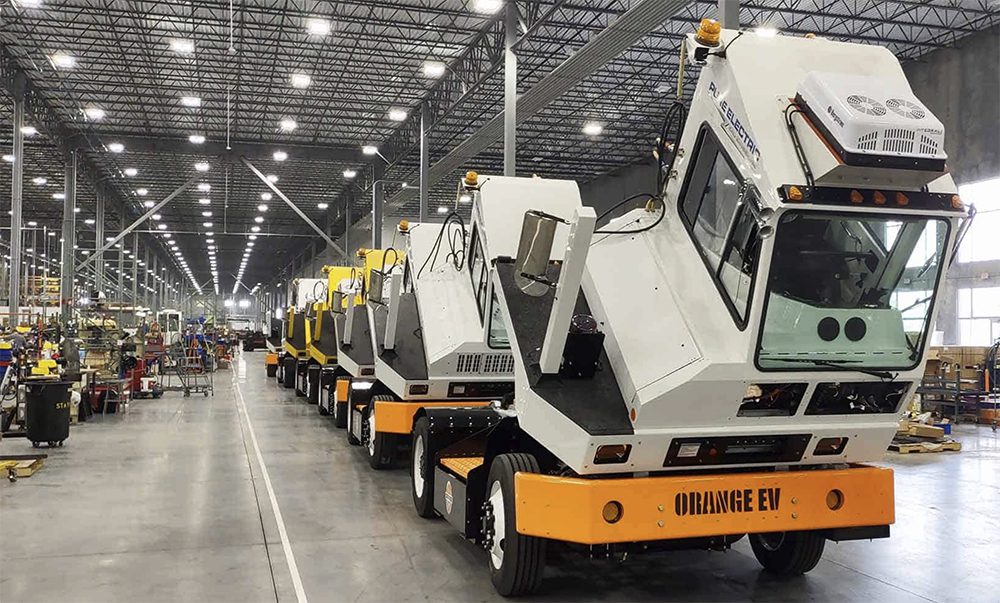
- APM Terminals Elizabeth has placed one of Orange EV’s largest orders to date for 96 HUSK-e XP electric terminal tractors.
- This significant procurement underscores a broader industry shift from pilot testing to large-scale standardization of electric terminal tractors across major U.S. ports.
- The ordered units are compliant with the Build America, Buy America Act (BABA) and feature a robust 310 kWh lithium iron phosphate (LFP) battery, designed for heavy port operations.
- Orange EV, with over 2,000 electric trucks in service, continues to demonstrate a strong business case for electrification, aligning environmental benefits with operational efficiencies.
- The move by APM Terminals Elizabeth follows similar substantial orders from other major port operators, signaling a decisive industry transition to zero-emission cargo handling.
**APM Terminals Elizabeth, a pivotal hub in the East Coast’s logistics network, has announced a monumental order for 96 advanced electric terminal tractors from Orange EV. This landmark acquisition represents one of the largest sales to date for Orange EV, a leading manufacturer in commercial electric vehicles, and signals a definitive shift towards zero-emission operations within the maritime logistics sector.**

The procurement of these 96 HUSK-e XP units from Orange EV is not merely an upgrade; it’s a strategic investment reflecting a growing industry consensus on the viability and necessity of electrifying port infrastructure. The decision by APM Terminals Elizabeth to commit to such a large fleet of electric terminal tractors highlights an accelerated transition away from traditional diesel-powered yard equipment.
Pioneering the Electric Terminal Tractor Revolution
Orange EV’s success in the burgeoning commercial EV market stands in stark contrast to many startups that have faltered. The company’s calculated approach began with identifying a niche application perfectly suited for electrification: terminal trucks, colloquially known as yard dogs. These vehicles operate within confined spaces, typically at lower speeds, and often follow predictable routes, making them ideal candidates for electric powertrains.
Through years of meticulous piloting and validation, Orange EV has diligently executed its vision. This focused strategy has culminated in a remarkable achievement: approximately 2,000 electric terminal tractors currently in service across various logistics operations. This extensive fleet demonstrates the proven reliability and performance of Orange EV’s solutions, building robust E-E-A-T signals through practical, real-world deployment.

Expanding Green Fleets Across US Ports
The order from APM Terminals Elizabeth is the latest in a series of significant procurements by major port operators. Earlier this summer, APM Terminals Los Angeles (Pier 400), after a successful year-long rental pilot involving 20 electric terminal tractors, placed a follow-up order for an additional 40 units. This expanded its electric fleet to a total of 60 trucks, showcasing a clear progression from testing to full-scale adoption.
Similarly, Greenwich Terminals, the operator of the Packer Avenue Marine Terminal in South Philadelphia, recently finalized a deal for two dozen Orange EV electric terminal tractors. These successive orders from prominent port facilities underscore a robust and accelerating trend toward fleet-wide electrification across vital maritime trade gateways on both the East and West Coasts.
“These deals reflect the same shift taking hold at ports on both coasts: electrification of yard trucks is no longer just being tested—it’s being scaled,” stated Orange EV, emphasizing the widespread recognition of electric terminal tractors as a mainstream solution. The operational data gathered from these deployments provides compelling evidence for this rapid transition.
Advanced Technology for Demanding Port Operations
The 96 HUSK-e XP units destined for APM Terminals Elizabeth are purpose-built to withstand the rigorous demands of heavy port and terminal operations. Each electric terminal tractor is engineered with the capability to move a combined weight of up to 180,000 lbs, showcasing robust power suitable for shifting massive cargo loads efficiently and quietly.
A critical component of these high-performance electric terminal tractors is their advanced battery system. Each unit is equipped with a 310 kWh lithium iron phosphate (LFP) battery, which represents the largest available pack in the Orange EV lineup. LFP battery technology is renowned for its enhanced safety, longer cycle life, and improved thermal stability compared to other lithium-ion chemistries, making it an ideal choice for heavy-duty, continuous-use applications like port logistics.
Compliance with Build America, Buy America Act (BABA)
A significant aspect of this order is the compliance of the HUSK-e XP units with the Build America, Buy America Act (BABA) requirements. These regulations mandate that federally funded infrastructure projects and public procurements prioritize American-made goods, materials, and manufactured products. By adhering to BABA standards, Orange EV not only supports domestic manufacturing but also ensures that the production of these electric terminal tractors contributes to local economies.
The manufacturing process for these BABA-compliant electric terminal tractors will take place at Orange EV’s state-of-the-art production facility located in Kansas City, Kansas. This domestic manufacturing base further reinforces the strategic value and economic impact of this large-scale electrification initiative.
The Inflection Point in Port Electrification
Kurt Neutgens, CEO of Orange EV, articulated the significance of these developments, noting, “evidence of an inflection point in ports, as operators move past the pilot and testing phase to standardize around Orange EV’s turnkey solution. Many port operators are accelerating because the Orange EV real-world data shows the business case for electrification and the environmental case align.”
This statement underscores a crucial convergence: the environmental imperative to reduce emissions is now seamlessly aligning with a compelling business case for electrification. Electric terminal tractors offer numerous operational advantages, including significantly lower fuel costs (electricity versus diesel), reduced maintenance due to fewer moving parts, and enhanced operator comfort thanks to quieter operation and no exhaust fumes.
Beyond the immediate cost savings, the adoption of electric terminal tractors contributes substantially to local air quality improvements, a critical concern for communities surrounding busy ports. This shift not only aids in achieving ambitious sustainability targets but also positions ports as leaders in adopting clean energy technologies.
The Future of Sustainable Logistics
The consistent increase in orders for electric terminal tractors from major port operators like APM Terminals Elizabeth highlights a clear trajectory for the future of logistics. The industry is moving decisively towards a model of sustainable, efficient, and technologically advanced cargo handling. As global trade continues to expand, the demand for greener, more efficient port operations will only intensify.
The commitment to high-capacity, domestically manufactured electric terminal tractors equipped with advanced battery technology signals a robust investment in infrastructure that is future-proof and environmentally responsible. This foundational shift is poised to redefine operational paradigms across the logistics and supply chain sectors, making port environments cleaner, quieter, and more economically sustainable for decades to come.
Source: Orange EV
Frequently Asked Questions (FAQ)
What are electric terminal tractors?
Electric terminal tractors, often called yard spotters or yard dogs, are heavy-duty electric vehicles specifically designed for moving semi-trailers and cargo containers within the confines of shipping yards, ports, and distribution centers. They are replacing traditional diesel-powered versions to reduce emissions and operational costs, playing a crucial role in modernizing logistics.
What makes Orange EV a leader in this market?
Orange EV has carved out a leading position by focusing exclusively on electric terminal tractors, identifying this application as ideal for electrification. Their strategy involved extensive piloting and robust execution, resulting in a proven fleet of over 2,000 units in service. This expertise and real-world data demonstrate their vehicles’ reliability and strong business case.
What is the Build America, Buy America Act (BABA) compliance?
The Build America, Buy America Act (BABA) mandates that projects receiving federal financial assistance must use iron, steel, manufactured products, and construction materials that are produced in the United States. For the APM Terminals Elizabeth order, BABA compliance means Orange EV’s electric terminal tractors are manufactured domestically, supporting American jobs and industries.
What are the benefits of Lithium Iron Phosphate (LFP) batteries in electric terminal tractors?
LFP batteries, like the 310 kWh pack in Orange EV’s units, offer several advantages for heavy-duty applications. They are known for their enhanced safety, longer cycle life, and better thermal stability compared to other lithium-ion chemistries. This makes them highly reliable and durable for the demanding, continuous operations required in port and terminal environments.
Why are ports rapidly electrifying their fleets with electric terminal tractors?
Ports are accelerating electrification due to a confluence of environmental and economic factors. Electric terminal tractors eliminate tailpipe emissions, improving local air quality. Economically, they offer lower fuel costs, reduced maintenance expenses, and often benefit from government incentives. This alignment of environmental and business benefits drives widespread adoption and standardization.
What is the significance of APM Terminals Elizabeth’s 96-unit order?
The order for 96 electric terminal tractors by APM Terminals Elizabeth is one of Orange EV’s largest sales, marking a significant milestone. It signifies a decisive move beyond pilot testing to large-scale fleet standardization, demonstrating strong confidence in the technology and its benefits. This procurement contributes substantially to the overall decarbonization of port operations.