
Key Takeaways
- Denver Public Schools has significantly expanded its electric school bus fleet, adding 25 new Blue Bird Vision e-buses, bringing the total to 28.
- The district has deployed a cutting-edge 650-kilowatt Kempower DC fast charging system at its Hilltop Bus Terminal.
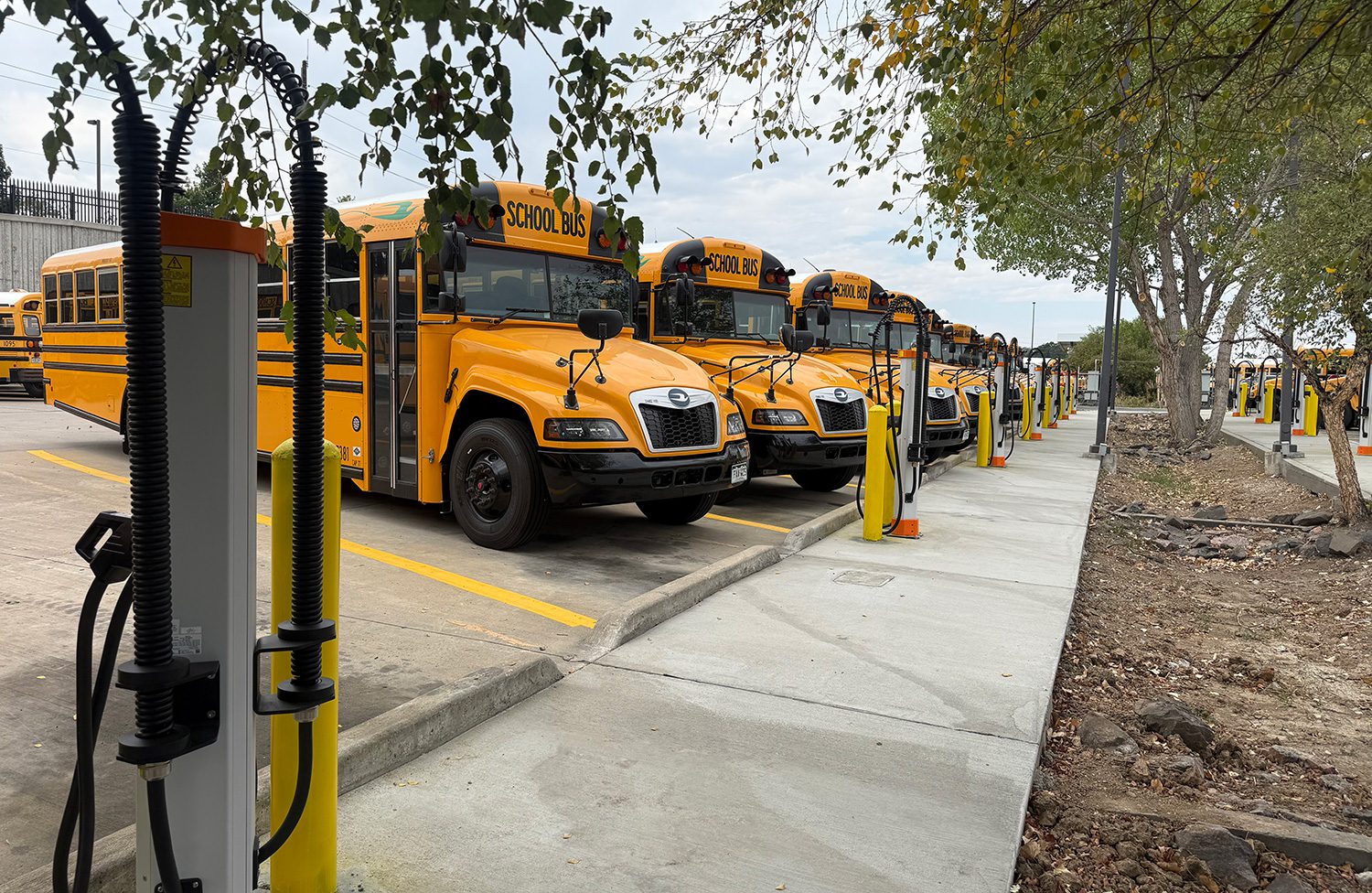
- This robust charging infrastructure features 13 dual-port Kempower Satellite dispensers, enabling simultaneous charging for 26 vehicles.
- The system utilizes dynamic power distribution, optimizing energy use and ensuring buses are consistently charged for daily routes.
- Electrical solutions provider Winn-Marion led the project, with PowerFlex contributing smart charging and energy management expertise.
DENVER, CO – August 26, 2026 – In a significant stride towards sustainable student transportation, Denver Public Schools (DPS) has substantially expanded its electric school bus fleet, complemented by the deployment of advanced DC fast charging infrastructure provided by Kempower.
The district recently integrated 25 new Blue Bird Vision electric school buses into its operations, elevating its total count of e-buses to 28. This move underscores DPS’s commitment to modernizing its fleet and reducing its environmental footprint.

Strategic Charging Infrastructure at Hilltop Terminal
To support this growing fleet, Denver Public Schools selected Kempower, a leading name in electric vehicle charging solutions, to furnish the necessary DC fast charging capabilities. The state-of-the-art infrastructure has been installed at the district’s Hilltop Bus Terminal, a critical hub for its daily transportation services.
The entire project was meticulously managed and executed by Winn-Marion, a seasoned electrical solutions provider known for its expertise in complex energy deployments.
Kempower’s Distributed Charging System Unpacked
The Hilltop Bus Terminal now boasts a powerful Kempower distributed charging system. This robust setup offers an impressive total power output of 650 kilowatts, designed to efficiently manage the charging needs of a large electric school bus fleet.

A key feature of this infrastructure is its array of 13 dual-port Kempower Satellite dispensers. These units collectively provide 26 individual charging plugs, enabling a significant portion of the fleet to charge concurrently.
The system’s intelligence lies in its dynamic power distribution capability. This feature allows the available power to be intelligently allocated across multiple vehicles, optimizing charging speeds and ensuring that all buses are sufficiently charged and prepared for their demanding daily schedules.
Monil Malhotra, President of Kempower North America, highlighted the operational imperatives behind such deployments. “Electrifying a school bus fleet requires charging infrastructure that works around the realities of daily transportation schedules,” Malhotra stated.
He further added, “Kempower technology keeps electric school buses charged, ready, and on the road, helping Denver Public Schools deliver reliable, cleaner transportation for students every day.” This statement underscores the critical role of responsive and reliable charging in maintaining efficient fleet operations.
Collaborative Success: Partners in Electrification
The successful implementation of this extensive electric school bus charging infrastructure is a testament to effective collaboration between multiple stakeholders. Winn-Marion played a pivotal role as the project leader, ensuring seamless integration and deployment.
Jim Hussey, Electrification Solutions Specialist at Winn-Marion, expressed his satisfaction with the project’s execution. “We couldn’t be more pleased with the entire team’s performance on this project,” Hussey remarked.
He specifically praised the involved parties, stating, “Denver Public Schools is a smart, organized group, Kempower has been highly supportive from day one, and PowerFlex (formerly The Mobility House) has proven to be an outstanding partner in the smart charging and energy management space.”
The Role of Smart Charging and Energy Management
The integration of PowerFlex’s expertise in smart charging and energy management is crucial for a project of this scale. Such systems are vital for optimizing energy consumption, managing demand charges, and ensuring grid stability, especially with a large number of high-power chargers operating simultaneously.
Smart charging solutions help school districts like DPS maximize the utility of their electric vehicle charging infrastructure, reducing operational costs and enhancing overall efficiency by intelligently scheduling charging sessions.
Broader Impact and National Footprint
The deployment at Denver Public Schools represents another significant milestone for Kempower in the burgeoning electric school bus sector. The company’s solutions are not only powering fleets in Colorado but are also instrumental in supporting electric school bus charging depots across various other regions.
Kempower’s charging technologies are currently operational in locations such as Quebec, Louisiana, Kansas, Massachusetts, Indiana, and Wisconsin. This expansive reach highlights the increasing adoption of electric school buses nationwide and the growing demand for robust, reliable electric school bus charging infrastructure.
The shift towards electric school buses by districts like DPS is driven by multiple factors, including environmental benefits such as reduced emissions, improved air quality for students and communities, and potential long-term operational cost savings through lower fuel and maintenance expenses. Such initiatives align with broader national goals for sustainable transportation and public health.
The electrification of school bus fleets represents a vital step towards a cleaner, more sustainable future for public transport. With advanced electric school bus charging infrastructure from providers like Kempower, school districts are well-equipped to manage the transition efficiently and reliably, ensuring a consistent and environmentally friendly service for students.
Frequently Asked Questions (FAQ)
What is the total number of electric school buses in the Denver Public Schools fleet after this expansion?
With the recent addition of 25 new Blue Bird Vision electric school buses, Denver Public Schools now operates a total of 28 electric school buses, marking a substantial increase in its sustainable transport capabilities.
What type of charging infrastructure has Denver Public Schools deployed for its electric bus fleet?
Denver Public Schools has deployed a Kempower DC fast charging system at its Hilltop Bus Terminal. This system offers a total power of 650 kilowatts and features 13 dual-port Kempower Satellite dispensers, providing 26 charging plugs.
How does Kempower’s dynamic power distribution benefit the school bus fleet?
Kempower’s dynamic power distribution system intelligently allocates available power across multiple vehicles. This ensures optimal charging speeds, maximizes the efficiency of the electric school bus charging infrastructure, and guarantees buses are always ready for their daily routes, enhancing operational reliability.
Which companies were involved in the deployment of this charging infrastructure project?
The project was led by electrical solutions provider Winn-Marion. Kempower supplied the DC fast charging technology, and PowerFlex (formerly The Mobility House) contributed its expertise in smart charging and energy management solutions to the deployment.
Where else has Kempower’s electric school bus charging infrastructure been deployed?
Beyond Denver, Kempower solutions are actively powering electric school bus charging depots in several other locations. These include Quebec in Canada, and U.S. states such as Louisiana, Kansas, Massachusetts, Indiana, and Wisconsin, showcasing a wide geographic footprint.
What are the primary advantages of electrifying a school bus fleet?
Electrifying a school bus fleet offers numerous benefits, including significant reductions in carbon emissions and improved local air quality, which directly benefits students and communities. It also provides potential long-term operational savings through lower fuel and maintenance costs.