
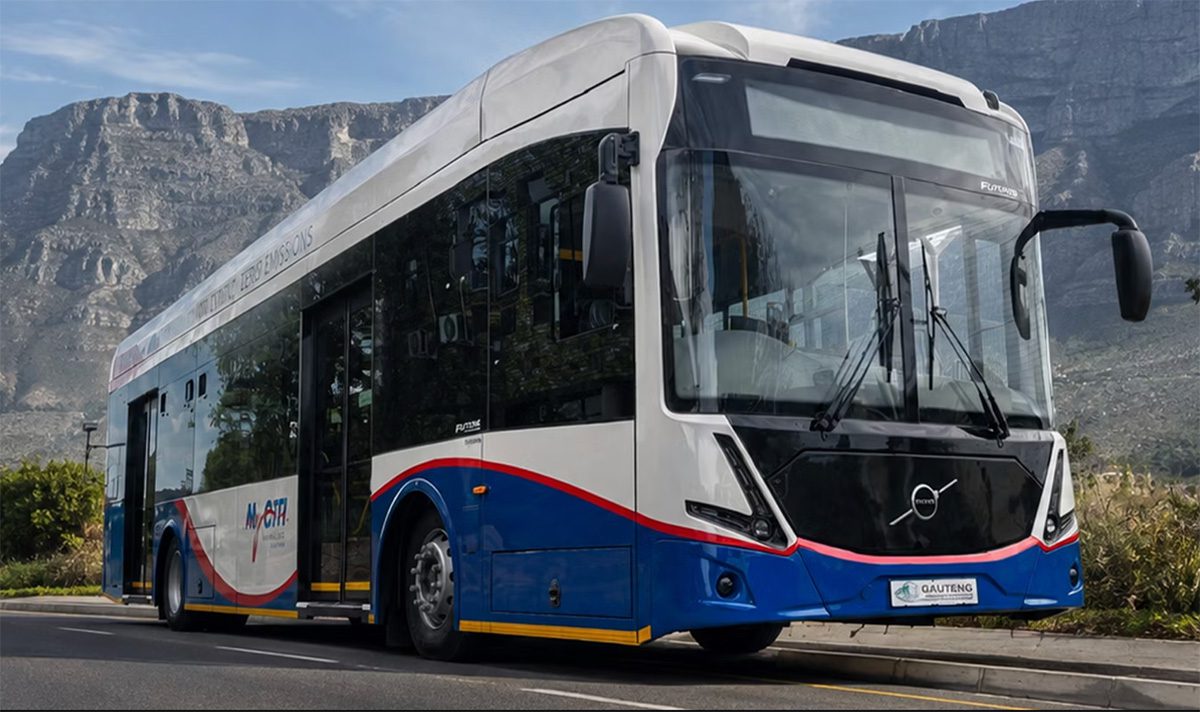
Key Takeaways:
- Cape Town has ordered 38 Volvo BZR Low Entry Electric buses, marking a significant step towards sustainable urban mobility.
- The initial fleet of these advanced electric city buses is expected to be delivered starting in 2027.
- A crucial aspect of the project involves local design and manufacturing of the bus bodies by Gauteng Bus and Coach Centre in Johannesburg.
- Volvo Buses will serve as a strategic advisor, providing expertise in infrastructure planning and system implementation.
- The entire initiative is financially supported through the Public Transport National Grant funding, underscoring national commitment to green transit.
Cape Town is poised to revolutionize its urban public transport system with a significant investment in sustainable mobility. The City of Cape Town has officially placed an order for 38 Volvo BZR Low Entry Electric buses, signaling a bold commitment to embracing zero-emission public transport. This strategic move aims to integrate advanced electric vehicle technology into the city’s electric passenger transport system, promising a substantial upgrade in environmental performance and service efficiency.
This landmark initiative positions Cape Town at the forefront of urban development in Africa, aligning its transport infrastructure with global environmental sustainability goals. The project goes beyond mere vehicle procurement; it represents a comprehensive effort to foster a future-ready public transport ecosystem that prioritizes both ecological responsibility and operational excellence.
Cape Town’s Vision for Green Mobility
The decision to procure a substantial fleet of electric city buses underscores Cape Town’s progressive vision for a cleaner, quieter, and more sustainable urban environment. This investment is a direct response to the escalating global imperative to transition away from traditional fossil fuel-dependent transport systems towards greener alternatives.
The integration of these modern electric buses is expected to significantly reduce the city’s carbon footprint, mitigate air pollution, and decrease noise levels across busy urban corridors. Such improvements contribute directly to enhancing the quality of life for residents and visitors alike, promoting healthier urban living spaces.

Leon Nelson, Director of Volvo Buses in South Africa, emphasized the transformative potential of this partnership. “This is a landmark project for both Cape Town and for us. We can be very proud to introduce electric buses to the city, and in doing so, prove that we acknowledge and support a sustainable future,” Nelson stated, highlighting the shared commitment to advancing environmental goals through innovative public transport solutions.
The Volvo BZRLE Electric: A Locally Grounded Innovation
The chosen Volvo BZRLE Electric models are engineered on Volvo’s highly flexible BZR platform, renowned for its adaptability and robust performance in diverse urban settings. This foundation ensures that the new fleet of electric city buses will meet Cape Town’s specific operational demands, delivering reliable and efficient service.
A particularly noteworthy aspect of this procurement is the strong emphasis on local industrial participation. This approach is designed to foster economic growth within South Africa while ensuring that the fleet is tailored to national standards and requirements. The bus bodies for these sophisticated electric vehicles will be meticulously designed and manufactured domestically by the Gauteng Bus and Coach Centre, located in Johannesburg.
This strategic decision to localize production not only creates valuable employment opportunities but also significantly enhances South Africa’s technical competence and manufacturing capabilities within the rapidly expanding electric vehicle sector. It represents a tangible step towards building a self-reliant and innovative domestic industry.
Strategic Advisory and Infrastructure Development
Successfully transitioning a city’s public transport to electric requires more than just acquiring vehicles; it demands meticulous planning and robust infrastructure. Recognizing this complexity, Volvo Buses has taken on a pivotal role as a strategic advisor throughout the entire electrification process. This comprehensive involvement includes providing expert guidance on critical elements such as infrastructure planning, route optimization, and overall system implementation.
The City of Cape Town will directly oversee and manage the crucial charging infrastructure necessary to support these electric city buses. This collaborative framework ensures that the deployment of the electric fleet is seamless and that all operational components, from the advanced vehicles to their essential charging points, are fully integrated and optimized for maximum efficiency and unwavering reliability. Such coordinated efforts are vital for the long-term success and scalability of the electric urban mobility project.
Funding Mechanisms and Future Fleet Expansion
The substantial investment required for the introduction of these advanced electric city buses is being strategically supported by national funding initiatives. The initial delivery of the electric fleet is anticipated to commence in 2027, marking a concrete and visible milestone in Cape Town’s overarching sustainable transport agenda.
Rob Quintas, City Councillor responsible for urban mobility in Cape Town, offered valuable insights into the current scope of the project and its potential for future growth. “The first buses are scheduled for delivery in 2027,” Quintas confirmed, providing a clear timeline for citizens. He further elaborated on the project’s scalability, stating, “We have ordered a minimum of 38 buses, but this number may increase with funding availability. The new buses will be paid for by means of Public Transport National Grant funding.” This statement highlights the city’s ambition to potentially expand the fleet further, contingent upon securing additional financial resources, showcasing a flexible and forward-looking approach to urban public transport development.
Strengthening National Industrial Capacity and Expertise
Beyond the immediate environmental advantages, this transformative project is meticulously designed to yield significant broader benefits for South Africa’s industrial and technical landscape. The commitment to local assembly and design of the bus bodies contributes fundamentally to the development of indigenous capabilities in the increasingly vital electric vehicle manufacturing sector.
Manish Sahi, Vice President of Volvo Buses MIAC, articulated the profound long-term vision underpinning this initiative. “This project demonstrates how electrification can be implemented in a way that strengthens local capabilities, builds technical competence, and contributes to the development of a future-ready public transport ecosystem,” Sahi remarked. This powerful emphasis on local empowerment ensures that the positive impacts of this electrification drive extend far beyond just cleaner air, fostering a skilled workforce and a more robust national industry.
Cape Town’s Leadership in Sustainable Urban Development
Cape Town’s strategic investment in a new fleet of electric city buses positions it as a pioneering urban center committed to sustainable development. This significant initiative aligns the city with global movements towards cleaner urban environments, setting a benchmark for other African cities aiming to modernize their public transport systems.
The adoption of advanced electric vehicle technology addresses critical challenges such as air quality degradation and noise pollution, which are prevalent in rapidly expanding urban areas. By providing a quieter, smoother, and more environmentally friendly commuting experience, the city is enhancing the daily lives of its residents and promoting a healthier urban ecosystem. This commitment reflects a holistic approach to urban planning, where ecological responsibility and efficient public services go hand-in-hand.
This forward-thinking approach to urban development not only addresses the immediate transport needs of a growing metropolis but also proactively contributes to national and international efforts to mitigate climate change. By championing zero-emission public transport, Cape Town is actively building resilient urban environments and fostering a sustainable legacy for future generations, showcasing its role as a smart and responsible global city.
Frequently Asked Questions (FAQ)
Q1: What type of electric buses has Cape Town ordered for its public transport system?
Cape Town has placed an order for 38 Volvo BZR Low Entry Electric buses, which are specifically designed for efficient urban passenger transport and are built on Volvo’s versatile BZR platform.
Q2: When is the expected delivery timeline for these new electric city buses?
The initial delivery of the new Volvo BZR Low Entry Electric buses to Cape Town is scheduled to commence in 2027, marking their integration into the city’s public transport network.
Q3: Will the bus bodies for Cape Town’s electric fleet be manufactured locally?
Yes, the bus bodies for the Volvo BZRLE Electric buses will be locally designed and manufactured in Johannesburg by the Gauteng Bus and Coach Centre, supporting local industry and expertise.
Q4: Who is responsible for managing the charging infrastructure for the new electric bus fleet?
The City of Cape Town will be directly responsible for the management and oversight of the essential charging infrastructure required to support the operation of its new electric city buses.
Q5: How is the procurement of these electric city buses being funded?
The acquisition of these new electric city buses is being financed through the Public Transport National Grant funding, as confirmed by City Councillor Rob Quintas, ensuring national support for the initiative.
Q6: What advisory role is Volvo Buses playing in this electrification project?
Beyond supplying the vehicles, Volvo Buses is serving as a strategic advisor throughout the entire electrification process, offering crucial support in infrastructure planning and comprehensive system implementation for Cape Town.
Q7: What are the broader benefits of local manufacturing in this electric bus project?
Local manufacturing strengthens domestic capabilities, builds vital technical competence in the electric vehicle sector, and contributes significantly to the development of a future-ready public transport ecosystem, as highlighted by Manish Sahi of Volvo Buses.
Q8: Is there a possibility that Cape Town will order more electric buses in the future?
Yes, City Councillor Rob Quintas indicated that while 38 buses represent a minimum order, the total number of buses could potentially increase in the future, subject to the availability of additional funding.