
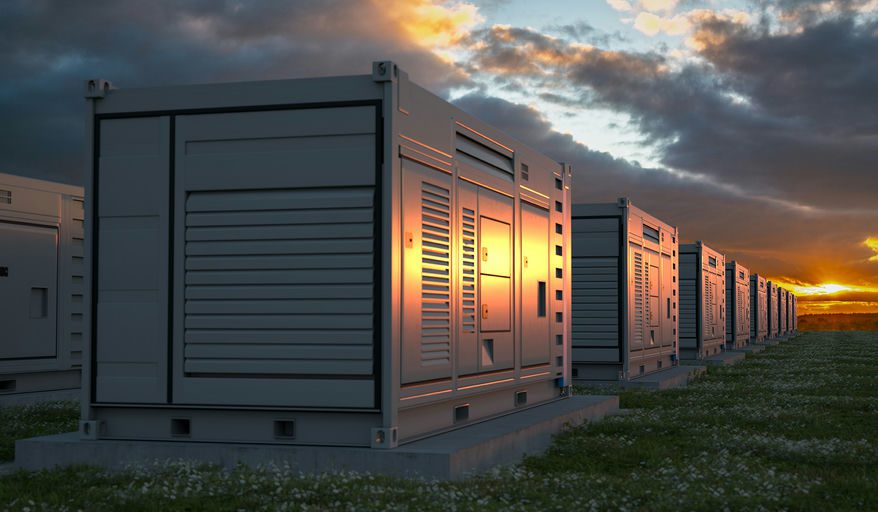
Key Takeaways
- The global energy sector is witnessing a significant pivot: while EV demand fluctuates, investments in large-format EV battery manufacturing are now strategically redirecting towards **Stationary Energy Storage Systems** (ESS).
- Demand for ESS is surging, driven by the critical need to augment existing grid capacity and power the exponentially growing energy requirements of emerging technologies, notably AI Data Centers.
- Developing compliant ESS solutions presents complex challenges, encompassing intricate market regulations, the nuanced roles of various regulators and certification bodies, and the paramount importance of functional safety.
- Industry stakeholders must meticulously address common pitfalls in battery system design to ensure both regulatory compliance and optimal performance.
- A free virtual conference is scheduled from September 14-17, 2026, featuring a dedicated webinar on September 14, 2026, at 11:45 am EDT, to provide critical insights into these compliance challenges for stationary storage.
The global energy landscape is undergoing a profound transformation, marked by significant strategic shifts in battery manufacturing and deployment. While billions of dollars have been invested in scaling large-format electric vehicle (EV) cell and battery production over recent years, the industry is now witnessing a strategic pivot. This redirection is largely influenced by fluctuating EV demand across various global regions, juxtaposed against an unprecedented surge in the need for **Stationary Energy Storage Systems** (ESS).
This shift is not merely reactive but a calculated response to evolving market dynamics. The burgeoning demand for ESS is primarily driven by two critical imperatives: the urgent necessity to augment existing grid capacity and the escalating energy demands of cutting-edge technologies, prominently including AI Data Centers. Consequently, a substantial segment of the EV battery supply chain is now refocusing its extensive expertise and recently built manufacturing capabilities on developing market-ready solutions for stationary storage applications.

The Strategic Imperative of Stationary Energy Storage Systems
The transition towards a cleaner, more resilient energy infrastructure hinges critically on effective energy storage. As renewable energy sources like solar and wind become increasingly integrated into national grids, their intermittent nature necessitates robust storage solutions. **Stationary Energy Storage Systems** fill this crucial gap, ensuring grid stability, peak shaving capabilities, and the seamless integration of distributed energy resources.
Beyond grid stability, the rise of artificial intelligence has introduced a new, formidable energy consumer: AI Data Centers. These facilities require colossal and uninterrupted power supplies to sustain their intensive computational operations. ESS provides a reliable, scalable, and often greener power solution, mitigating the strain on traditional grids and enabling the sustainable growth of AI infrastructure.
From EV Batteries to Grid Resilience: A Seamless Transition
The foundational technology for large-format EV batteries shares significant commonalities with ESS. Battery cells, modules, and even pack architectures developed for electric vehicles can often be adapted for stationary applications with modifications to thermal management, safety protocols, and overall system integration. This inherent synergy allows manufacturers to leverage existing R&D investments and production lines, accelerating the deployment of crucial storage infrastructure.

The strategic advantage of this pivot lies in optimizing the utilization of existing industrial capacity. Instead of letting state-of-the-art EV battery factories operate below their potential due to fluctuating automotive demand, redirecting production towards ESS offers a robust avenue for growth and market diversification, ensuring sustained innovation and economic viability within the battery sector.
Navigating the Complexities of ESS Compliance
While the technological transition from EV to stationary storage may seem straightforward, the regulatory and compliance landscape presents a unique set of challenges. Unlike the relatively standardized automotive sector, stationary energy storage operates under a diverse and often localized array of regulations, codes, and standards that vary significantly by region, country, and even specific utility requirements.
Understanding these intricate frameworks is paramount for any manufacturer seeking to enter or expand within the ESS market. Key challenges include comprehending the specific market regulations and identifying the relevant regulatory bodies governing installation, operation, and decommissioning of **Stationary Energy Storage Systems**.
The Pivotal Role of Certification Bodies and Functional Safety
Certification bodies, such as Intertek and similar organizations, play a critical role in validating the safety, reliability, and performance of ESS products against established industry standards. Their independent assessments provide crucial assurance to regulators, utilities, and end-users, ensuring that systems meet stringent safety criteria for fire, electrical hazards, and environmental impact.
Functional safety, a discipline concerned with the prevention of hazardous failures, is another cornerstone of ESS design. Given the scale and energy density of these systems, any malfunction can have severe consequences. Implementing robust functional safety measures throughout the design and operational lifecycle is essential to mitigate risks and ensure the safe and reliable performance of stationary battery systems.
Common Pitfalls in Battery System Design for Compliance and Performance
Developers entering the **Stationary Energy Storage Systems** market often encounter several common pitfalls. These can range from a lack of thorough understanding of specific grid codes and interconnection requirements to underestimating the complexities of thermal management for long-duration stationary applications. Differences in cycle life expectations, operational temperatures, and integration with diverse grid architectures require specialized design considerations that differ from automotive applications.
Ensuring both compliance and optimal performance demands a holistic approach, integrating regulatory requirements from the initial design phase through to manufacturing and deployment. Overlooking critical aspects such as appropriate battery management system (BMS) design for stationary use, or failing to conduct rigorous testing under grid-specific conditions, can lead to costly delays, redesigns, or even market exclusion.
Expert Insights at the Virtual Conference on EV Engineering
To address these critical industry shifts and complexities, a comprehensive Virtual Conference on EV Engineering is scheduled to be broadcast live from September 14 to 17, 2026. This vital industry event will bring together experts from across the entire EV engineering supply chain and ecosystem, providing invaluable insights into current challenges and future directions.
A highlight of the conference will be a dedicated webinar focused on stationary energy storage compliance. This session, titled “Stationary energy storage compliance: What don’t you know?”, will take place on September 14, 2026, at 11:45 am EDT. It aims to dissect the key challenges faced by developers in creating new battery systems that meet the rigorous compliance demands of these adjacent energy markets.
Attendees of this crucial webinar will gain a deeper understanding of market regulations, the pivotal roles of regulators and certification bodies, the intricacies of functional safety, and practical guidance on avoiding common design pitfalls for both compliance and performance needs. Industry professionals are encouraged to Register now—it’s free! to secure their spot for this insightful session.
Comprehensive Coverage Across the EV Ecosystem
Beyond stationary storage, the Virtual Conference on EV Engineering offers a broad spectrum of sessions covering the entire breadth of electric vehicle technology. The agenda encompasses critical areas such as motor and power electronics design and manufacturing, advanced cell development, sophisticated battery systems, and rigorous testing methodologies.
Further topics include innovations in powertrains, efficient thermal management solutions, essential circuit protection mechanisms, advancements in wire and cable technologies, and crucial EMI/EMC considerations. This comprehensive coverage ensures that professionals across the entire EV and energy storage value chain will find relevant and actionable information to drive innovation and navigate regulatory landscapes.
Interested participants can explore the full range of offerings and plan their attendance by reviewing the complete schedule. To access the detailed agenda and discover all available sessions for this significant industry gathering, please See the complete session list for the Virtual Conference on EV Engineering here.
Frequently Asked Questions (FAQ)
What are Stationary Energy Storage Systems (ESS)?
ESS are battery-based systems designed to store electrical energy and discharge it when needed, providing power to grids, commercial facilities, or data centers. They play a critical role in grid stabilization, integrating renewable energy, and ensuring power reliability, particularly for demanding applications like AI Data Centers. ESS represent a key component of modern energy infrastructure.
Why is there a surge in demand for ESS despite fluctuating EV demand?
The surge in ESS demand is primarily driven by the imperative to strengthen existing power grids, enhance energy security, and support the massive energy requirements of rapidly expanding AI Data Centers. While EV adoption rates can vary by region and economic factors, the fundamental need for stable, reliable, and sustainable power for grid infrastructure and high-demand computing facilities is consistently increasing.
What are the main compliance challenges for ESS developers?
ESS developers face challenges including navigating diverse and often localized market regulations, understanding the roles of various regulatory bodies and certification agencies like Intertek, and ensuring robust functional safety throughout the system’s lifecycle. Designing for optimal performance while meeting stringent safety and environmental standards also requires careful consideration and expertise.
What is ‘functional safety’ in the context of battery systems?
Functional safety refers to the part of the overall safety of a system that depends on the correct functioning of control systems to prevent hazardous failures. For battery systems, this involves designing and implementing features to prevent issues like thermal runaway, overcharging, or short circuits, ensuring the system operates safely even in fault conditions. It is crucial for high-energy ESS installations.
Who should attend the Virtual Conference on EV Engineering?
The conference is designed for engineers, researchers, product developers, and business leaders across the electric vehicle and energy storage sectors. Professionals involved in battery cell and pack design, power electronics, thermal management, testing, manufacturing, and compliance will find valuable insights and networking opportunities relevant to both EV and stationary storage applications.
When and where will the stationary energy storage compliance webinar take place?
The dedicated webinar on stationary energy storage compliance is scheduled for September 14, 2026, at 11:45 am EDT. It is part of the broader Virtual Conference on EV Engineering, which runs from September 14 to 17, 2026. As a virtual event, participants can attend from anywhere with an internet connection, making expert insights easily accessible.