
Key Takeaways
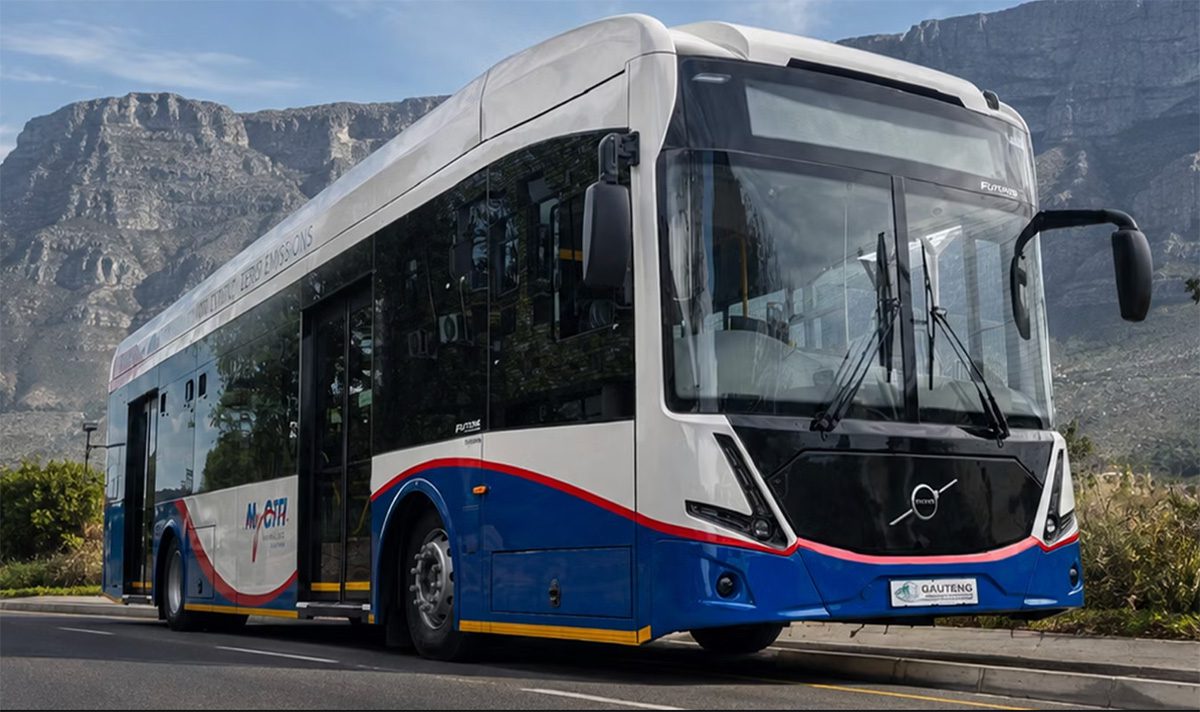
- Cape Town has ordered 38 Volvo BZR Low Entry Electric buses to significantly bolster its electric passenger transport system.
- The initial fleet is scheduled for delivery in 2027, with potential for further expansion based on funding availability.
- Bus bodies for these electric vehicles will be locally designed and manufactured by Gauteng Bus and Coach Centre in Johannesburg, fostering local industry growth.
- Volvo Buses is providing strategic advisory support for infrastructure planning and system implementation.
- The project is funded through the Public Transport National Grant, underscoring a commitment to sustainable urban mobility and local economic development.
Cape Town, a vibrant hub in South Africa, is making a significant stride towards sustainable urban mobility with a substantial order for 38 Volvo BZR Low Entry Electric buses. This initiative marks a pivotal moment for the city, aiming to integrate advanced electric vehicles into its evolving passenger transport system.
The procurement underscores Cape Town’s commitment to modernising its public transport infrastructure while embracing environmentally friendly solutions. The new electric fleet is poised to enhance the commuter experience, reduce carbon emissions, and contribute to cleaner air within the metropolitan area.
Pioneering Sustainable Urban Mobility in South Africa
The introduction of electric buses represents a landmark project for both the City of Cape Town and Volvo Buses. It signals a clear strategic direction towards a greener, more sustainable future for public transport in South Africa.
Leon Nelson, Director, Volvo Buses in South Africa, emphasised the importance of this development. “This is a landmark project for both Cape Town and for us. We can be very proud to introduce electric buses to the city, and in doing so, prove that we acknowledge and support a sustainable future,” Nelson stated, highlighting the long-term vision behind the partnership.
Local Collaboration Fuels Manufacturing and Innovation
The new electric buses are built on Volvo’s flexible BZR platform, which is engineered to accommodate diverse operational requirements while ensuring efficiency and reliability. A critical aspect of this initiative is the emphasis on local content and capability building.

The bus bodies for the Volvo BZRLE Electric fleet will be meticulously designed and manufactured domestically by the Gauteng Bus and Coach Centre, located in Johannesburg. This local production component is expected to not only meet specific regional needs but also stimulate economic growth and create employment opportunities within the South African automotive sector.
The local design and manufacturing process will ensure that the buses are tailored to Cape Town’s specific urban environment and operational demands. This strategic approach further strengthens the domestic industrial base, fostering technical competence and innovation within the country.
Volvo’s Strategic Advisory Role and Implementation Support
Beyond the supply of the electric chassis, Volvo Buses has adopted a crucial strategic advisory role throughout the electrification process. This comprehensive support encompasses various critical areas, from initial infrastructure planning to the complex system implementation phases.
This advisory capacity ensures that Cape Town’s electric passenger transport system is developed with robust, future-proof solutions. Volvo’s expertise in electric vehicle technology and fleet management is instrumental in helping the city navigate the intricacies of transitioning to an electric public transport network, including the establishment of efficient charging infrastructure.
Delivery Timeline and Funding Mechanisms
The initial delivery of these advanced electric buses is anticipated to commence in 2027. Rob Quintas, City Councillor responsible for urban mobility in Cape Town, provided details regarding the scale and funding of the project.
“The first buses are scheduled for delivery in 2027,” Quintas confirmed. He further elaborated on the scope, stating, “We have ordered a minimum of 38 buses, but this number may increase with funding availability. The new buses will be paid for by means of Public Transport National Grant funding.” This flexible ordering system allows for potential expansion of the fleet, aligning with future funding opportunities and the city’s growing public transport needs.
The reliance on Public Transport National Grant funding underscores the national commitment to supporting local governments in their efforts to implement sustainable transport solutions and enhance urban mobility for citizens.
Strengthening Local Capabilities and a Future-Ready Ecosystem
The project extends beyond merely acquiring electric vehicles; it is a holistic endeavour designed to build a resilient and advanced public transport ecosystem. Manish Sahi, Vice President, Volvo Buses MIAC, articulated the broader impact of this collaboration.
“This project demonstrates how electrification can be implemented in a way that strengthens local capabilities, builds technical competence, and contributes to the development of a future-ready public transport ecosystem,” Sahi remarked. His statement highlights the multifaceted benefits, including skills development, technology transfer, and the creation of a sustainable model for urban transport.
This initiative sets a precedent for how African cities can leverage international partnerships while fostering local industry to drive their green transformation agendas. By integrating local manufacturing with global expertise, Cape Town is positioning itself as a leader in sustainable urban development.
FAQ Section
What type of electric buses did Cape Town order?
Cape Town ordered 38 Volvo BZR Low Entry Electric buses. These vehicles are based on Volvo’s flexible BZR platform and are designed for urban passenger transport, contributing to the city’s green mobility initiatives.
When are the first electric buses expected to be delivered to Cape Town?
The first batch of the Volvo BZR Low Entry Electric buses is scheduled for delivery in 2027. This timeline allows for the necessary preparations, including the establishment of charging infrastructure and operational planning.
Who will be manufacturing the bus bodies for Cape Town’s new electric fleet?
The bus bodies for Cape Town’s Volvo BZRLE Electric fleet will be locally designed and manufactured by the Gauteng Bus and Coach Centre, located in Johannesburg. This collaboration supports local industry.
How is the procurement of these electric buses being funded?
The acquisition of the new electric buses will be financed through the Public Transport National Grant funding. This grant supports municipalities in implementing and improving public transport systems nationwide.
What role is Volvo Buses playing beyond supplying the vehicles?
Volvo Buses is acting as a strategic advisor throughout Cape Town’s electrification process. Their role includes providing support for infrastructure planning, system implementation, and overall guidance to ensure a smooth transition to electric public transport.
What is the broader significance of this project for South Africa?
This project is significant as it not only introduces electric buses to a major South African city but also strengthens local manufacturing capabilities and builds technical competence. It serves as a model for developing a future-ready, sustainable public transport ecosystem in the region.