
Key Takeaways:
- Tesla is developing an exclusive Supercharger network specifically designed for its expanding Robotaxi fleet, signaling a pivotal shift in autonomous vehicle infrastructure.
- Currently, Tesla’s driverless electric cabs utilise public Supercharger stations, where human operators manually plug them in, typically during night hours.
- Max de Zegher, Tesla’s head of North American Charging, confirmed these dedicated stations are under construction, hinting at a future where automated charging eliminates the need for human intervention.
- The upcoming Cybercab, unveiled in 2024, is projected to support wireless charging, a technology well-suited for autonomous operations, despite initial charging speeds of 25 kilowatts.
- Strategic deployment of these new Tesla Robotaxi charging network sites will focus on high-demand areas with economical land, aiming to maximise utilisation and operational efficiency for the autonomous fleet.
In a significant strategic move, Tesla is actively developing a specialised Supercharger network tailored exclusively for its anticipated fleet of Robotaxis. This initiative marks a crucial evolution in the infrastructure supporting autonomous electric vehicles, aiming to streamline operations and enhance the efficiency of Tesla’s self-driving taxi service.

The company’s Supercharger network, widely recognised for its expansive coverage and reliability across the United States, is undergoing a nuanced transformation to accommodate the unique requirements of a large-scale driverless taxi operation. This development underscores Tesla’s commitment to building a comprehensive ecosystem for its future mobility services.
Establishing a Dedicated Charging Ecosystem for Autonomous Fleets
Max de Zegher, who leads Tesla’s North American Charging unit, recently confirmed that the company is in the process of constructing bespoke charging stations. These facilities are designed to cater specifically to its burgeoning fleet of Robotaxis, differentiating them from the existing public Supercharger infrastructure.
The current operational model for these driverless electric vehicles involves their use of public Supercharger stations. At present, human operators are required to manually connect the electric cabs for charging, a process that typically occurs during off-peak hours, particularly at night.
Transitioning from Manual to Automated Charging Solutions
De Zegher elaborated on the temporary nature of the current manual charging process. He stated, “They’re plugged in manually, but that’s just for now,” indicating a clear trajectory towards fully automated charging solutions for the Robotaxi fleet.
While the exact mechanisms for this future automation remain undisclosed, the statement suggests a departure from human involvement. Tesla has previously explored concepts such as a robotic charging arm over a decade ago, though that particular idea has yet to be implemented.
The transition to an automated Tesla Robotaxi charging network is paramount for scaling autonomous operations. Eliminating manual intervention at charging points can significantly reduce operational costs and increase the overall uptime of the Robotaxi fleet, contributing to a more economically viable service model.
The Role of Wireless Charging in Robotaxi Operations
A key technology poised to enable this automated future is wireless charging. This method is particularly pertinent for autonomous vehicles like the Cybercab, where the absence of a human driver necessitates self-sufficient charging capabilities.
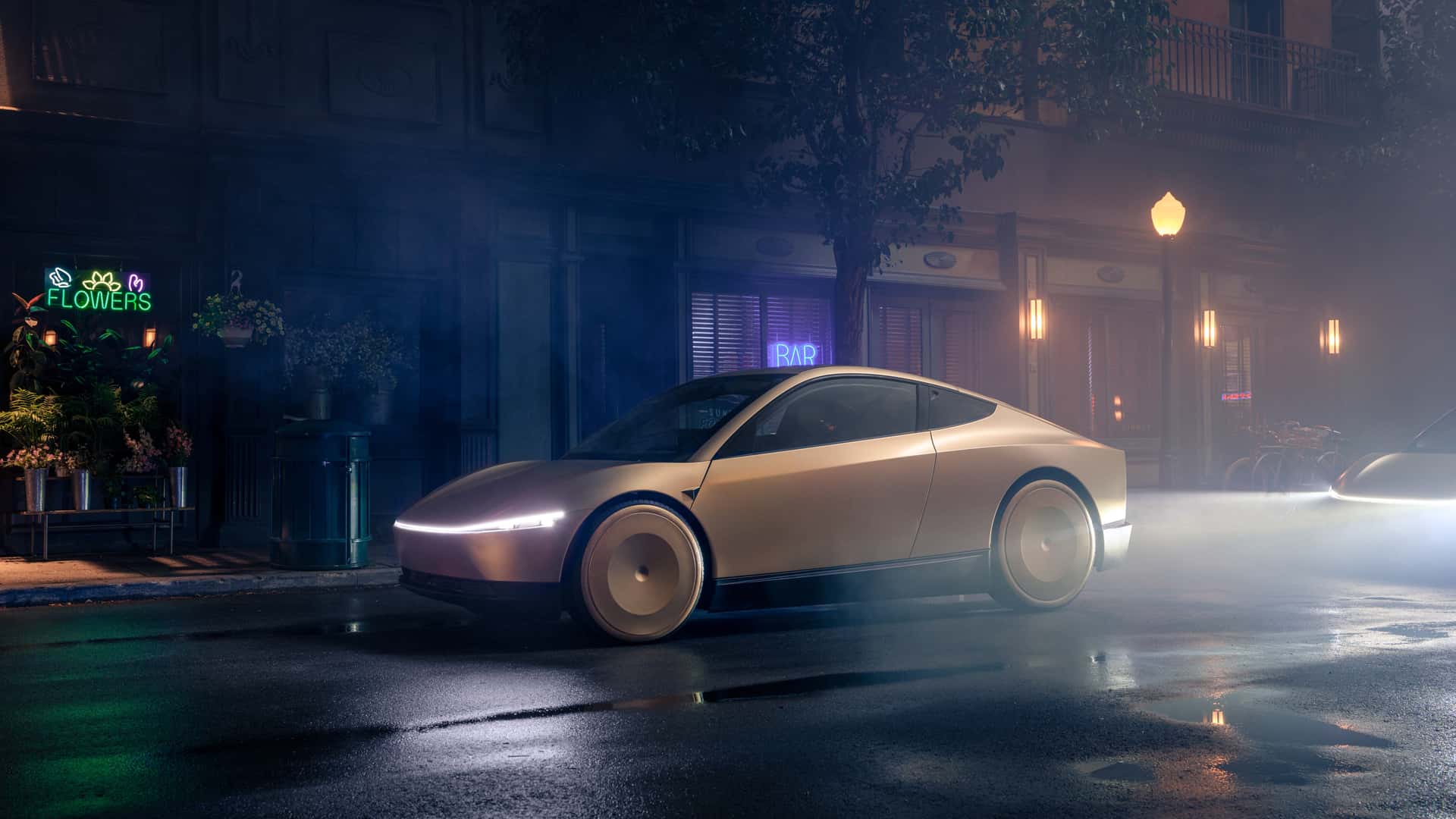
In 2024, when the gold-colored two-door EV known as the Cybercab was unveiled, Tesla announced that it would exclusively support wireless charging. This approach is logical in a future envisioned without human drivers, allowing vehicles to autonomously position themselves over inductive charging pads when requiring a power boost or awaiting passenger requests.
Cybercab’s Charging Specifications and Efficiency
A video released in October 2024 showcased a Cybercab undergoing wireless charging at a rate of up to 25 kilowatts. While this speed might not be considered exceptionally fast by contemporary electric vehicle charging standards, it is relevant when viewed in the context of the Cybercab’s battery capacity.
According to official documents filed with the Environmental Protection Agency, the Cybercab, which notably lacks a steering wheel, features a battery capacity of 48 kilowatt-hours. Based on these specifications, a charging session of approximately two hours at 25 kilowatts would theoretically be sufficient to achieve a full charge.
This calculated charging duration highlights the importance of efficient and seamlessly integrated charging infrastructure for maintaining high availability within an autonomous taxi service. The strategic placement of these wireless charging pads will be critical for the operational flow of the Tesla Robotaxi charging network.
Strategic Deployment of New Charging Infrastructure
The development of these dedicated Robotaxi Superchargers is not random; it is guided by a precise strategic framework. The new stations will be constructed in geographical areas identified by high demand for taxi services.
Furthermore, site selection will prioritise locations where land acquisition costs are favourable, and capital expenditures for establishing the infrastructure can be managed effectively. This cost-conscious approach is fundamental to the long-term scalability and financial viability of the Robotaxi business model.
Maximising Utilisation and Operational Throughput
A primary objective for these specialised sites is to facilitate successive, back-to-back charging sessions. This operational model is essential for maximising the utilisation rates of the charging infrastructure, ensuring that a high volume of Robotaxis can be serviced efficiently throughout the day and night.
Until these dedicated facilities become fully operational, the existing fleet of driverless Model Ys and Cybercabs will continue to rely on the public Supercharger network. It is important to note that current public Superchargers do not offer wireless charging pads, necessitating manual connections.
Integration with Tesla’s Advanced Dispatch Systems
Tesla has also clarified its operational priorities within the shared charging environment. Max de Zegher confirmed that electric vehicles transporting passengers are given precedence when accessing charging stations. This policy ensures uninterrupted service for customers using Tesla’s ride-hailing offerings.
The dispatching of Robotaxis to available chargers is managed through sophisticated algorithms rooted in the same Trip Planner fundamentals that power the active navigation systems present in all Tesla vehicles. This intelligent system helps coordinate the movements of autonomous vehicles, directing them to the nearest and most appropriate charging locations based on their charge status and operational needs.
This integration of a smart dispatch system with the Tesla Robotaxi charging network underscores the comprehensive, end-to-end approach the company is taking to build its autonomous ride-sharing ecosystem. It aims to ensure that both human-driven and self-driving Teslas can efficiently manage their charging requirements within the broader network.
FAQ Section
What is the primary purpose of Tesla’s new Robotaxi Superchargers?
Tesla is building dedicated Supercharger stations to exclusively serve its future Robotaxi fleet. This specialised infrastructure aims to provide efficient, potentially automated charging solutions tailored to the operational demands of autonomous vehicles, ensuring high fleet availability and streamlined logistics for Tesla’s self-driving taxi service.
How are Robotaxis currently charged?
At present, Tesla’s driverless electric cabs utilise existing public Supercharger stations. During this interim phase, human operators manually plug in the vehicles for charging, typically performing these tasks during nighttime hours to minimise disruption and ensure the vehicles are ready for service during peak demand.
Will human operators be required for future Robotaxi charging?
According to Max de Zegher, Tesla’s head of North American Charging, the current manual plugging-in process for Robotaxis is temporary. The company is developing future Superchargers for Robotaxis that will operate without human intervention, hinting at automated charging solutions that will enhance operational efficiency and reduce labor requirements.
What charging technology will the Cybercab utilise?
The Cybercab, Tesla’s two-door electric vehicle unveiled in 2024, is designed to exclusively support wireless charging. This technology is particularly suitable for autonomous vehicles, enabling them to position themselves over inductive charging pads automatically without any physical connection, which is crucial for a driverless mobility service.
What is the Cybercab’s battery capacity and estimated charging time?
The Tesla Cybercab is equipped with a 48-kilowatt-hour battery. A video from October 2024 demonstrated it wirelessly charging at up to 25 kilowatts. At this rate, a full charge for the 48 kWh battery would theoretically take approximately two hours, providing efficient turnaround times for the Robotaxi fleet.
Where will these dedicated Robotaxi Superchargers be located?
The upcoming Robotaxi-specific Superchargers will be strategically built in areas characterised by high demand for taxi services. Site selection will also consider locations with affordable land and opportunities to keep capital expenditures low, ensuring the economic viability and scalability of Tesla’s autonomous taxi business.
How does Tesla ensure charging priority for its fleet?
Tesla maintains a clear charging priority where vehicles with passengers take precedence at Supercharger stations. For dispatching Robotaxis to available chargers, the system leverages the same fundamental Trip Planner algorithms used in all Tesla vehicles, ensuring efficient routing and timely charging based on operational needs.