
In the rapidly evolving landscape of electric vehicles (EVs), the battery remains the heart of the machine, a complex component subjected to relentless stresses. Unlike the batteries in consumer electronics, EV power units endure extreme temperatures, harsh road conditions, and constant vibration. Recognising this critical challenge, Ford has established a specialised ‘battery abuse team’ dedicated to understanding the intricate mechanisms of cell failure and ensuring the paramount safety and longevity of its electric vehicle battery technology.
This initiative underscores a significant shift in automotive manufacturing, where engineering for durability and safety stands alongside energy density and charging speed as core priorities. The team’s work, from initial design consultation to rigorous post-production validation, is pivotal in Ford’s strategic push towards a more reliable and profitable electric future, particularly with the upcoming Ford Fathom pickup.

Key Takeaways
- Ford operates a dedicated ‘battery abuse team’ focused solely on understanding and preventing electric vehicle battery failures.
- The team is integrated into the battery design process from the outset, aiming to comprehend cell failure at a fundamental physics level.
- Thousands of quality checks, including CT scans, X-ray machines, and AI systems, are implemented throughout the manufacturing process at facilities like BlueOval Battery Park Michigan.
- Ford employs unique validation methods, such as feeding ‘red rabbits’ (damaged components) into production lines to test quality control systems.
- Post-assembly, batteries undergo extreme durability testing using hydraulic shakers that simulate years of real-world driving conditions.
- Despite past high-voltage battery-related warranty costs, Ford’s latest data indicates impressive long-term range retention in models like the Mustang Mach-E.
- These extensive measures aim to bolster Ford EV battery safety and reliability for upcoming models like the Fathom pickup, crucial for the automaker’s electric vehicle strategy.
The Unseen Rigours of Electric Vehicle Batteries
Electric vehicle batteries lead a far more challenging existence than their counterparts in smartphones or laptops. They are constantly exposed to the elements, from searing summer heat to freezing winter temperatures. Beyond thermal fluctuations, they are subjected to the relentless physical assault of road debris, potholes, and the general vibrations inherent to automotive operation.
Such extreme operating conditions necessitate an unparalleled focus on battery integrity. For vehicle manufacturers, ensuring that these sophisticated power units can withstand years of such ‘abuse’ without compromising performance or safety is a complex engineering feat. It’s a testament to modern materials science and design that these battery packs endure as robustly as they do.
Ford’s Proactive Approach to EV Battery Safety
Ford’s commitment to electric vehicle battery durability is exemplified by its dedicated team focused entirely on battery abuse, design, and testing. This specialised unit works to preempt potential issues long before a battery pack ever reaches a vehicle, ensuring that safety is engineered into the very core of the product. The team’s mission extends beyond mere compliance; it seeks to push the boundaries of battery robustness.

Wesley Thibault, Ford’s global chief engineer of battery product development, articulated the team’s philosophy during a recent media roundtable at the automaker’s new BlueOval Battery Park Michigan. He stated, “That team is 100% focused on battery abuse, design, and testing as a function.” This singular focus allows for a deep, concentrated effort on an aspect critical to widespread EV adoption.
Designing for Inevitable Stress: A Physics-First Approach
The battery abuse team is not merely reactive, tasked with analysing failures after they occur. Instead, its involvement begins at the foundational design phase of the battery cells. This upstream engagement allows for fundamental insights into how and why a cell might fail, enabling preventive measures to be integrated from the earliest stages of development.
Thibault elaborated on this proactive methodology, explaining, “They want to understand down to the physics level, how a cell fails and why, and when it does fail, how we can prevent it from creating harm to the occupants.” This granular understanding is crucial for developing robust designs that mitigate risks effectively. It’s an approach rooted in deep scientific inquiry rather than superficial testing.
Mastering Cell Venting and Thermal Management
A prime example of the team’s intricate work involves studying how battery cells vent. This process is vital for preventing catastrophic events such as fires or severe damage caused by overheating. When internal temperatures within a cell climb excessively, the electrolyte—the critical liquid chemical facilitating electron transfer between the anode and cathode—generates gases.
Should these gases become trapped, they could lead to dangerous internal short circuits or, more critically, thermal runaway, a self-sustaining exothermic reaction that can cause rapid escalation in temperature. Ford’s team analytically measures these venting characteristics using sophisticated computer models. This allows for precise control over gas release, ensuring that any necessary escape of gases occurs in a controlled and safe manner, thereby preventing accumulation and mitigating potential hazards before cells are even physically validated.
Unprecedented Quality Checks in Production
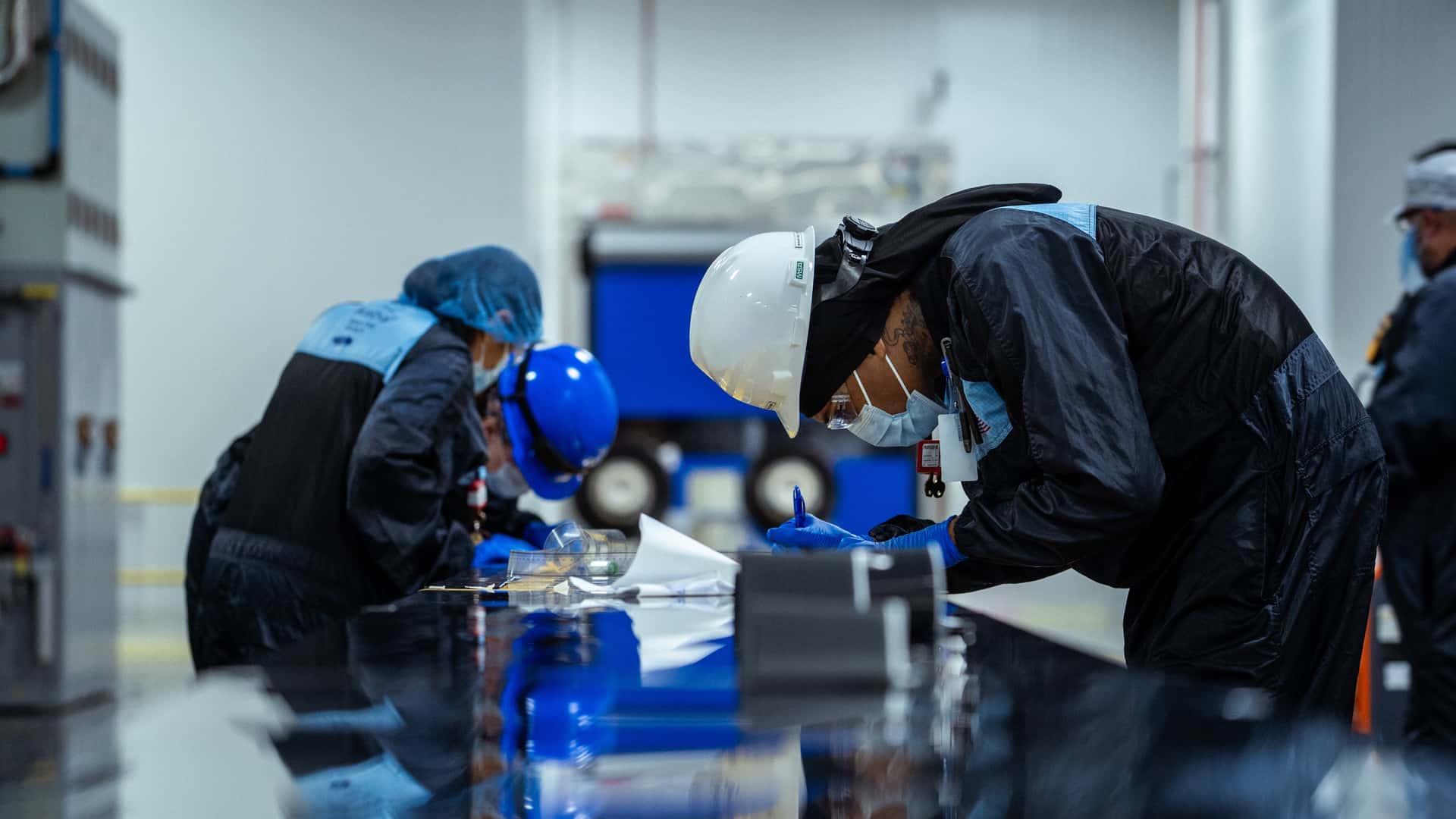
The commitment to electric vehicle battery durability extends far beyond the design phase, permeating every stage of the manufacturing process. At Ford’s state-of-the-art BlueOval Battery Park Michigan, where production of lithium iron phosphate (LFP) battery packs recently commenced, a multi-layered system of quality assurance is in place. Thousands of distinct quality checks are performed, scrutinising both raw materials and finished battery cells.
Ford engineers highlighted the extensive array of technologies deployed, including advanced CT scans, X-ray machines, high-precision lasers, intricate camera inspections, and sophisticated artificial intelligence (AI) systems. These technologies work in concert to detect even the minutest imperfections, ensuring that every component meets rigorous standards.
Precision at Every Step: From Slurry to Cell
One notable example of this meticulous quality control is observed during the anode slurry coating process. As the slurry is applied onto a copper foil, every single millimetre is meticulously scanned by lasers. These scans are designed to identify any wrinkles, inconsistencies, or other anomalies that could potentially compromise the battery’s performance or safety. This level of precision is indicative of the stringent controls implemented.
Moreover, Ford empowers every employee on the production floor with the authority to halt production immediately if any problem is detected. This decentralised quality control mechanism ensures prompt action. In the event of an issue, affected cells are quarantined during the specific production period, and an advanced traceability system allows components to be tracked from their initial production point all the way to the final vehicle they are installed in, enhancing accountability and facilitating swift rectifications.
The ‘Red Rabbit’ Test: Validating Quality Systems
Beyond standard inspections, Ford employs an innovative method to continuously validate the efficacy of its manufacturing quality systems. Engineers intentionally introduce damaged components and cells, affectionately termed ‘red rabbits,’ into the production machinery. This deliberate injection of flawed parts serves a crucial purpose: to confirm that the advanced quality systems are indeed functioning as intended and are capable of identifying and rejecting non-conforming items.
This proactive testing ensures that the safeguards are robust and reliable, catching potential defects that might otherwise slip through. It’s a rigorous self-auditing process that reinforces confidence in the manufacturing line’s ability to maintain high standards of Ford EV battery safety and quality, demonstrating a systematic approach to continuous improvement.
Simulating a Lifetime: Post-Assembly Durability Testing
Once individual battery cells are deemed pristine and assembled into a complete pack, they face yet another gauntlet of tests designed to simulate the arduous life of an electric vehicle. One of the most intensive of these is the hydraulic shaker test. After assembly, the battery pack is securely mounted onto a powerful hydraulic shaker that precisely mimics thousands of miles and many years of real-world road use.
This sophisticated machinery can replicate a full spectrum of vehicular movements—twisting, diving, squatting, contorting, and yawing—subjecting the battery pack to every conceivable stress it would encounter on the road. This gruelling endurance test ensures that the assembled unit can withstand the dynamic forces and vibrations encountered during typical and extreme driving scenarios, certifying its long-term structural integrity and performance.
Real-World Validation and Performance Data
Ford’s extensive testing protocols appear to be yielding positive results in real-world applications. Data released by the company recently indicated that high-mileage Mustang Mach-E vehicles, with odometers reading 100,000 or even 200,000 miles, exhibit minimal range loss when compared to their original battery capacities. This concrete evidence serves as a strong validation of Ford’s focus on electric vehicle battery durability and its rigorous testing methodologies.
Such performance metrics are critical for consumer confidence and demonstrate a tangible return on investment in advanced battery technology and quality control. They reassure owners about the longevity and sustained capability of their EV batteries, addressing a key concern for potential electric vehicle buyers.
Learning from Past Challenges and Charting the Future
While Ford’s current emphasis on battery quality is robust, it also stems from recent experiences. The company has navigated significant warranty costs in past years, and some of its early EV models, notably the Mustang Mach-E and the F-150 Lightning, faced issues related to their high-voltage batteries. For instance, certain early Mach-E units were subject to recalls due to battery contactors overheating during DC fast-charging events.
Furthermore, a smaller batch of F-150 Lightnings was recalled in 2023 due to the discovery of defective battery cells. These instances, though relatively isolated, underscore the inherent complexities of high-voltage battery systems and the imperative for continuous refinement in design and manufacturing processes. These experiences have clearly informed and intensified Ford’s current comprehensive approach to electric vehicle battery safety.
The High Stakes of the Ford Fathom
Ford’s intensified focus on battery quality and rigorous testing is particularly critical as the company prepares for the launch of its highly anticipated Fathom pickup. This vehicle is poised to be a pivotal model in Ford’s electric vehicle portfolio, with expectations that it will significantly outsell previous EV offerings and spearhead a new era of more advanced and profitable electric vehicles for the automaker.
The success of the Fathom, and indeed Ford’s broader EV comeback, hinges heavily on delivering unimpeachable reliability and performance. The investment in a dedicated battery abuse team and sophisticated quality control at facilities like BlueOval Battery Park Michigan demonstrates Ford’s determination to ensure that the Fathom’s batteries set a new benchmark for durability and safety from day one. The true measure of these efforts will ultimately be revealed as the Fathom enters the real world, but for now, Ford is pulling out all the stops.
Frequently Asked Questions (FAQ)
Q: What is Ford’s ‘battery abuse team’ and what do they do?
A: Ford’s ‘battery abuse team’ is a specialised engineering unit dedicated to understanding how electric vehicle batteries fail at a fundamental physics level. They are involved from the initial design phase, developing ways to prevent harm to vehicle occupants and enhance overall battery durability through rigorous testing and analysis.
Q: Why are EV batteries subjected to such extreme testing?
A: Electric vehicle batteries endure far harsher conditions than consumer electronics. They face extreme temperatures, vibrations from road surfaces, and potential impacts. Extensive testing ensures these batteries can withstand years of real-world use without compromising safety, performance, or longevity.
Q: What kind of quality checks are performed during battery production?
A: Ford implements thousands of quality checks throughout production, utilising advanced technologies like CT scans, X-ray machines, lasers, camera inspections, and AI systems. Every millimetre of material is scrutinised for anomalies, and employees can halt production for any detected issues.
Q: What are ‘red rabbits’ in Ford’s battery manufacturing process?
A: ‘Red rabbits’ are intentionally damaged components or cells that Ford engineers feed into the production machinery. This unique method validates that the automated quality control systems are functioning correctly and can consistently identify and reject defective parts, ensuring robust system reliability.
Q: How does Ford test battery packs for real-world durability?
A: After assembly, battery packs are mounted on a hydraulic shaker that simulates thousands of miles and years of road use. This machine replicates various car movements—twisting, diving, squatting—to test the pack’s ability to withstand dynamic forces and vibrations encountered during actual driving conditions.
Q: What has Ford learned from past EV battery issues?
A: Ford has addressed past warranty costs and specific recalls related to high-voltage batteries in early Mach-E and F-150 Lightning models. These experiences have underscored the importance of comprehensive design, testing, and quality control, leading to the heightened focus on electric vehicle battery durability seen today.
Q: How will this focus on battery quality benefit future Ford EVs like the Fathom?
A: The rigorous emphasis on battery quality and safety is crucial for upcoming models like the Fathom pickup. It aims to prevent future recalls, build strong consumer confidence, and establish a reputation for reliability, which is vital for Ford’s long-term success and profitability in the competitive EV market.