
Key Takeaways:
- LG Energy Solution (LGES) posted record Q3 earnings, driven by robust demand for energy storage systems (ESS) in the U.S. and strong electric vehicle (EV) battery sales in Europe.
- The company’s revenue surged by 59% year-over-year to $7.21 billion, while operating profit grew by 25% to $565 million.
- Growth in North American stationary energy storage batteries, fueled by AI data centers and grid upgrades, effectively offset slower EV battery demand in the region.
- U.S. Inflation Reduction Act manufacturing credits and compensation from automakers also significantly contributed to the record financial performance.
- LGES is expanding its North American footprint, including a new gigafactory in Michigan and a key lithium supply agreement with Elevra Lithium in Canada.
Seoul, South Korea — LG Energy Solution, a global leader in the EV battery market, has announced record quarterly earnings, attributing its robust performance to escalating demand for energy storage systems in the United States and a flourishing electric vehicle market across Europe. The preliminary results for the third quarter underscore a strategic shift and successful diversification for the South Korean battery giant.

The company, a key Tesla supplier, revealed a significant 59% year-over-year increase in revenue, reaching an impressive $7.21 billion. This growth was complemented by a 25% rise in operating profit, which stood at $565 million for the quarter. These figures were released in a recent regulatory filing in South Korea, with full official results anticipated in November.
Strategic Pivot: Energy Storage Fuels North American Growth
The past few years have presented a dynamic landscape for battery manufacturers in North America. While many had initially scaled their ambitions around electric vehicle batteries, a slower-than-expected uptake in EV sales necessitated a re-evaluation of production strategies.
LG Energy Solution, however, has adeptly navigated this challenge by leveraging the burgeoning market for stationary energy storage batteries. This sector is currently experiencing high demand, primarily driven by the escalating energy needs of power-hungry artificial intelligence (AI) data centers and extensive grid upgrade initiatives across the United States.

The company’s strategic bet on stationary storage solutions has begun to yield substantial returns. This success has played a crucial role in offsetting losses incurred from the scaled-back EV battery production in North America, ensuring overall financial resilience for LG Energy Solution.
European EV Market Provides Strong Tailwind
Concurrently, LG Energy Solution has benefited significantly from the vibrant electric vehicle market in Europe. The continent has witnessed a steady increase in plug-in vehicle sales, creating a robust environment for EV battery suppliers.
According to reports from The Korea Herald, LG Energy Solution’s plant located in Poland is experiencing substantial demand. This surge is directly linked to the growing EV sales of major automotive players like Volkswagen and Renault within the European market. The strong performance in Europe has buoyed LGES’s core EV battery business, contributing significantly to its record Q3 earnings.
Impact of U.S. Policy and Manufacturing Credits
The impressive surge in LG Energy Solution’s earnings can also be partially attributed to favourable policy mechanisms in the United States. The company received crucial battery-manufacturing credits through the U.S. Inflation Reduction Act (IRA), a landmark legislative package designed to bolster domestic manufacturing and clean energy initiatives.
Specifically, the Section 45X Advanced Manufacturing Production tax credits have been instrumental. These credits incentivise domestic production of critical clean energy components, including EV and energy storage batteries. These vital credits remain available through 2032, providing long-term support for manufacturers like LG Energy Solution.
Furthermore, Reuters reported that compensation from automakers also contributed to LGES’s bottom line. This compensation arose from instances where car manufacturers failed to meet their minimum EV battery purchase requirements, underscoring the complexities and contractual agreements within the dynamic EV battery market supply chain.
Expanding North American Footprint and Supply Chain Resilience
In a move to further strengthen its position and enhance supply chain resilience, LG Energy Solution is actively expanding its manufacturing capabilities and securing raw material sourcing within North America. This strategy aligns with global trends favouring regional supply chains and reducing dependence on distant markets.
The company recently finalized a multi-year offtake agreement with Canada’s Elevra Lithium. Under this significant deal, LGES will procure 240,000 metric tonnes of raw lithium concentrate from Elevra’s mine located in Quebec. This agreement ensures a stable and localized supply of a critical raw material for battery production.
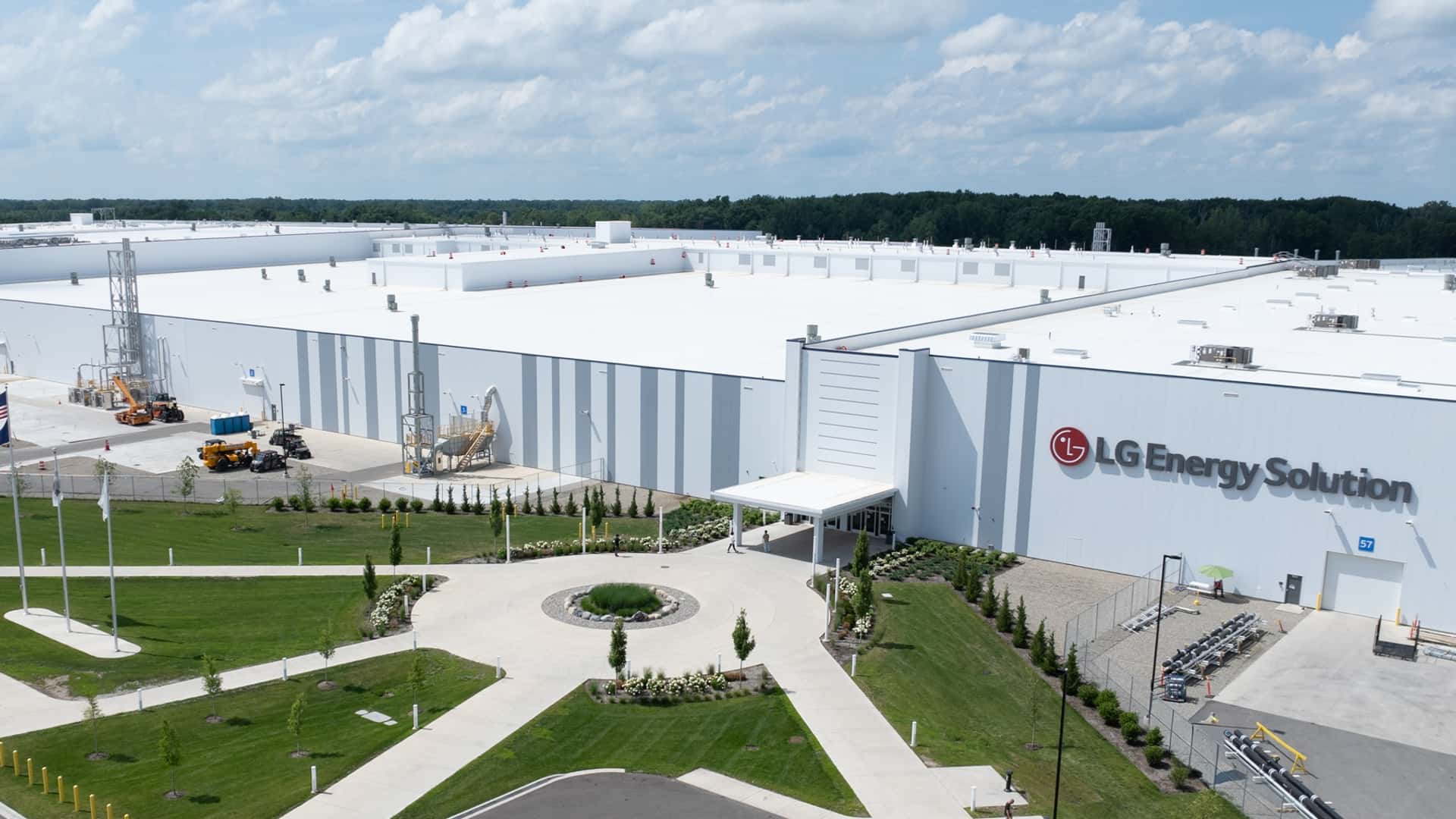
Adding to its North American expansion, LG Energy Solution inaugurated its $2 billion gigafactory in Lansing, Michigan, earlier this year. This state-of-the-art facility is pivotal for the company’s regional manufacturing strategy. The Michigan plant is dedicated to producing both energy storage lithium-iron-phosphate (LFP) batteries for Tesla and nickel-manganese-cobalt (NMC) EV batteries for Toyota, catering to diverse market needs.
The Broader EV Battery Market Landscape
LG Energy Solution’s record earnings reflect a critical juncture in the global EV battery market. While the pace of EV adoption varies across regions, the fundamental shift towards electrification is undeniable. The increasing demand for stationary energy storage further highlights the versatility and indispensable role of advanced battery technology in the modern economy.
The company’s ability to pivot and capitalize on both the European EV boom and the North American energy storage surge demonstrates strategic foresight. This balanced approach positions LG Energy Solution strongly amidst evolving market dynamics and geopolitical considerations affecting supply chains and manufacturing incentives.
As the world continues its transition to sustainable energy solutions, the demand for high-performance batteries is expected to grow exponentially. LG Energy Solution’s continued investments in research, development, and localized production are crucial to maintaining its competitive edge and driving innovation in the global battery industry.
FAQ Section
What contributed to LG Energy Solution’s record Q3 earnings?
LG Energy Solution’s record Q3 earnings were primarily driven by strong growth in its energy storage battery business in the U.S. and robust electric vehicle battery sales in Europe. Additionally, U.S. Inflation Reduction Act manufacturing credits and compensation from automakers for unfulfilled purchase agreements played a significant role.
How is LGES addressing slower EV battery demand in North America?
LGES is strategically offsetting slower EV battery demand in North America by focusing on the rapidly growing market for stationary energy storage batteries. These batteries are in high demand for powering AI data centers and supporting crucial grid modernization projects across the region, balancing the company’s North American operations.
Which U.S. policy benefits LG Energy Solution’s manufacturing?
The U.S. Inflation Reduction Act (IRA), specifically the Section 45X Advanced Manufacturing Production tax credits, significantly benefits LG Energy Solution. These credits encourage domestic battery manufacturing, providing financial incentives that remain available to eligible manufacturers through 2032, thereby bolstering LGES’s U.S. operations.
What role does the European market play in LGES’s success?
The European market plays a crucial role for LGES through its strong and growing electric vehicle sales. Demand from major automotive companies like Volkswagen and Renault for EV batteries, supplied from LGES’s plant in Poland, has significantly buoyed the company’s European operations and overall financial performance.
How is LGES enhancing its North American supply chain?
LGES is enhancing its North American supply chain by establishing local manufacturing facilities and securing regional raw material agreements. This includes a multi-year offtake deal with Canada’s Elevra Lithium for raw lithium concentrate and the operation of a $2 billion gigafactory in Lansing, Michigan, producing batteries for Tesla and Toyota.
What types of batteries are produced at the Lansing, Michigan gigafactory?
The Lansing, Michigan gigafactory, a significant investment for LGES, produces two primary types of batteries. It manufactures energy storage lithium-iron-phosphate (LFP) batteries, which are supplied to Tesla. Additionally, the factory produces nickel-manganese-cobalt (NMC) electric vehicle batteries, specifically designed for Toyota’s EV models.
When will LG Energy Solution release its full official Q3 results?
LG Energy Solution has released preliminary Q3 results, showcasing record revenue and operating profit. The company has announced that it will disclose the full official and detailed financial results for the third quarter in November. This full report will provide further insights into their performance metrics.