
Key Takeaways:
- Solid-state batteries are considered pivotal for the United States to re-establish global competitiveness in the battery manufacturing sector.
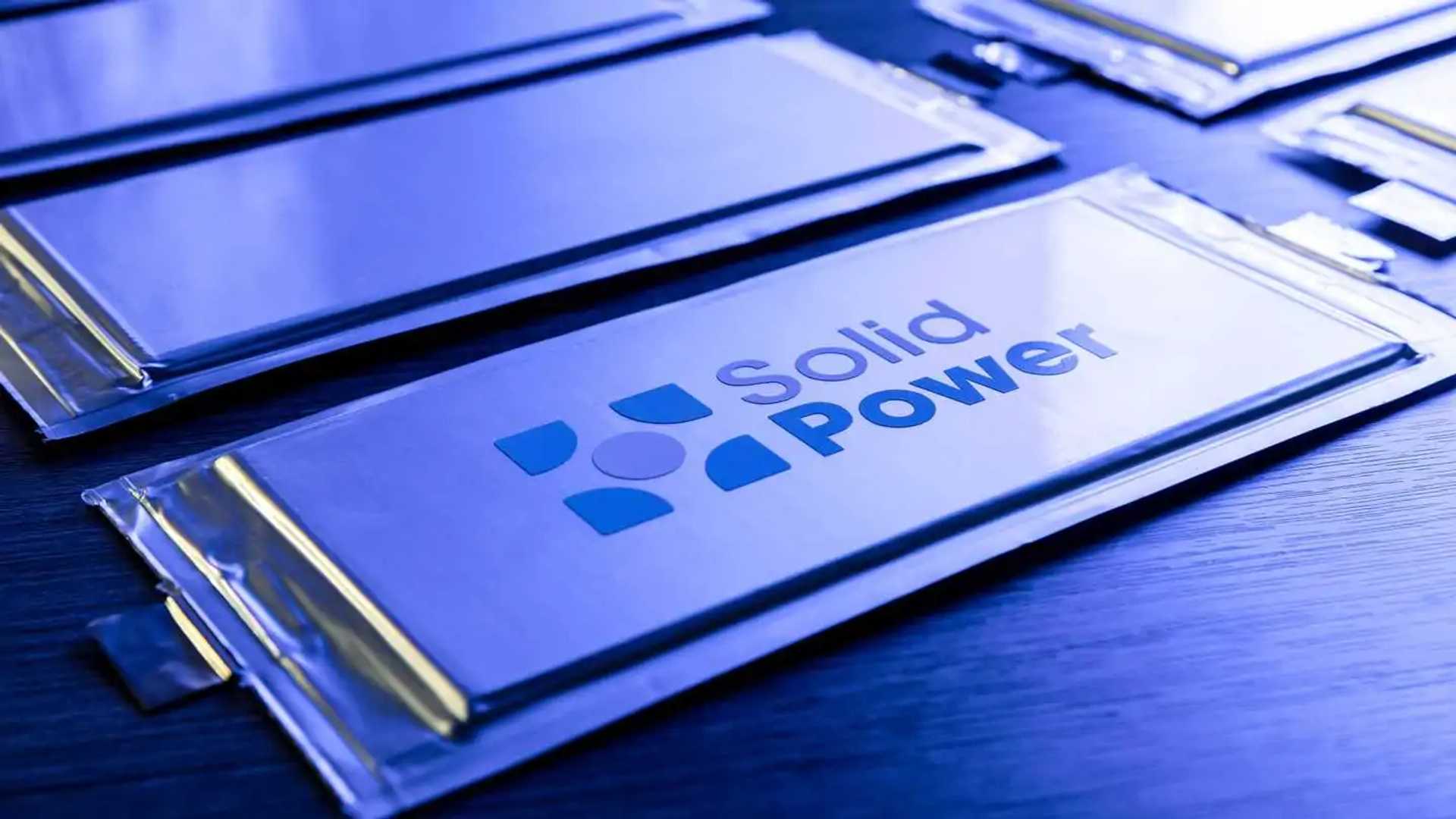
- Colorado-based Solid Power is pioneering a unique approach by specializing in solid electrolyte development, rather than manufacturing entire battery cells.
- This advanced battery technology promises significant improvements for electric vehicles, including extended driving ranges, accelerated charging speeds, and enhanced safety by eliminating flammable liquid electrolytes.
- Solid Power’s sulfide-based solid electrolyte is designed for seamless integration into existing lithium-ion battery production lines, offering a pathway for established manufacturers to adopt the new technology.
- The company has forged key collaborations with major automotive and battery industry players such as Ford, BMW, Samsung SDI, and SK ON to accelerate the commercialization of its technology.
- Despite manufacturing challenges, solid-state batteries are projected to enter high-end electric vehicles by the close of the current decade, with broader market penetration anticipated in the early 2030s.
While American companies currently trail Asian manufacturers in the extensive landscape of the battery industry, the advent of solid-state battery technology presents a transformative opportunity for the United States to reclaim a competitive edge. This assessment comes from the CEO of Solid Power, a Colorado-based specialist in solid electrolytes, highlighting a critical juncture for domestic innovation.

Solid Power is at the forefront of a burgeoning wave of American battery startups, including California’s QuantumScape and Massachusetts-based Factorial, all engaged in an intense race to bring solid-state batteries to commercial viability. These innovative firms are betting on a fundamental shift in battery chemistry to overcome current limitations.
The Transformative Promise of Solid-State Batteries
Battery scientists universally recognize the immense potential of solid-state batteries. This next-generation technology is projected to dramatically enhance the performance metrics of electric vehicles (EVs). Key benefits include unlocking substantially more driving range, enabling significantly faster charging speeds, and crucially, mitigating the fire risks associated with conventional lithium-ion batteries that utilize flammable liquid electrolytes.
The current generation of lithium-ion batteries, while powerful, relies on liquid electrolytes that can pose safety challenges and limit energy density. Solid-state technology aims to replace these liquids with a solid material, offering a more stable and energy-dense solution. This fundamental change is expected to address some of the most pressing concerns for EV adoption.

Overcoming Manufacturing Complexities
Despite their compelling advantages, the journey to commercialize solid-state batteries has been fraught with challenges. The technology has proven extraordinarily difficult to manufacture at scale without defects. For years, industry observers have noted that solid-state technology has consistently been described as being “just around the corner,” reflecting the persistent hurdles in transitioning from laboratory breakthroughs to mass production.
The intricate nature of solid materials and the precise engineering required to ensure stable ion transport within a solid-state cell present significant manufacturing complexities. These challenges have necessitated extensive research and development to devise robust and scalable production methods.
Solid Power’s Strategic Specialisation
Solid Power, however, maintains an optimistic outlook, believing that the eventual widespread adoption of solid-state batteries will justify the intensive development efforts. The company anticipates that these advanced power sources will be integrated into select high-end electric vehicles by the end of this decade, with a broader market presence expected in the early 2030s.
Underscoring its strategic importance and potential, Solid Power secured a substantial $50 million grant from the U.S. Department of Energy in 2024. This funding, allocated under the Bipartisan Infrastructure Law, is designed to bolster the company’s ongoing research and development initiatives, accelerating its path to commercialization.
Unlike some of its direct competitors in the solid-state battery arena, Solid Power has adopted a highly specialized approach. Rather than attempting to construct an entire battery cell from the ground up, the company focuses exclusively on one critical component: the electrolyte. This material is indispensable for facilitating the movement of lithium ions between the battery’s electrodes, a process essential for charge and discharge.
The Choice of Sulfide-Based Electrolytes
In traditional lithium-ion batteries, the electrolyte typically consists of a flammable liquid chemical solution. Conversely, developers of solid-state batteries are exploring primarily three distinct categories for solid electrolytes: polymers, oxides, and sulfides. Each offers unique properties and manufacturing considerations.
Solid Power has strategically placed its bet on the third option – sulfide-based electrolytes. John Van Scoter, President and CEO of Solid Power, emphasized in a recent interview that the company’s flexible sulfide-based solid electrolyte design offers a significant advantage. This design enables established battery manufacturers to more readily incorporate the advanced technology into their existing production processes.
Van Scoter articulated a clear vision for the national impact of this technology, stating, “All solid-state batteries can be the way that [the U.S.] can get back in and be competitive in the battery industry.” This perspective underscores the company’s belief that its specialized focus could provide the critical leverage needed for the U.S. to reassert its position in global battery manufacturing.
Advancing Production with the Mobius Pilot Line
Taking a significant stride towards its objectives, Solid Power recently commissioned its Mobius pilot production line at its facility in Thornton, Colorado. This advanced line is designed with a clear purpose: to manufacture and supply its innovative solid electrolytes to some of the most influential players in the global automotive and battery industries.
The company has already established crucial collaborative relationships, partnering with industry titans such as Ford, BMW, Samsung SDI, and SK ON. Additionally, Solid Power has indicated that it is working with other major entities whose names have yet to be publicly disclosed. This network of partnerships is central to its strategy, as Solid Power intends for battery makers to integrate its proprietary electrolyte into their own existing cell designs.
This collaborative model allows partners to rigorously test the results and jointly refine the technology, ensuring optimal performance and compatibility before embarking on full-scale production. CEO John Van Scoter confirmed that Solid Power has successfully completed its joint development agreements with Ford and BMW, marking a pivotal transition in its operational focus.
The company’s attention is now shifting towards working closely with these major battery manufacturers to address the complexities of scaling up production for its solid electrolyte technology. The Mobius pilot line is slated to become fully operational by the close of the current year, adding a substantial 45 metric tons of annual solid electrolyte production capacity.
When combined with its existing facilities, this new addition will elevate Solid Power’s total pilot capacity to an impressive 75 metric tons per year. This expansion is a testament to the company’s commitment to ramping up its ability to supply crucial components to its industry partners.
Performance Benchmarks and Energy Density
The practical implications of Solid Power’s technological advancements are significant. When its sulfide electrolyte is integrated with a silicon anode and a nickel manganese cobalt (NMC) cathode, the resulting cell can achieve an energy density of 390 watt-hours per kilogram (Wh/kg). Furthermore, these cells demonstrate remarkable longevity, enduring over 1,000 charge and discharge cycles.
To provide context, modern NMC batteries that rely on liquid electrolytes typically deliver an energy density in the range of 250 to 280 Wh/kg. This comparison highlights a substantial improvement offered by Solid Power’s technology. The company also claims that utilizing a lithium metal anode could further boost energy density to an impressive 440 Wh/kg, nearly doubling that of an average lithium-ion battery available today.
It is important to note, however, that these higher figures are theoretical maximums. The ultimate energy density achieved will depend on the specific design and manufacturing processes employed by the battery maker that constructs the final cell. Van Scoter underscored this collaborative dynamic, stating, “We create the magic that allows the cell to work. But it’s up to the cell design as to energy densities, cycle life, all those other important attributes.”
Manufacturing Adaptability and Remaining Challenges
A key advantage touted by Solid Power is that its solid-state battery technology is designed to integrate seamlessly into existing manufacturing infrastructure. The company asserts that its approach does not necessitate the construction of entirely new factories or prohibitively expensive retooling of current production lines. “We can use standard [lithium-ion battery] roll to roll equipment in order to build all solid state cells,” Van Scoter explained, emphasizing the cost-efficiency and scalability of their method.
Despite these advancements, solid-state batteries are not entirely free from familiar challenges. One persistent issue in battery technology is dendrite formation. These are tiny, needle-like lithium structures that can grow within a cell, posing risks such as internal short circuits and a reduction in overall capacity over time. Van Scoter confirmed that Solid Power has dedicated substantial engineering efforts to meticulously address and mitigate this critical issue.
Automotive Integration and Future Outlook
Solid Power’s engagement with automakers is not merely theoretical; it is already yielding tangible results. Last year, BMW publicly released images of a prototype i7 electric vehicle equipped with a solid-state battery featuring Solid Power’s silicon anode technology. This prototype offers a glimpse into the potential real-world applications of their electrolyte.
The partnership between BMW, Samsung SDI, and Solid Power has evolved into a tripartite agreement, focused on the comprehensive development of this technology for commercial deployment. Under this arrangement, Samsung SDI is tasked with manufacturing the advanced cells, while BMW will concentrate on developing the intricate battery modules and packs. Solid Power, in turn, will fulfill its specialized role by supplying the crucial solid electrolyte. The precise timeline for when the fruits of this collaborative effort will reach the consumer market remains undisclosed.
While Solid Power focuses on electrolyte specialization, other American solid-state startups are pursuing different strategies. QuantumScape, for example, has adopted a more vertically integrated model, developing entire battery cells in collaboration with automotive partners like Volkswagen and Honda. Similarly, Mercedes-Benz and Stellantis have initiated testing of prototype vehicles that incorporate Factorial’s solid-state cells, indicating a diverse landscape of innovation.
Beyond mainstream electric vehicles, Solid Power also foresees an earlier maturation of its technology in specific niche applications. The company believes that defense applications, drones, and humanoid robots could serve as initial markets for solid-state batteries. “The qualification cycles are shorter and the cycle life of the platform is much faster,” Van Scoter noted, highlighting the practical advantages for these specialized platforms.
Historically, American automakers and battery companies did not fully capitalize on the initial boom of lithium-ion battery technology, allowing Asian giants to dominate the market. The current race to commercialize solid-state batteries represents a pivotal moment. Whether American innovation can successfully navigate the remaining technical and manufacturing challenges to bring solid-state batteries across the finish line first remains a question that only time will answer.
Frequently Asked Questions (FAQs)
What are solid-state batteries?
Solid-state batteries are a next-generation battery technology that replaces the liquid or gel electrolyte found in conventional lithium-ion batteries with a solid material. This design aims to offer higher energy density, faster charging capabilities, and enhanced safety by eliminating the risk of flammable liquid leaks.
How do solid-state batteries improve EV performance?
By using a solid electrolyte, these batteries can store more energy in a smaller, lighter package, leading to increased driving range for electric vehicles. They also facilitate faster charging speeds and significantly reduce the risk of fire, making EVs safer and more convenient for consumers.
What is Solid Power’s role in solid-state battery development?
Solid Power specializes in developing and manufacturing the solid electrolyte component of solid-state batteries. Unlike some competitors, the company focuses on providing this critical ingredient to established battery makers and automotive partners, allowing for integration into existing production processes and cell designs.
What are the main advantages of Solid Power’s sulfide electrolyte?
Solid Power’s sulfide-based solid electrolyte offers high ionic conductivity, contributing to impressive energy density (up to 390 Wh/kg with a silicon anode and NMC cathode). A significant advantage is its compatibility with standard lithium-ion battery manufacturing equipment, reducing the need for extensive retooling and new factory builds.
When are solid-state batteries expected to be widely available?
Solid Power anticipates that solid-state batteries will first appear in select high-end electric vehicles by the end of this decade. Broader adoption across the consumer market, including more affordable EVs, is projected to follow in the early 2030s, as manufacturing scales up and costs decrease.
What challenges do solid-state batteries still face?
Despite progress, challenges remain, primarily in scaling manufacturing reliably and cost-effectively without defects. Issues like dendrite formation—needle-like lithium structures that can cause short circuits—also require continuous engineering solutions to ensure long-term battery performance and safety.
Which companies are partnering with Solid Power?
Solid Power has established significant partnerships with major players in the automotive and battery industries, including Ford, BMW, Samsung SDI, and SK ON. These collaborations aim to integrate Solid Power’s solid electrolyte into their battery cells and vehicle platforms, accelerating the technology’s commercialization.