
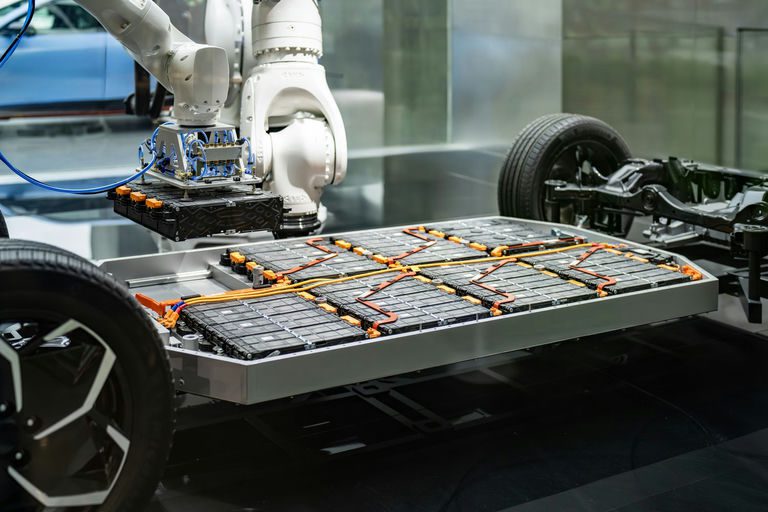
TL;DR: Key Takeaways on EV Battery Safety
- Battery safety is paramount in electric vehicles (EVs) and energy storage systems due to increasing performance and energy density.
- Early detection of thermal runaway is critical to prevent minor cell failures from escalating into hazardous situations.
- Infineon’s pressure sensor portfolio is highlighted as a key technology enabling fast and reliable thermal runaway detection.
- Monitoring pressure changes within battery systems serves as a robust early indicator of abnormal battery behaviour.
- A virtual conference in September 2026 will delve deeper into these solutions, offering insights for battery system developers, safety engineers, and sensor specialists.
The Imperative of Battery Safety in Electric Vehicles
As the automotive industry rapidly transitions towards electrification, the performance and energy density of electric vehicle (EV) batteries continue to push technological boundaries. This rapid evolution, while enhancing driving range and power, simultaneously elevates the critical importance of robust battery safety mechanisms. Ensuring the reliability and safety of these advanced battery systems is not merely a regulatory requirement but a foundational pillar for widespread consumer adoption and confidence in EVs.
Beyond electric vehicles, large-scale energy storage systems (ESS) also face similar imperatives. The sheer volume of energy stored within modern battery packs necessitates advanced safeguards to protect assets, infrastructure, and, most importantly, human lives. The integrity of these battery units hinges on their ability to operate safely under various conditions, making sophisticated safety protocols indispensable.

Understanding Thermal Runaway: A Critical Challenge
One of the most significant safety challenges in lithium-ion battery technology is thermal runaway. This phenomenon describes a self-accelerating chain reaction within a battery cell, where an increase in temperature causes further exothermic reactions, leading to an uncontrolled escalation of heat. If left unchecked, thermal runaway can quickly propagate from a single cell to an entire battery module or pack, resulting in smoke, fire, or even explosions.
The Escalation of Battery Failures
Detecting the precursors to thermal runaway is therefore a primary focus for battery developers and safety engineers. Early identification of potential failures is a key enabler of improved safety, helping to address issues before they escalate into critical, uncontrollable situations. Traditional battery management systems often rely on temperature and voltage monitoring, but these parameters may only show significant changes once a thermal event is already well underway, limiting the window for intervention.
The goal is to move towards proactive safety measures that can identify anomalies at the earliest possible stage, allowing for mitigation strategies to be implemented. This proactive approach is crucial for preventing severe safety incidents and enhancing the overall trustworthiness of EV battery systems. It underscores the continuous drive for innovation in sensor technology and diagnostic algorithms.
Pressure Monitoring: A New Frontier in Early Detection
In the pursuit of earlier and more reliable detection of impending battery safety events, pressure monitoring is emerging as a vital technique. Research and development in battery diagnostics have increasingly pointed to internal pressure changes as a highly sensitive and rapid indicator of abnormal cell behaviour. Before significant temperature or voltage deviations occur, a compromised battery cell often begins to generate gases internally due to electrochemical side reactions.
How Pressure Signals Impending Issues
These generated gases lead to a measurable increase in internal cell pressure. By continuously monitoring these subtle pressure variations, engineers can gain critical insights into the health status of individual cells or battery modules. This makes pressure monitoring an invaluable tool for thermal runaway detection, offering a significantly earlier warning signal compared to conventional methods.
The growing importance of pressure monitoring in modern battery safety concepts reflects an industry-wide shift towards more sophisticated diagnostic techniques. Leveraging pressure as an early indicator allows for a wider window of opportunity to intervene, isolate the faulty cell, or trigger safety protocols, thereby preventing the propagation of thermal events across the entire battery pack and significantly advancing EV battery safety.
Infineon’s Advanced Pressure Sensor Portfolio
Recognizing this critical need, Infineon offers a comprehensive pressure sensor portfolio specifically designed to enable fast and reliable thermal runaway detection. These advanced sensing solutions are engineered to meet the stringent demands of modern battery-powered systems, from compact consumer electronics to high-power automotive applications.
Features and Benefits Across Applications
Infineon’s pressure-sensing solutions are distinguished by their precision, robustness, and ability to detect even subtle pressure changes, which are crucial for identifying the nascent stages of cell degradation or fault conditions. Their suitability spans a wide range of battery applications, ensuring enhanced safety and reliability across diverse market segments. Key features typically include high accuracy, rapid response times, and resilience to harsh operating environments, all essential attributes for effective battery safety monitoring.
The integration of these sensors into battery management systems allows for a new level of real-time diagnostics. Participants interested in battery system development, safety engineering, or sensor selection can gain valuable perspectives on how leveraging pressure sensing technologies can enhance battery safety and reliability. This approach enables a more proactive and preventative safety strategy, moving beyond reactive measures.
The Broader Landscape: Virtual Conference on EV Engineering
These advancements in thermal runaway detection and EV battery safety will be a focal point at the upcoming Virtual Conference on EV Engineering. This comprehensive event, broadcasting live from September 14 to 17, 2026, is designed to cover the entire EV engineering supply chain and ecosystem. It serves as a crucial platform for industry professionals to stay abreast of the latest trends, technologies, and challenges in electric vehicle development.
Comprehensive Insights for the EV Ecosystem
The conference content will delve into a wide array of topics, including motor and power electronics design and manufacturing, cutting-edge cell development, sophisticated battery systems, rigorous testing methodologies, efficient powertrains, advanced thermal management solutions, robust circuit protection, specialized wire and cable systems, and critical EMI/EMC considerations. The session, “Advancing Battery Safety Through Early Thermal Runaway Detection With Infineon Sensors,” scheduled for September 16, 2026, at 10:30 am EDT, is a highlight for anyone involved in ensuring the utmost safety of EV batteries.
Registering for this specific webinar is free and provides a unique opportunity to explore how Infineon’s pressure sensor portfolio integrates into these broader safety concepts. The Virtual Conference on EV Engineering offers a wealth of knowledge, with other sessions covering topics such as scalable and cost-efficient testing of battery management systems, advanced power conversion for xEV architectures, and optimizing HV/LV power conversion, reinforcing its status as a cornerstone event for the industry.
Shaping the Future of Battery Reliability
The continuous push for higher energy density and faster charging in electric vehicle batteries underscores the non-negotiable requirement for uncompromised safety. Technologies like Infineon’s pressure sensors represent a significant leap forward in achieving this goal, providing a critical layer of protection through early thermal runaway detection. By transforming raw pressure data into actionable safety insights, these sensors are instrumental in building more reliable and secure battery systems.
As the EV market matures and battery technology continues to evolve, the integration of such advanced sensing capabilities will become increasingly standard. This focus on proactive, data-driven safety measures is vital for fostering consumer confidence and accelerating the global adoption of electric mobility. The insights shared at events like the Virtual Conference on EV Engineering are pivotal in disseminating this knowledge and driving industry best practices forward.
Frequently Asked Questions (FAQs)
What is thermal runaway in EV batteries?
Thermal runaway is a dangerous, self-accelerating chain reaction within a battery cell where rising temperature causes exothermic reactions, leading to an uncontrolled increase in heat. If not detected early, it can spread to the entire battery pack, potentially causing smoke, fire, or explosions in electric vehicles and energy storage systems.
Why is early thermal runaway detection crucial for EV battery safety?
Early detection is vital because it allows for intervention before a minor cell anomaly escalates into a severe safety incident. Detecting issues in their nascent stages provides a wider window to activate safety protocols, isolate faulty cells, and prevent the propagation of thermal events, significantly enhancing overall EV battery safety and reliability.
How do pressure sensors contribute to battery safety?
Pressure sensors contribute by monitoring subtle changes in internal battery cell pressure. Compromised cells often generate gases, causing pressure increases before significant temperature or voltage deviations occur. This makes pressure an early and reliable indicator of impending issues, allowing for faster and more effective thermal runaway detection than traditional methods.
What makes Infineon’s pressure sensors suitable for thermal runaway detection?
Infineon’s pressure sensors are designed for high precision, rapid response times, and robustness, making them ideal for detecting subtle pressure changes indicative of thermal runaway. Their portfolio caters to various battery-powered systems, from consumer to demanding automotive applications, offering a reliable solution for enhancing battery safety across the industry.
Who should attend the webinar on Infineon’s sensor solutions?
The webinar is highly relevant for professionals involved in battery system development, safety engineering, and sensor selection. Participants will gain valuable insights into leveraging advanced pressure sensing technologies for earlier, more reliable detection of battery safety events and understanding the latest trends in pressure-based thermal runaway detection.
What other topics will the Virtual Conference on EV Engineering cover?
The Virtual Conference on EV Engineering (September 14-17, 2026) offers a comprehensive program covering the entire EV ecosystem. Topics include motor and power electronics design, cell development, battery systems, testing, powertrains, thermal management, circuit protection, wire and cable, and EMI/EMC, providing broad insights for industry professionals.