
Key Takeaways
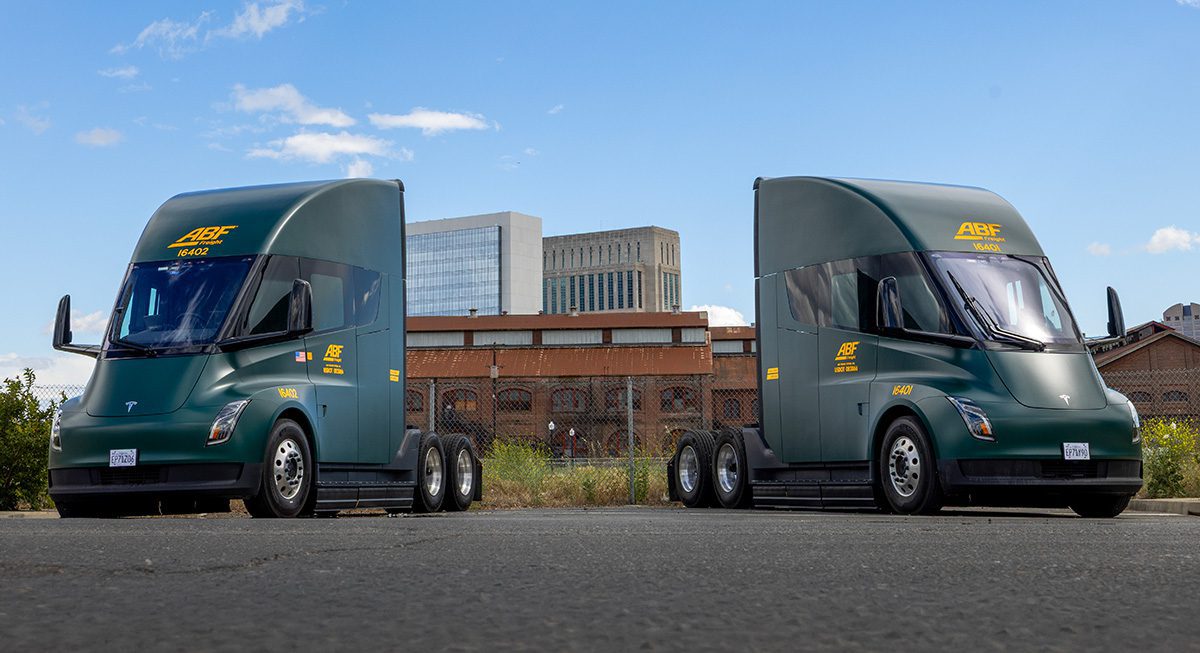
- Integrated logistics company ArcBest, through its less-than-truckload (LTL) carrier ABF Freight, has acquired two Tesla Semi Class 8 electric trucks.
- This acquisition signals an expansion of a successful 2025 pilot program that primarily focused on the Reno-Sacramento corridor.
- The next phase involves evaluating the Semis across a wider segment of ABF Freight’s network to gather comprehensive performance data.
- Key evaluation metrics include total cost of ownership (TCO), operational efficiency, safety, and employee experience, benchmarking against the existing diesel fleet.
- During the initial 2025 pilot, the Tesla Semi demonstrated an average energy efficiency of approximately 1.55 kWh per mile.
- Driver feedback from the pilot was overwhelmingly positive, citing superior visibility, comfort, and overall performance, even on challenging routes like the Donner Pass.
Fort Smith, Arkansas – ArcBest, a prominent integrated logistics company, has announced a significant step forward in its fleet electrification strategy with the acquisition of two Tesla Semi Class 8 electric trucks for its less-than-truckload (LTL) carrier, ABF Freight. This move marks an expansion of an earlier pilot program, signaling the company’s commitment to exploring sustainable and efficient transportation solutions within its extensive network.
The decision to procure additional electric Class 8 trucks follows a successful 2025 pilot that saw the Tesla Semis put through rigorous testing, primarily along the demanding Reno-Sacramento corridor. This initial phase provided critical insights into the real-world operational capabilities of heavy-duty electric vehicles in a commercial freight setting.

Strategic Fleet Electrification at ABF Freight
ABF Freight, a core component of ArcBest’s diversified logistics portfolio, operates a vast network handling complex LTL shipments across North America. The integration of electric trucks into such a critical operation is a testament to the industry’s evolving focus on environmental stewardship and operational innovation.
The initial 2025 pilot program was not merely a trial of new technology but a strategic exploration into how electric Class 8 trucks could integrate seamlessly into existing freight operations. By focusing on a specific, challenging corridor, ABF Freight aimed to gather preliminary data on performance, reliability, and driver acceptance under demanding conditions.
Expanding the Evaluation Horizon for Tesla Semis
With the new acquisitions, ABF Freight is poised to significantly broaden its assessment of the Tesla Semis. The next phase of testing will extend the deployment of these heavy-duty electric vehicles across a more diverse segment of the company’s operational network, encompassing various lanes and engaging additional driver groups.

This expanded deployment is crucial for collecting a wider array of operational data, which will be instrumental in evaluating the performance consistency of the electric trucks across different geographical terrains, weather conditions, and load capacities. Such comprehensive data is vital for making informed decisions regarding future investments in electric fleets.
Rigorous Benchmarking Against Diesel Counterparts
ArcBest has articulated a clear methodology for this evaluation, stating that the electric trucks will be rigorously benchmarked against its established diesel fleet. This comparison will adopt the same holistic approach to key performance indicators that guides all fleet investments across the business.
The critical metrics under scrutiny include total cost of ownership (TCO), operational efficiency, safety, and employee experience. TCO, in particular, will involve a detailed analysis of factors such as purchase price, energy consumption versus fuel costs, maintenance requirements, and potential government incentives or carbon credit benefits, providing a full financial picture over the lifespan of the vehicles.
Operational Efficiency and Driver Experience
Operational efficiency will assess aspects like route optimization, charging logistics, uptime, and throughput compared to traditional diesel trucks. The goal is to ensure that the transition to electric vehicles does not compromise the swift and reliable delivery standards expected in the LTL sector.
During the 2025 pilot, the Tesla Semi recorded an impressive average energy efficiency of approximately 1.55 kWh per mile. This figure will be a key benchmark as the trucks are deployed across broader segments, providing valuable insight into real-world energy consumption patterns under varied operational demands.
Perhaps equally significant was the positive driver feedback received from the initial pilot. Operators specifically highlighted the enhanced visibility offered by the Tesla Semi’s cabin design, superior comfort during long hauls, and the overall performance of the electric truck. These positive sentiments extended even to demanding routes, such as the challenging 7,200-foot ascent over the Donner Pass, a critical test of any heavy-duty vehicle’s power and endurance.
Matt Godfrey, President of ABF Freight, underscored the strategic importance of this expanded evaluation. “Our 2025 pilot gave us valuable insight into how electric Class 8 equipment can perform in real-world LTL operations,” said Godfrey. “Adding Tesla Semis to our lineup allows us to expand that across more lanes and operating conditions to evaluate whether heavy-duty electric vehicles meet the same standards for safety, reliability and performance across our existing fleet.”
The Broader Implications for Logistics and Sustainability
The ongoing evaluation by ArcBest and ABF Freight carries significant implications not only for the company’s future fleet decisions but also for the broader logistics industry. As global supply chains face increasing pressure to decarbonize, the viability of electric Class 8 trucks like the Tesla Semi becomes a critical factor in achieving sustainability goals.
This commitment to rigorous, real-world testing helps build a practical understanding of the challenges and opportunities associated with heavy-duty electric vehicles. Insights gained from ABF Freight’s experience will contribute valuable operational data to the nascent field of electric freight transport, potentially accelerating wider adoption across the sector.
By focusing on operational data, driver experience, and comprehensive TCO analysis, ArcBest is positioning itself at the forefront of sustainable logistics innovation. The results of this expanded evaluation will be keenly watched by industry stakeholders, offering a clearer roadmap for the integration of electric trucks into large-scale commercial fleets.
Future Outlook for Electric Freight
The successful integration of electric trucks relies on robust charging infrastructure, adequate range for diverse routes, and a compelling economic argument. ArcBest’s methodical approach to testing seeks to address these variables, ensuring that any broader transition to electric vehicles is both environmentally responsible and economically sound.
The progress of companies like ArcBest in evaluating advanced electric vehicle technology underscores a pivotal moment for the freight and logistics industry. It highlights a collective move towards reducing carbon footprints while simultaneously optimizing operational frameworks for the future.
Frequently Asked Questions About Tesla Semi Evaluation
What is ArcBest evaluating with the Tesla Semis?
ArcBest, through its ABF Freight division, is evaluating the Tesla Semi Class 8 electric trucks primarily on their total cost of ownership, operational efficiency, safety, and employee experience. They are benchmarking these electric vehicles against their existing diesel fleet to ensure they meet the company’s rigorous standards for heavy-duty freight operations.
Where did the initial Tesla Semi pilot take place?
The initial 2025 pilot program for the Tesla Semis conducted by ABF Freight focused mainly on the Reno-Sacramento corridor. This specific route allowed the company to test the electric trucks on demanding terrains, including the 7,200-foot climb over the Donner Pass, providing critical real-world performance data.
What was the energy efficiency achieved by the Tesla Semi in the pilot?
During the 2025 pilot, the Tesla Semi demonstrated an impressive average energy efficiency of approximately 1.55 kWh per mile. This metric is crucial for understanding the operational costs and environmental benefits associated with using heavy-duty electric vehicles in commercial freight applications.
What feedback did drivers provide about the Tesla Semis?
Driver feedback from the pilot program was positive, with operators highlighting several key aspects. They specifically praised the Tesla Semi’s visibility, comfort, and overall performance, noting its capabilities even on challenging routes like the Donner Pass. This indicates a high level of driver satisfaction with the electric trucks.
Why is ABF Freight expanding the Tesla Semi deployment?
ABF Freight is expanding the deployment of Tesla Semis to gather more comprehensive insights into their everyday performance across a broader segment of its network. This includes evaluating the trucks on additional lanes and with different driver groups, aiming to assess their consistency and reliability under varied operating conditions.
What is the significance of this evaluation for the logistics industry?
This evaluation by a major logistics firm like ArcBest is significant as it provides valuable real-world data on the feasibility and performance of electric Class 8 trucks. The findings will help inform wider industry adoption of heavy-duty electric vehicles, contributing to sustainability goals and advancing the transition to cleaner freight transportation solutions.