
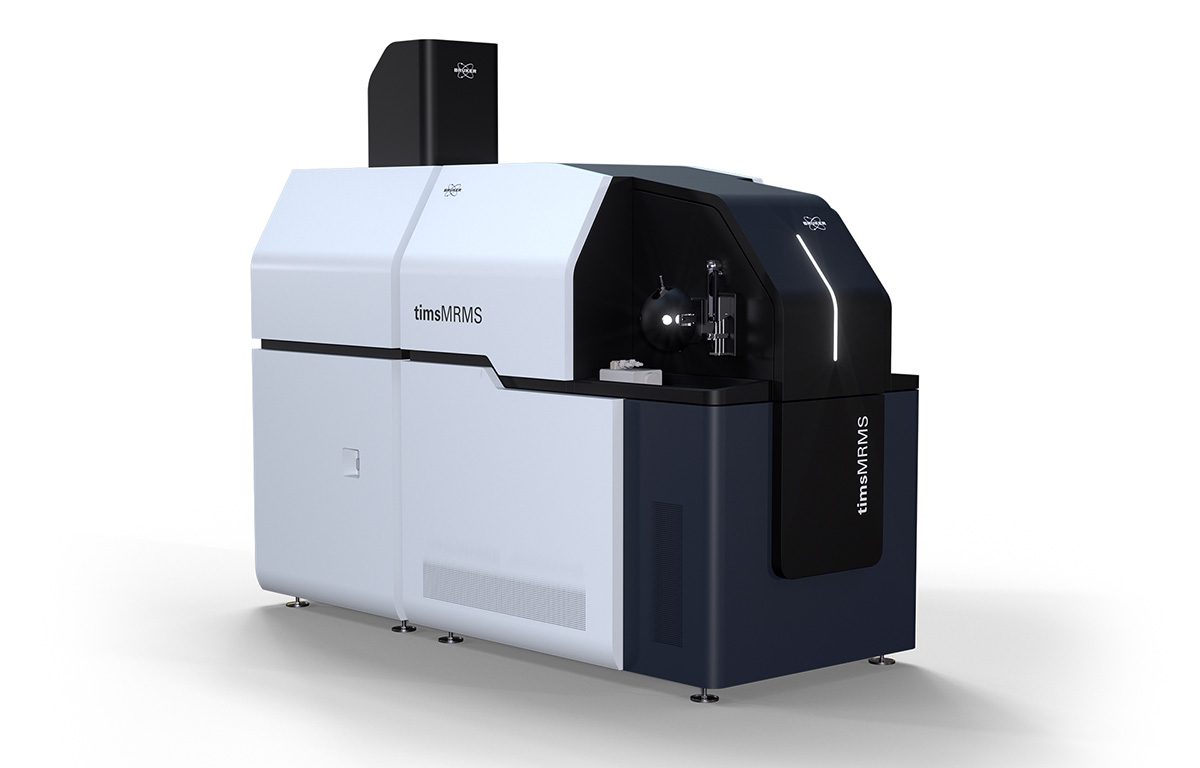
Key Takeaways
- Bruker has launched the timsMRMS, an advanced mass spectrometry platform combining trapped ion mobility spectrometry (TIMS) and magnetic resonance mass spectrometry (MRMS).
- The innovative system is designed to provide unprecedented molecular-level analysis of ultra-complex chemical mixtures found in next-generation battery materials and alternative fuels.
- For battery research, the timsMRMS platform offers critical insights into electrolyte formulations and the degradation mechanisms of the solid-electrolyte interphase (SEI), which significantly impacts battery performance and safety.
- Boasting a resolution greater than 10 million and sub-parts-per-million mass accuracy, the platform aims to overcome limitations of conventional mass spectrometry in characterizing highly complex samples.
- This new analytical tool is expected to accelerate advancements in energy research, providing scientists with greater clarity and confidence in material characterization.
In a significant development for advanced materials science and energy research, Bruker has officially launched its groundbreaking timsMRMS platform. This state-of-the-art mass spectrometry system integrates trapped ion mobility spectrometry (TIMS) with magnetic resonance mass spectrometry (MRMS), offering unparalleled capabilities for dissecting the intricate molecular compositions of next-generation battery materials and biofuels. The launch marks a pivotal moment in analytical technology, promising to unlock deeper insights into critical energy storage and production challenges.
The new platform is engineered to address the pervasive challenge of characterizing ultra-complex molecular mixtures, a common hurdle in the development of high-performance energy solutions. By combining two powerful analytical techniques, Bruker aims to provide researchers with a comprehensive tool that enhances clarity and precision in material analysis, pushing the boundaries of what is currently achievable with conventional methods.

Unlocking Secrets of Next-Generation Batteries
For researchers working on advanced battery technologies, the Bruker timsMRMS platform represents a transformative instrument. It is specifically designed to facilitate molecular-level analysis of critical components such as electrolyte formulations. Understanding the precise chemical makeup and behavior of electrolytes is fundamental to optimizing battery performance, extending lifespan, and ensuring safety.
Perhaps one of its most impactful applications lies in the detailed characterization of the solid-electrolyte interphase (SEI). The SEI is a thin, passivating layer that forms on the anode surface of lithium-ion batteries during the initial charge cycles. Despite its microscopic thickness, this layer exerts a profound influence on the battery’s overall capacity fade, safety protocols, and long-term operational lifespan. Any instability or undesirable growth of the SEI can severely compromise battery efficiency and lead to premature failure.
Overcoming Analytical Hurdles in SEI Research
The inherent chemical complexity of the SEI has historically presented immense difficulties for researchers relying on conventional mass spectrometry tools. The diverse array of organic and inorganic compounds, often present in trace amounts, makes precise identification and quantification a formidable task. This analytical bottleneck has slowed down progress in designing more robust and efficient battery systems.

The Bruker timsMRMS platform directly confronts these challenges. By offering exceptional analytical capabilities, it allows scientists to delve into the exact composition of the SEI and observe how these components evolve and change under various cycling conditions. Such detailed understanding is crucial for developing strategies to stabilize the SEI, thereby enhancing battery longevity and performance.
Advanced Technical Specifications for Enhanced Precision
The analytical prowess of the Bruker timsMRMS platform is underpinned by its impressive technical specifications. The system boasts a resolution exceeding 10 million, a metric indicative of its ability to distinguish between molecules with very similar masses. This high resolution is critical when dealing with complex matrices where minor compositional differences can have significant functional consequences.
Complementing this high resolution is the platform’s sub-parts-per-million (sub-ppm) mass accuracy. This level of precision ensures that researchers can confidently identify molecular species, minimizing ambiguity in compound assignment. Furthermore, the inclusion of isotope fine structure identification capabilities allows for unambiguous elemental composition determination, providing an even deeper layer of structural information about the analyzed molecules.
Expert Perspectives on the Innovation
Dr. Paul Speir, Senior Vice President, Global MRMS Business at Bruker, emphasized the critical need for such advanced tools in contemporary energy research. “Many application areas in energy research present extreme levels of chemical diversity that are incredibly challenging,” Dr. Speir stated. He further added, “With the timsMRMS, we are equipping energy researchers with a complete unique tool that provides greater clarity and confidence in characterizing the extreme chemical complexity of next-generation batteries and alternative fuels.” His comments underscore the platform’s role in pushing the boundaries of scientific discovery and applied research in these vital sectors.
Broader Applications in Alternative Fuels and Beyond
While the immediate focus for the timsMRMS platform is heavily centered on battery materials, its capabilities extend significantly into the realm of alternative fuels. Biofuels, much like battery electrolytes, are characterized by their inherent chemical diversity and complexity. The ability to precisely characterize molecular mixtures in biofuels is essential for optimizing their production processes, improving combustion efficiency, and reducing environmental impact.
The high resolution, mass accuracy, and ion mobility separation offered by the timsMRMS platform make it an ideal tool for detailed analysis of various biofuel feedstocks, intermediates, and final products. This can lead to breakthroughs in developing more sustainable and efficient energy sources, contributing to global efforts in climate change mitigation and energy security.
The Future of Energy Research
The introduction of the Bruker timsMRMS platform signifies a crucial advancement in analytical instrumentation, providing scientists with the tools necessary to tackle some of the most pressing challenges in modern energy research. By offering unprecedented capabilities in molecular characterization, particularly for ultra-complex mixtures in battery materials and alternative fuels, this platform is expected to accelerate the development of more efficient, safer, and sustainable energy technologies.
As the world continues to seek innovative solutions for energy storage and production, the ability to precisely understand materials at a molecular level becomes increasingly critical. Bruker’s latest offering empowers researchers to gain this clarity, paving the way for the next generation of energy innovations.
Frequently Asked Questions (FAQ)
What is the Bruker timsMRMS platform?
The timsMRMS platform is a cutting-edge mass spectrometry system developed by Bruker. It uniquely combines trapped ion mobility spectrometry (TIMS) with magnetic resonance mass spectrometry (MRMS) to offer advanced capabilities for analyzing extremely complex molecular mixtures found in various materials, particularly in energy research.
What are the primary applications of timsMRMS in battery research?
In battery research, the timsMRMS platform is primarily used for the molecular-level analysis of electrolyte formulations and the detailed characterization of the solid-electrolyte interphase (SEI) degradation. This helps researchers understand factors affecting battery capacity fade, safety, and overall lifespan.
Why is analyzing the solid-electrolyte interphase (SEI) important?
The SEI is a crucial layer on the anode surface of batteries that forms during initial charging. Its composition and stability significantly influence the battery’s performance, safety, and longevity. Accurate analysis of the SEI helps in developing strategies to prevent capacity loss and extend battery life.
How does the timsMRMS platform improve upon conventional mass spectrometry?
Conventional mass spectrometry often struggles with the extreme chemical complexity of battery materials and biofuels. The timsMRMS platform overcomes this with a resolution greater than 10 million, sub-parts-per-million mass accuracy, and isotope fine structure identification, providing much greater clarity and confidence in molecular characterization.
Can the timsMRMS platform be used for biofuel analysis?
Yes, beyond battery materials, the timsMRMS platform is also designed for the characterization of alternative fuels like biofuels. Its ability to analyze ultra-complex molecular mixtures makes it highly valuable for optimizing biofuel production, understanding their chemical properties, and improving their efficiency.
What are the key technical specifications of the timsMRMS system?
The system boasts a resolution exceeding 10 million, ensuring precise separation of closely related molecules. It also offers sub-parts-per-million (sub-ppm) mass accuracy for confident molecular identification and includes isotope fine structure identification for robust elemental composition determination.