
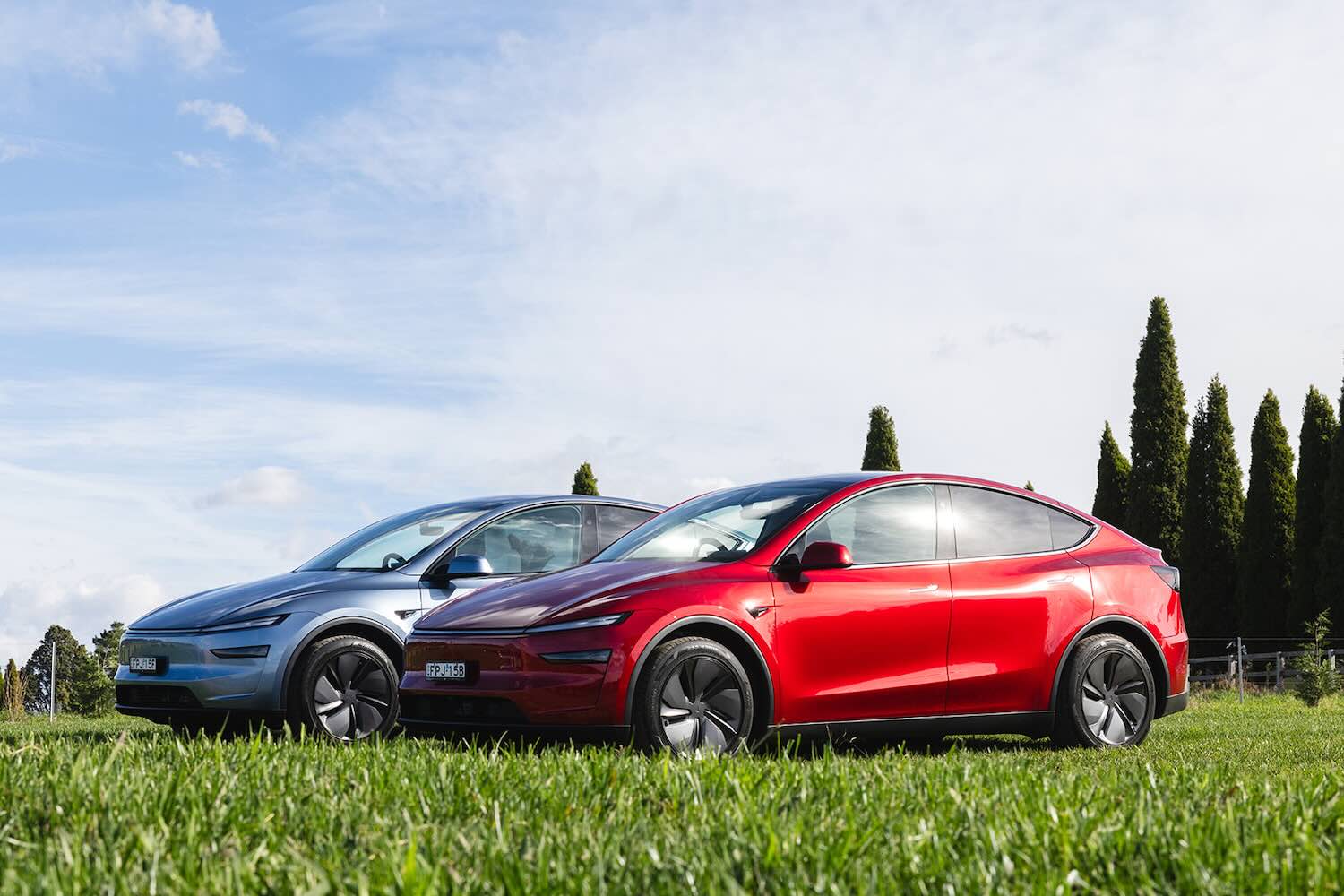
Tesla’s popular Model Y electric SUV is experiencing a significant surge in orders across Australia, leading to extended delivery lead times for consumers. This spike in demand is largely attributed to a recent and substantial increase in petrol and diesel prices nationwide, prompting a rapid shift in consumer interest towards more economical and sustainable transportation options. Potential buyers of certain Model Y variants are now facing wait times stretching up to four months, reflecting a robust uptake in the electric vehicle (EV) market.
Analysis of Tesla’s local Model Y configurator reveals that estimated delivery dates for multiple variants have noticeably lengthened. What was once a waiting period of just a few weeks has now expanded to an average of approximately two to three months. This development underscores the growing urgency among Australian consumers to transition away from traditional internal combustion engine (ICE) vehicles, particularly in the face of volatile fuel costs.

Escalating Wait Times for Tesla’s Best-Selling EV
The observed increase in lead times is a direct indicator of intensified market activity for Tesla’s best-selling electric SUV. Historically, shorter waiting periods for EVs could sometimes indicate a more nascent market or ample supply. However, the current situation points to a market rapidly maturing and an infrastructure grappling to keep pace with an unexpected surge in consumer appetite.
Customers who recently placed orders for the Model Y have been vocal about their revised delivery expectations. One new order holder shared their experience, stating: “I ordered my 2026 RWD model Y Ultra Red with black interior on Feb 16. They told me May/June. App still says Feb/March with no VIN etc.. so, I’m just expecting May/June.” Another prospective owner commented on the rapidly changing estimates, noting: “Ordered last Thursday and app shows March to May for me.” These anecdotes highlight the dynamic nature of delivery schedules in the current environment.
Impact of Rising Fuel Costs on Consumer Choices
The recent escalation in petrol and diesel prices throughout Australia has emerged as a critical catalyst driving consumers towards electric vehicles. For many households and businesses, the operational costs associated with traditional fuel-powered cars have become an increasingly significant financial burden. Electric vehicles, with their lower per-kilometre energy costs and reduced maintenance requirements, present a compelling economic alternative.

This economic pressure, combined with a growing awareness of environmental benefits, has created a fertile ground for EV adoption. The Model Y, known for its spaciousness, performance, and advanced technology, is positioned as an attractive option for families and individuals seeking a practical yet premium electric mobility solution. The direct correlation between fuel price hikes and increased EV orders signifies a tipping point in the Australian automotive landscape, where economic realities are accelerating the transition to electric.
Strategic Model Launches Bolster Market Appeal
The surge in Model Y orders also coincides with significant strategic developments from Tesla, including the introduction of new variants and enhancements to their offerings. These moves have collectively contributed to elevating the brand’s profile and broadening its appeal to a wider demographic of buyers.
The Arrival of the Six-Seater Model Y L
Just weeks prior to the reported spike in orders, Tesla unveiled its largest EV model in recent years for the Australian market: the six-seater Model Y L. This significant launch expanded the Model Y lineup, offering increased versatility and capacity, which is particularly attractive to larger families or those requiring more passenger space.
The Model Y L garnered considerable attention upon its earlier-than-expected arrival in the Australian market. Its introduction here marked one of the first instances of this popular model being made available outside of China, underscoring Australia’s growing importance in Tesla’s global strategy. The availability of a more spacious variant naturally expands the Model Y’s market reach, contributing to the overall increase in order volumes and subsequent lead time extensions.
Enhancing Customer Value: Warranty and Pricing Strategies
Tesla has also implemented key adjustments to its warranty policy and product naming conventions, strategically enhancing customer value and market clarity. These initiatives aim to boost buyer confidence and streamline the purchasing experience.
Unprecedented Warranty Offering Boosts Buyer Confidence
In a significant development in January 2026, Tesla announced a substantial upgrade to its vehicle warranty. All new purchases of Model 3 or Model Y vehicles, starting from the beginning of 2026, now come with an upgraded 5-year unlimited kilometre warranty. This replaces the previous coverage of 4 years or 80,000 kilometres, offering unprecedented peace of mind to new Tesla owners.
According to Tesla Australia, this enhanced warranty represents a global first, being offered in markets where Tesla vehicles are sold. Such a comprehensive warranty package not only demonstrates Tesla’s confidence in the durability and reliability of its vehicles but also significantly strengthens its competitive position. For potential buyers, a longer, unlimited-kilometre warranty can be a deciding factor, mitigating long-term ownership concerns and thereby stimulating further demand in the electric vehicle segment.
Streamlined Pricing and Market Positioning
January 2026 also saw Tesla implementing changes to its local lineup’s naming conventions, bringing them into closer alignment with its global branding strategy. This standardisation aims to provide greater clarity for customers worldwide and reinforce brand consistency. Concurrently, the company also confirmed that certain cheaper models available in other international markets would not be introduced in Australia and New Zealand, suggesting a strategic focus on premium offerings in these regions.
Tesla’s current local Model Y lineup, with prices listed before on-road costs, is structured as follows:
- Tesla Model Y Premium Rear-Wheel Drive – $58,900
- Tesla Model Y Premium Long Range All-Wheel Drive – $68,900
- Tesla Model Y Premium L All-Wheel Drive – $74,900
- Tesla Model Y Performance All-Wheel Drive – $89,400
This pricing structure, coupled with the refined model designations, aims to clearly delineate options for consumers while maintaining Tesla’s premium market positioning in Australia.
Future-Proofing with Advanced Driving Technology
Beyond vehicle specifications and warranty, Tesla continues to evolve its technology offerings, including its advanced driver-assistance systems. The timing of certain features can also influence purchasing decisions, particularly for early adopters and tech-savvy consumers.
FSD Supervised Subscription Dynamics
Last month, Tesla’s local arm made a significant announcement regarding its Full Self-Driving (FSD) Supervised software. The company confirmed the timing for a subscription-only offering of FSD Supervised in Australia and New Zealand. This new payment model will apply to customers who place an order for a Tesla vehicle after March 31, 2026.
This policy change introduces a strategic consideration for potential buyers. While FSD has historically been available as an upfront purchase, the transition to a subscription-only model for new orders past the cut-off date could serve as an incentive for some buyers to accelerate their purchase decisions. Those who prefer the one-time payment option for the popular self-driving software might be prompted to place their orders before the end of March, thereby contributing to the current surge in demand.
Broader Implications for Australia’s EV Transition
The escalating demand for the Tesla Model Y, evidenced by the extended lead times, is indicative of a broader and accelerating interest in electric vehicles across Australia. This trend is not merely a transient response to fuel prices but signifies a more fundamental shift in consumer preferences and a growing national commitment to cleaner transportation.
With interest in EVs at an all-time high, the pronounced spike in orders for Tesla’s local lineup is a positive indicator for the broader goal of increasing the number of cleaner cars on Australian roads in the coming months and years. Greater EV adoption contributes directly to reduced tailpipe emissions, improved urban air quality, and decreased reliance on fossil fuels, aligning with national environmental objectives.
The Road Ahead for Electric Vehicle Adoption
The current market dynamics suggest a robust future for electric vehicles in Australia. As more consumers experience the benefits of EVs—from lower running costs to advanced technology and a quieter driving experience—the momentum is expected to build further. The industry, including manufacturers, charging infrastructure providers, and policymakers, will need to adapt quickly to meet this evolving demand.
Journalists and market analysts will be closely monitoring how this significant surge in orders translates into official sales figures over the coming reporting periods. The data will provide crucial insights into the pace and scale of Australia’s transition to electric mobility. Readers can find a comprehensive overview of the market in The Driven’s 2026 EV Sales Breakdown here.