
Key Takeaways
- Volvo Cars has received a special authorization from the U.S. Department of Commerce to continue importing and selling connected cars in the United States.
- This authorization addresses concerns arising from Volvo’s ownership by China’s Geely, navigating new U.S. regulations targeting vehicles with software and hardware links to adversary nations.
- The Commerce Department’s rule restricts connected vehicles with Chinese or Russian software from the 2027 model year and hardware from the 2030 model year, aiming to mitigate national security risks.
- Despite its Chinese ownership, Volvo’s U.S.-bound vehicles are primarily imported from Europe or manufactured domestically, with the authorization confirming compliance, not exemption, from the rule’s core requirements.
- The decision ensures Volvo’s continued growth trajectory in the vital U.S. automotive market, while setting a precedent for other global automakers with complex supply chains.
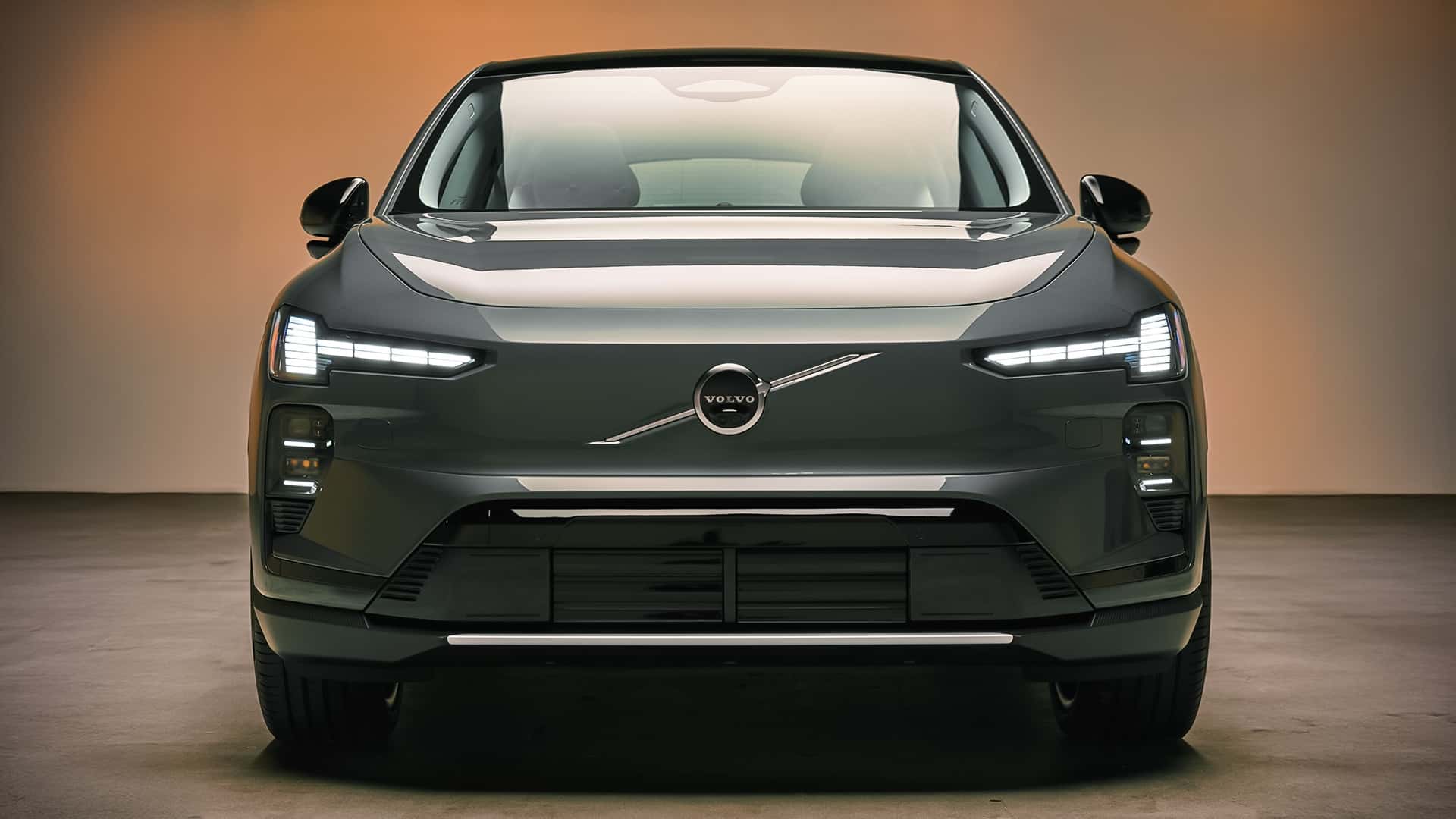
In a significant development for the global automotive sector, Volvo Cars, the renowned Swedish automaker under the ownership of China’s Geely, has successfully secured a special authorization from the U.S. Department of Commerce. This crucial approval permits the company to continue the import and sale of its advanced connected cars within the United States market, sidestepping potential disruptions from new, stringent regulations.
The authorization, granted by the Office of Information and Communications Technology and Services, comes at a time of heightened U.S. scrutiny over technology originating from nations deemed strategic adversaries. For Volvo, whose ownership structure placed it under the purview of these emerging rules, navigating this regulatory landscape was paramount to its operational continuity and growth ambitions in one of the world’s largest automotive markets.
Navigating New U.S. Regulations on Connected Vehicles
The impetus for Volvo’s proactive engagement with U.S. authorities stems from the Department of Commerce’s “Connected Car ICTS rule.” This regulation, designed to bolster national security, outlines specific restrictions on connected vehicles and their components. It primarily targets software and hardware deemed to pose risks, particularly those designed, developed, manufactured, or supplied by entities owned by, controlled by, or subject to the jurisdiction or direction of countries like China and Russia.
The rule’s implementation timeline is phased, with restrictions on software originating from China and Russia commencing with the 2027 model year. Subsequently, limitations on hardware from these nations will take effect starting with the 2030 model year. This staggered approach provides manufacturers a window to adjust their supply chains and ensure compliance, highlighting the long-term strategic implications for the automotive industry.
A spokesperson for Volvo Car USA clarified the nature of the authorization, stating, “The Connected Car ICTS rule has software requirements that all OEMs in the U.S. must comply with, not just Volvo Cars, and our specific authorization is not an exemption from these requirements.” This underscores that while Volvo has gained clarity on its status, it remains subject to the rule’s overarching compliance framework for all automakers operating in the U.S.
The Rationale Behind the Restrictions: National Security and Data Integrity
The U.S. government’s decision to implement these sweeping restrictions on connected cars is rooted in profound national security concerns. Officials have articulated fears that certain foreign-sourced equipment could be “easily exploitable” by governments with malicious intent. The potential risks encompass a range of threats, from the unauthorized exfiltration of sensitive data to the remote control of vehicle fleets, posing significant cybersecurity challenges and privacy implications for American consumers.
Specifically, the rule prohibits the import into the U.S. of hardware and software “designed, developed, manufactured, or supplied by persons owned by, controlled by, or subject to the jurisdiction or direction of” China. It also explicitly targets “completed connected vehicles that incorporate covered software” from these sources. This broad definition ensures that the protective measures extend beyond mere manufacturing location to the entire technological ecosystem of a vehicle.
Defining ‘Connected Cars’ Under the New Rule
It is important to note that not all connected cars fall under the direct scope of these regulations. The rule specifically focuses on advanced functionalities that could pose the highest risk. This includes software that enables sophisticated automated driving capabilities, moving beyond simpler driver-assistance features like adaptive cruise control or lane-keeping assist. Furthermore, it covers vehicle connectivity systems that link to satellite, cellular, and Wi-Fi networks, which are crucial for over-the-air updates, infotainment, and emergency services.
This targeted approach means that companies cannot ship cars equipped with Chinese hardware and software that meet the defined criteria, irrespective of where the vehicle itself was assembled. The regulation prioritizes the origin of critical components and software over the final assembly point. Moreover, manufacturers with direct ties to the Chinese government are explicitly barred from selling completed connected cars in the U.S., even if their components and software are sourced from elsewhere, reinforcing the emphasis on ownership and control.
Volvo’s Global Footprint and U.S. Market Strategy
Volvo Cars maintains a complex global manufacturing and supply chain network, which necessitates careful navigation of international trade regulations. While certain popular models, such as the best-selling XC60 crossover and the compact XC40, are assembled in China for specific global markets, Volvo ensures its U.S.-spec vehicles comply with local requirements.
For the U.S. market, the new Volvo EX90 electric SUV is notably built stateside, demonstrating a strategic localized production effort. All other Volvo models currently sold in the U.S. are imported from European manufacturing facilities. The company also operates a design facility in Shanghai, reflecting its global design capabilities. This diversification in manufacturing and design allows Volvo to maintain a robust global presence while adapting to regional regulatory nuances.
The special authorization effectively solidifies Volvo’s position in the U.S. market, confirming its ability to continue offering its full range of advanced connected cars. This predictability is vital for the automaker’s long-term investment plans, dealer networks, and consumer confidence, ensuring that the brand can continue to execute its strategic objectives, particularly its ambitious electrification roadmap.
Broader Implications for the Automotive Industry
The U.S. Department of Commerce’s rule on connected cars and Volvo’s successful authorization highlight a growing trend of national security concerns intersecting with global commerce and technological advancement. This regulatory environment creates a complex operational landscape for multinational automotive manufacturers.
Other original equipment manufacturers (OEMs) with substantial ties to, or supply chains routed through, China and Russia are likely to face similar scrutiny. The need to audit and potentially reconfigure intricate global supply chains for critical automotive components – particularly those related to vehicle intelligence, communication, and automated driving – will become a defining challenge for the industry in the coming years. This situation underscores the increasing importance of supply chain resilience, transparency, and geopolitical considerations in strategic business planning for companies operating in the technology-driven automotive sector.
Looking Ahead: Volvo’s Continued U.S. Growth
With this specific authorization, Volvo Cars is poised to continue its planned expansion and innovation within the U.S. market. The clarity provided by the Department of Commerce allows the company to focus on its product development, sales, and service strategies without the immediate threat of import restrictions on its technologically advanced vehicles.
As the automotive landscape rapidly evolves towards greater connectivity, automation, and electrification, the ability to deliver state-of-the-art connected cars is critical for competitiveness. Volvo’s proactive approach and successful navigation of these complex regulations serve as a testament to its commitment to the U.S. market and its capacity to adapt to evolving geopolitical and technological demands.
Frequently Asked Questions (FAQ)
Q1: Why did Volvo need special authorization to import connected cars to the U.S.?
Volvo, owned by China’s Geely, was required to seek special authorization due to new U.S. Department of Commerce rules. These regulations target connected vehicles with software and hardware links to China and Russia, aiming to mitigate national security risks associated with potential data exploitation or remote control by foreign governments.
Q2: What is the U.S. Department of Commerce’s “Connected Car ICTS rule”?
The “Connected Car ICTS rule” restricts the import and sale of connected vehicles that use software or hardware designed, developed, manufactured, or supplied by entities under the jurisdiction of China or Russia. It aims to protect U.S. national security by preventing potential espionage or disruption through vehicle technology.
Q3: When do these U.S. restrictions on connected cars take effect?
The restrictions on connected car software from China and Russia are effective for the 2027 model year. For hardware components from these countries, the restrictions will begin with the 2030 model year. This phased implementation allows the automotive industry time to adjust its supply chains.
Q4: Does this authorization mean Volvo is exempt from the new rules?
No, the authorization is not an exemption. A Volvo Car USA spokesperson confirmed that “our specific authorization is not an exemption from these requirements.” It signifies that Volvo has followed the necessary process with the Department of Commerce and can continue operations while still complying with the rule’s broader mandates.
Q5: Which specific technologies in connected cars are targeted by the rule?
The rule specifically targets software enabling automated driving features (beyond basic driver-assistance) and vehicle connectivity systems that link to satellite, cellular, and Wi-Fi networks. This focus is on technologies deemed critical for potential data collection, remote access, or operational control by foreign entities.
Q6: Where does Volvo manufacture the cars it sells in the U.S.?
For the U.S. market, the Volvo EX90 is manufactured domestically in the U.S. Most other models sold in the U.S. are imported from Volvo’s European manufacturing facilities. While some XC60 and XC40 models are assembled in China for other markets, U.S.-spec vehicles comply with these sourcing requirements.
Q7: What are the broader implications of these rules for the automotive industry?
These regulations compel global automakers to meticulously audit and potentially reconfigure their supply chains, especially for critical software and hardware components in connected cars. They highlight a growing intersection of national security, geopolitics, and technological sourcing, affecting strategic planning for all manufacturers with complex international operations.