
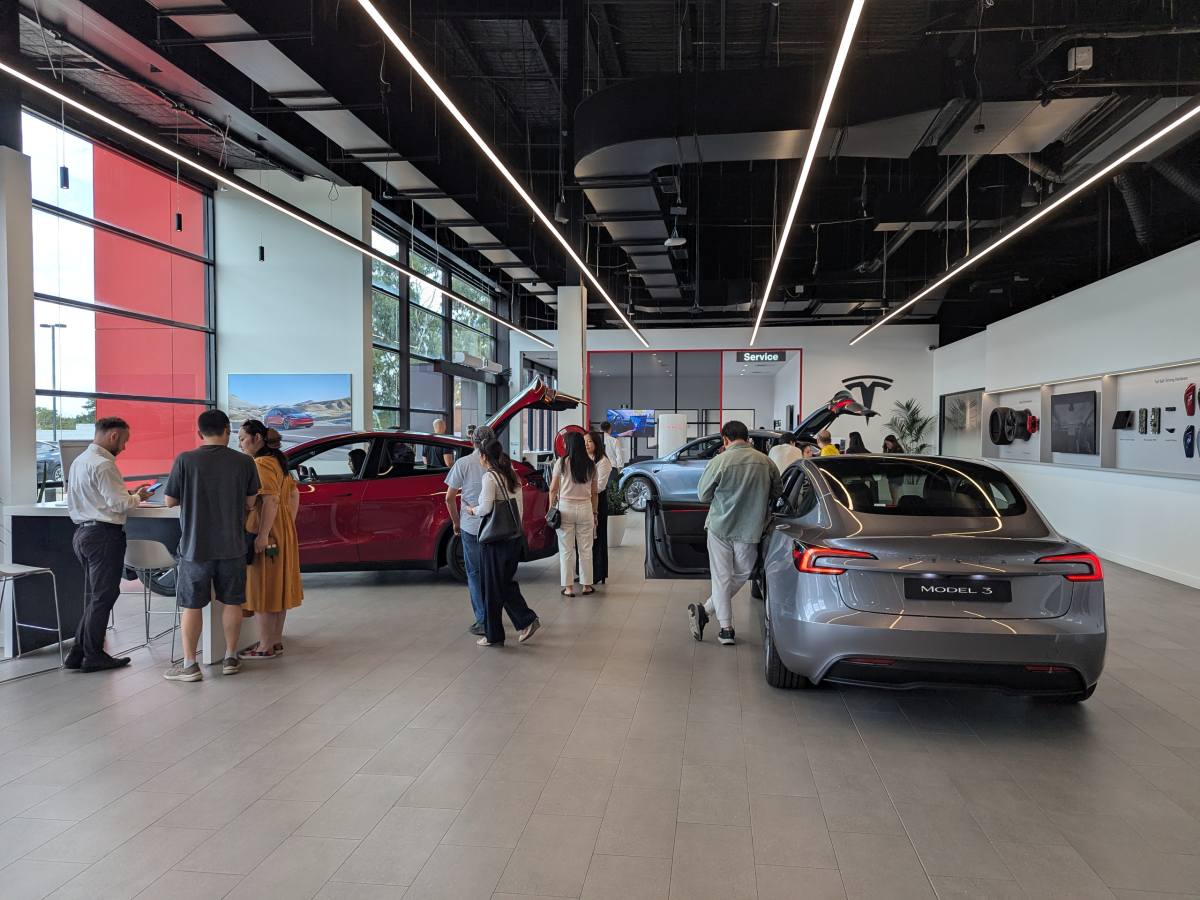
Australia is witnessing an unprecedented surge in electric vehicle adoption, with EV registrations experiencing a dramatic uptick of nearly 50 per cent in March 2026. This marks an all-time high in several key markets, signaling a significant shift in consumer preference fueled by escalating petrol prices and widespread concerns over an ongoing fuel crisis.
The latest data, meticulously compiled by specialist EV data firm carloop, underscores the accelerating transition towards electric mobility across the nation. This remarkable growth trajectory positions 2026 as a potentially landmark year for EV registrations Australia, reshaping the country’s automotive landscape.

Record Surge in EV Registrations Across States
New South Wales (NSW), the nation’s most populous state, has emerged as a frontrunner in this electric revolution. According to carloop’s comprehensive analysis, nearly 4,000 new electric vehicles were registered in NSW during March 2026 alone. This figure represents an impressive increase of almost 50% compared to the registrations recorded in the preceding month.
This substantial influx of new battery-electric vehicles (BEVs) has significantly bolstered the state’s total electric fleet. The cumulative number of battery-electric passenger vehicles on NSW roads now stands at an impressive 112,228, demonstrating the rapid pace of electrification.
The trend extends beyond NSW, with other states mirroring similar growth patterns. Data from South Australia, for instance, reveals a robust 44% increase in EV registrations in March 2026 when compared to figures from February 2026. These statistics collectively paint a clear picture of a national acceleration in electric vehicle uptake.

The Fuel Crisis: A Pivotal Catalyst for EV Adoption
Industry analysts and market observers attribute this unprecedented spike in EV registrations Australia primarily to the prevailing economic pressures stemming from the volatile fuel market. The recent, sharp rise in petrol prices, coupled with anxieties surrounding a potential long-term fuel crisis, has prompted a re-evaluation of vehicle ownership costs among Australian consumers.
Electric vehicles, with their significantly lower running costs per kilometer and reduced reliance on imported fossil fuels, present an increasingly attractive alternative. The economic advantages, including cheaper charging compared to refueling and reduced maintenance, are becoming undeniable for a growing segment of the population.
This economic incentive is proving to be a powerful driver, pushing many prospective car buyers towards electric models who might not have considered them previously. The perceived future stability of electricity costs versus the unpredictability of petrol prices further solidifies the appeal of EVs during this period of uncertainty.
Beyond New Sales: Indicators of Soaring Demand
The surge in EV registrations is just one facet of a broader increase in demand for electric vehicles. Forward-looking indicators, such as burgeoning order books and extended wait times, confirm a robust and sustained interest in electric mobility across Australia.
A notable example comes from Omoda Jaecoo, which reported a doubling of its order books for its $36,990 driveway price vehicle in just two weeks, escalating from 2,000 to 4,000 orders. This rapid accumulation of pre-orders highlights the eagerness of consumers to secure new electric models.
Similarly, the wait time for popular Tesla EV models has reportedly stretched out to several months, indicating that demand is currently outstripping immediate supply. This phenomenon is a strong signal of a healthy and expanding market for electric vehicles, reinforcing the trend seen in EV registrations Australia.
Further evidence of heightened interest can be observed across various segments of the market. Origin Energy, a prominent energy retailer, has reportedly exhausted its supply of electric vehicles available through its subscription service, showcasing the popularity of flexible ownership models.
Beyond new car sales, there is also a discernible surge of interest in electric vehicles at auctions, in the second-hand online market, and directly in showrooms. This holistic demand across different purchase avenues underscores a fundamental shift in consumer behavior and preference towards electric mobility.
Diversifying the Market: New Models and Affordability
The expanding range and increasing accessibility of electric vehicle models are playing a critical role in facilitating this rapid uptake. The market is becoming more diverse, offering options to cater to a wider array of consumer needs and budgets, which directly impacts EV registrations Australia.
Tesla’s recent launch of its 6-seater Model Y L, one of its largest EV models in recent years, has opened up new avenues for buyers requiring more than five seats in an electric vehicle. This addresses a crucial market segment, particularly families and those needing greater passenger capacity.
Looking ahead, major manufacturers like Toyota and MG have both signaled the imminent release of electric utes. The introduction of electric utility vehicles is anticipated to further broaden the market, catering to tradespeople, fleets, and rural consumers who rely heavily on such vehicles for work and lifestyle.
Critically, the availability of more affordable electric vehicle models is proving to be a key catalyst for mass adoption. Recent weeks have seen a notable influx of new electric models, particularly in the electric hatchback segment, arriving on the Australian market with competitive price tags.
Several models, including the GAC Aion UT and the MG4 EV Urban, are now available for under $32,000 driveaway. This increasing affordability makes electric vehicle ownership attainable for a broader demographic, with even more budget-friendly options expected to hit the market by the second quarter of 2026.
Paving the Way for a Greener Automotive Future
While official sales figures from the Electric Vehicle Council and the Federal Chamber of Automotive Industries (FCAI) are anticipated in the coming days, early analyses based on March 2026 EV registrations and forward-looking demand indicators paint an optimistic picture.
The current trajectory strongly suggests that 2026 is poised to be Australia’s most successful year yet for electric vehicle adoption. This sustained momentum could have profound implications for Australia’s commitment to reducing transport emissions and transitioning towards a more sustainable energy future.
The confluence of economic pressures from the fuel crisis, expanding model availability, increasing affordability, and a growing public awareness of environmental benefits are collectively driving this transformative period. As the market matures and infrastructure develops, the landscape of EV registrations Australia is set for continued, robust expansion.