
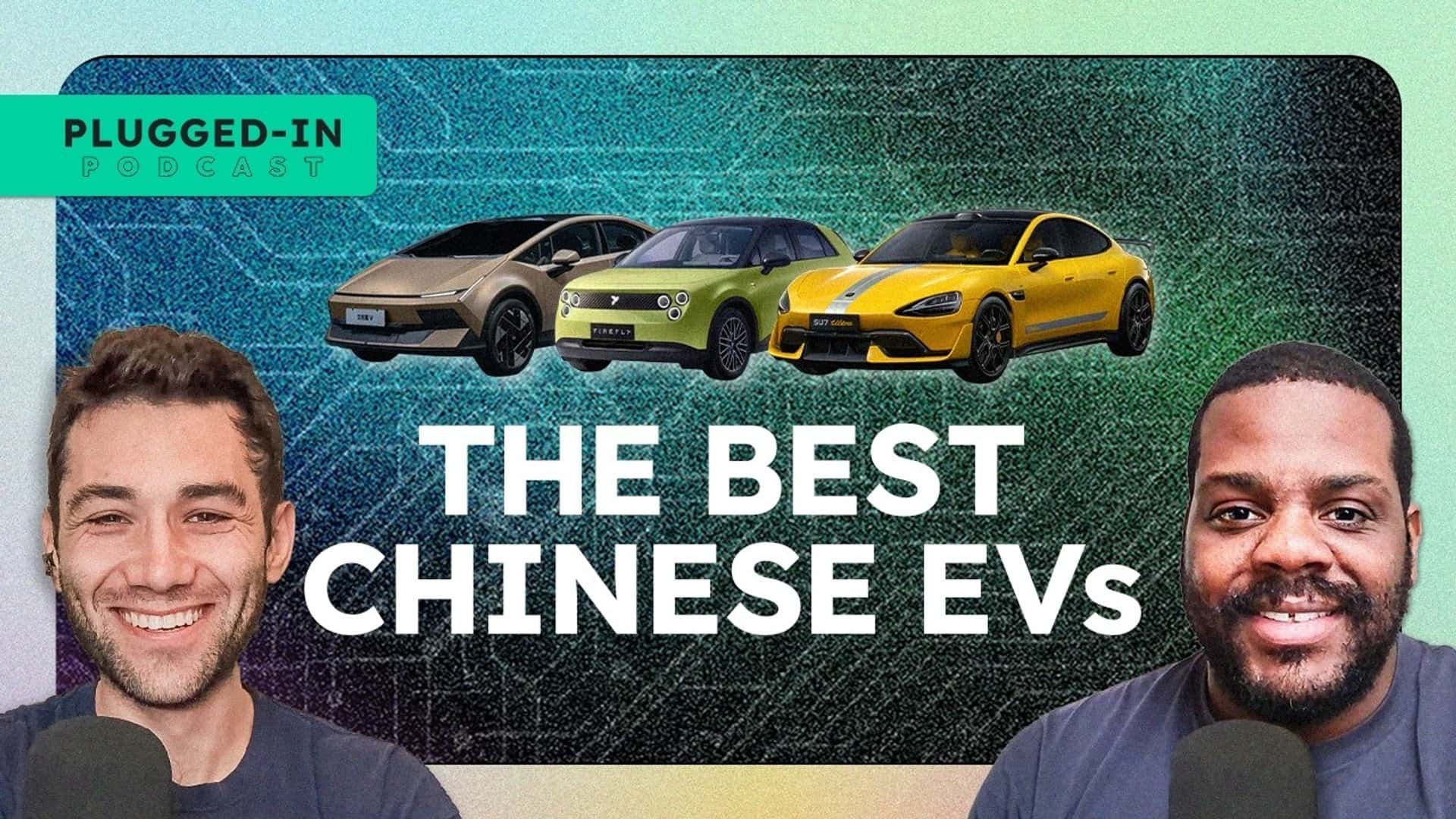
The Beijing Auto Show, widely recognized as a pivotal event in the global automotive calendar, recently concluded, once again affirming China’s undeniable influence on the electric vehicle (EV) landscape. This year’s exhibition showcased a remarkable spectrum of innovation, from high-performance electric cars designed by tech giants to highly affordable mass-market successes, alongside compelling new offerings from international automakers specifically tailored for the Chinese consumer. The event underscored a significant shift where both domestic Chinese manufacturers and established global brands are bringing their most advanced and market-specific solutions to what has become the world’s most critical auto show for electric mobility.
Insights from the ground reveal a fiercely competitive yet rapidly evolving environment. Discussions around the show’s highlights, as featured on the Plugged-In Podcast, shed light on the diverse array of vehicles making their debut or gaining significant traction. These range from cutting-edge, track-ready machines demonstrating raw power and technological prowess, to practical, economical models reshaping everyday transportation. Moreover, the show highlighted a strategic pivot by non-Chinese brands, indicating a heightened commitment to capturing a share of the world’s largest and most dynamic car market.
Key Takeaways from the Beijing Auto Show
TL;DR
- The Beijing Auto Show reinforces China’s central role in the global automotive and electric vehicle industries, hosting both local and international innovations.
- Chinese manufacturers are pushing boundaries with diverse offerings, from high-performance EVs like the Xiaomi SU7 Ultra to best-selling economy models such as the Geely EX2.
- Foreign brands, including Hyundai and Ford, are increasingly localizing their product strategies, unveiling China-specific models like the Hyundai Ioniq V and Ford Bronco New Energy.
- Technological integration, exemplified by the Nio Firefly’s Nintendo Switch feature, highlights a focus on unique consumer experiences beyond traditional automotive attributes.
- The show demonstrates a growing understanding among global automakers of the distinct preferences and demands of the Chinese EV market, leading to specialized vehicle development.
The Beijing Auto Show: A Global Automotive Barometer
China’s automotive market is not merely large; it is a crucible of innovation, particularly in the realm of electric vehicles. The Beijing Auto Show serves as a vital platform where future trends are unveiled, and the competitive strategies of global and local players become evident. For many industry observers, its prominence now rivals, if not surpasses, traditional Western auto shows, especially concerning new energy vehicles (NEVs).
The sheer volume and diversity of electric vehicle launches underscore the rapid pace of development and consumer adoption within China. This market’s scale allows for unprecedented experimentation and rapid iteration, pushing manufacturers to constantly evolve their offerings. The show highlights how consumer preferences in China are shaping not only local product development but also influencing global automotive design and technological integration.
Chinese Innovation: From Performance to Practicality
The showcase of Chinese-made EVs at the Beijing Auto Show offered a comprehensive look at the country’s manufacturing capabilities, spanning the entire spectrum of consumer needs and preferences.
The High-Tech, High-Performance Xiaomi SU7 Ultra
A prime example of China’s technological ambition is the Xiaomi SU7 Ultra. This track-ready electric vehicle, developed by the prominent consumer electronics giant Xiaomi, represents a significant foray into the high-performance EV segment. Its presence at the show, and subsequent test drives by experts like Kevin Williams, signify a trend where tech companies are leveraging their software and hardware expertise to disrupt the traditional automotive industry. The SU7 Ultra is designed to offer a blend of cutting-edge technology and exhilarating driving dynamics, aiming to appeal to performance enthusiasts seeking advanced electric mobility solutions.
The successful transition of a consumer tech company into a credible automotive manufacturer highlights the convergence of these two industries. Xiaomi’s entry into the EV market emphasizes the importance of integrated smart technologies, user-centric design, and seamless digital ecosystems within modern vehicles. This strategy aims to redefine the driving experience, making it more connected and intuitive, which resonates strongly with tech-savvy consumers in China and potentially globally.
The Mass-Market Success of the Geely EX2
At the opposite end of the market spectrum lies the Geely EX2, a vehicle that epitomizes practical and affordable electric transportation. Described as a “cheap Chinese grocery-getter,” the EX2 has rapidly ascended to become the country’s best-selling vehicle, surpassing even popular models like the BYD Seagull. This success is not accidental; it reflects a deep understanding of the mass market’s demand for economical, reliable, and functional electric vehicles.
The Geely EX2’s market dominance underscores a critical aspect of China’s EV adoption: accessibility. By offering a highly affordable entry point into electric mobility, Geely is addressing a vast demographic that prioritizes cost-effectiveness and utility over luxury or extreme performance. Its ability to outperform established EV models like the BYD Seagull points to the strength of its value proposition and its resonance with a broad segment of everyday consumers seeking sustainable transport solutions without a hefty price tag.
The Nio Firefly: Innovation in Compact EVs
Positioned somewhere in the middle of this diverse market, the Nio Firefly represents another facet of Chinese EV innovation. This compact, “cutesy EV” has been available for some time, but its recent debut of “Nintendo Switch integration” at the Beijing Auto Show captured significant attention. Such features highlight a growing trend in the automotive industry to enhance in-car entertainment and connectivity, catering to younger demographics and those seeking integrated lifestyle experiences within their vehicles.
The Nio Firefly’s approach to blending entertainment with transportation demonstrates a sophisticated understanding of modern consumer expectations. Beyond basic functionality, car manufacturers are now focusing on creating immersive and engaging cabin environments. This focus on unique features and personalized experiences helps to differentiate models in a crowded market and appeals to consumers looking for more than just a means of travel.
Global Players Elevate Their China Strategy
A notable trend at this year’s Beijing Auto Show was the renewed commitment and strategic adaptations demonstrated by non-Chinese brands. Recognizing the unique demands and immense potential of the Chinese market, global automakers are increasingly developing vehicles specifically tailored for this region, rather than simply importing global models.
Hyundai Ioniq V: Designed for China
Hyundai’s introduction of the Ioniq V serves as a prime example of this localized strategy. This wedge-shaped beauty was created “specifically for the world’s biggest car market.” The design and features of the Ioniq V are engineered to align with the specific aesthetic preferences, technological expectations, and driving conditions prevalent in China. This move signifies a deeper understanding from international manufacturers that a one-size-fits-all approach is no longer effective in such a mature and competitive EV landscape.
Developing bespoke models like the Ioniq V allows global brands to resonate more authentically with Chinese consumers. It demonstrates an investment in understanding local tastes, from exterior styling to interior technological interfaces, thereby strengthening their market position and competitiveness against well-established domestic players.
Ford Bronco New Energy: A China-Only Extended-Range SUV
Similarly, Ford presented the Bronco New Energy, a rugged, China-only extended-range SUV. The expert verdict, “Americans are missing out on this one,” speaks volumes about the innovative features and robust design tailored for the Chinese market that might appeal to consumers elsewhere. As an Extended-Range Electric Vehicle (EREV), it combines an electric powertrain with a small internal combustion engine that acts as a generator, addressing potential range anxiety while offering the benefits of electric driving. This powertrain configuration is particularly popular in China, reflecting specific consumer demands and infrastructure availability.
The Ford Bronco New Energy’s design and EREV technology showcase how global automakers are adapting their iconic brands to local market demands for new energy vehicles. By offering a blend of rugged capability with advanced, range-extending electric power, Ford aims to capture a segment of the Chinese market seeking versatile and environmentally conscious SUVs. This localized product development ensures that the brand remains relevant and competitive within China’s rapidly evolving automotive landscape.
The Evolving Landscape of Electric Mobility
The Beijing Auto Show served as a powerful reminder of China’s pivotal role in shaping the future of electric mobility. The intense competition, rapid technological advancements, and diverse product offerings—from high-performance EVs to practical urban commuters—highlight a dynamic and innovative market. Both domestic powerhouses and international giants are now fully engaged in a strategic race to define the next generation of electric vehicles, with implications extending far beyond Chinese borders.
The show’s exhibits confirm that consumer choice is broadening, and innovation is accelerating at an unprecedented pace. Manufacturers are responding to a sophisticated market that demands not only efficiency and sustainability but also advanced technology, unique features, and tailored experiences. The insights gained from the Beijing Auto Show will undoubtedly influence product development and market strategies globally for years to come, solidifying its status as an indispensable event for the automotive industry.
Frequently Asked Questions (FAQ)
What is the significance of the Beijing Auto Show for the global automotive industry?
The Beijing Auto Show has become one of the world’s most important automotive exhibitions, particularly for electric vehicles. It serves as a crucial platform where global and Chinese manufacturers unveil new technologies, models, and strategies, reflecting China’s status as the largest and most dynamic car market, especially for EVs.
Which Chinese EV models generated significant buzz at the show?
Notable Chinese EV models included the high-performance, track-ready Xiaomi SU7 Ultra, representing a tech giant’s foray into automotive, and the Geely EX2, a highly affordable and practical electric vehicle that has become China’s best-seller due to its value proposition.
How are international automakers adapting to the Chinese market?
International brands are increasingly developing China-specific models to cater to local preferences and demands. Examples include Hyundai’s Ioniq V, a wedge-shaped beauty designed specifically for the market, and the Ford Bronco New Energy, a rugged, China-only extended-range SUV, showcasing localized product strategies.
What unique technological features were highlighted in some EVs?
The Nio Firefly, a compact EV, garnered attention for its unique “Nintendo Switch integration.” This feature highlights a trend towards enhancing in-car entertainment and connectivity, offering unique consumer experiences beyond traditional driving functions and appealing to tech-savvy demographics.
What is an Extended-Range Electric Vehicle (EREV), like the Ford Bronco New Energy?
An EREV is a type of electric vehicle that combines an electric motor for propulsion with a small internal combustion engine that acts primarily as a generator. This system allows the vehicle to run on electricity for a significant range, with the engine extending the total range by recharging the battery, mitigating range anxiety.
Why is affordability a key factor in the Chinese EV market, as seen with the Geely EX2?
Affordability is crucial because it makes electric vehicles accessible to a broader consumer base, including the mass market. The success of models like the Geely EX2 demonstrates that a significant portion of Chinese consumers prioritize cost-effectiveness, practicality, and reliability in their vehicle choices, driving high sales volumes in the economy EV segment.