
Key Takeaways:
- The Boise School District (BSD) will deploy eight new electric school buses and their charging infrastructure for the 2026-27 academic year.
- This initiative serves 21,650 students across 47 schools, marking a significant step towards sustainable student transportation.
- BSD secured a substantial grant of $2.76 million through the U.S. Environmental Protection Agency’s (EPA) Clean School Bus Program to fund the acquisition.
- The project is a collaborative effort involving BSD, Durham School Services for operations, and Highland Electric Fleets, which provides its ‘Electrification-as-a-Service’ (EaaS) model for comprehensive fleet management.
- The transition to electric school buses is projected to significantly reduce local air pollution, enhancing respiratory health for students, particularly by lowering the risk of pediatric asthma.
Boise Embraces Sustainable Student Transportation with EV Fleet Expansion
Boise, Idaho – The Boise School District (BSD), a prominent educational institution serving approximately 21,650 students across its 47 schools, is set to significantly modernize its transportation infrastructure. The district has officially announced the deployment of eight advanced IC Bus electric school buses, complete with essential supporting charging infrastructure, slated to commence operations for the 2026-27 school year. This strategic move underscores BSD’s commitment to environmental stewardship and student well-being, positioning it at the forefront of clean transportation initiatives.

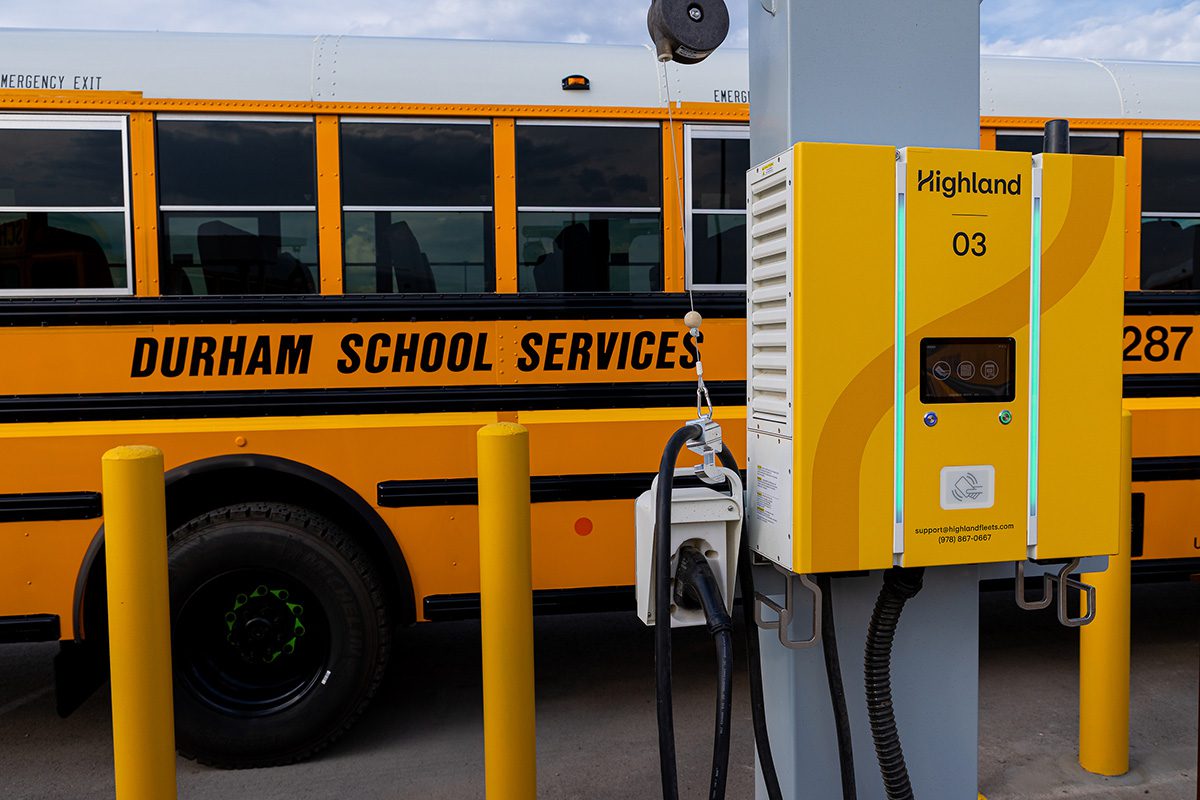
This ambitious electrification project is a result of a robust partnership between the Boise School District, Durham School Services, which will operate the new fleet, and Highland Electric Fleets, a leader in providing comprehensive electrification solutions. The collaboration highlights a growing national trend where public-private partnerships are instrumental in accelerating the transition to more sustainable public services.
Federal Funding Propels Boise’s Green Transition
A crucial catalyst for this initiative is the substantial financial backing received by the Boise School District. BSD was awarded an impressive $2.76 million through the U.S. Environmental Protection Agency’s (EPA) Clean School Bus Program. This federal grant program is designed to accelerate the replacement of existing school buses with zero-emission and low-emission models, thereby reducing greenhouse gas emissions, saving energy costs, and delivering cleaner air to communities.
The EPA’s Clean School Bus Program represents a critical investment in public health and environmental protection, offering funding to school districts and eligible contractors for the purchase of clean school buses and the development of necessary charging infrastructure. Such grants are vital in mitigating the higher upfront costs associated with electric vehicle technology, making these sustainable alternatives more accessible for educational institutions nationwide.

The Electrification-as-a-Service Model: A Seamless Transition
The successful implementation of Boise School District’s electric bus fleet is significantly supported by Highland Electric Fleets’ innovative Electrification-as-a-Service (EaaS) model. This comprehensive service approach streamlines the often-complex process of transitioning to electric transportation for school districts and transportation providers.
Highland Electric Fleets played a pivotal role throughout BSD’s electrification journey, offering expertise from the initial planning stages through to vehicle and charging infrastructure deployment. Beyond the initial setup, their EaaS model encompasses the long-term management of the electric fleet, including maintenance, energy management, and operational support. This full-service approach ensures that districts can adopt advanced sustainable technology without the burden of extensive in-house expertise or capital expenditures.
By managing the entire lifecycle of the electric fleet, Highland Electric Fleets enables school districts like Boise to focus on their core mission of education, while benefitting from reliable, environmentally friendly, and cost-effective student transportation. This model is rapidly gaining traction as a preferred solution for accelerating the adoption of electric school buses across various communities.
Enhancing Community Health and Building a Sustainable Future
The deployment of these eight electric school buses is more than just an upgrade to the district’s fleet; it represents a profound investment in the health and future of the Boise community. School bus electrification directly addresses concerns related to air quality, particularly around school premises where children are most vulnerable to pollutants from traditional diesel engines.
Boise School District Superintendent Wendy Johnson articulated the broader vision behind this initiative. She stated, “Bringing these eight electric school buses into service is an important investment in modernizing student transportation, being good neighbors by using public resources responsibly and building a more sustainable future for our community.” Her statement underscores the multi-faceted benefits, ranging from operational modernization to responsible resource utilization and long-term environmental sustainability.
The health implications of transitioning away from diesel-powered buses are particularly compelling. Diesel exhaust contains particulate matter and nitrogen oxides, which are known respiratory irritants and contributors to various health issues. Electric school buses, by producing zero tailpipe emissions, offer a cleaner and healthier ride for students and a cleaner environment for the communities they serve.
Brian Buccella, Chief Commercial Officer at Highland Electric Fleets, highlighted the tangible health benefits, stating, “Replacing just five diesel school buses with electric buses can reduce the risk of pediatric asthma for approximately 1,500 students.” This statistic powerfully illustrates the direct and positive impact that clean transportation technologies can have on the well-being of young people, especially those susceptible to respiratory conditions.
The reduction in local air pollution directly translates into improved public health outcomes, particularly for children who spend a significant portion of their day on school buses and in areas surrounding bus depots. Cleaner air contributes to fewer asthma attacks, reduced respiratory illnesses, and potentially better academic performance due to improved health.
Looking Ahead: A Blueprint for Cleaner Fleets
The Boise School District’s move to integrate electric school buses into its fleet serves as an inspiring example for other educational districts across the nation. This project demonstrates how thoughtful planning, strategic partnerships, and leveraging federal programs can lead to significant advancements in sustainable infrastructure.
As the 2026-27 school year approaches, the eight new electric school buses are poised to provide quieter, cleaner, and healthier transportation for thousands of Boise students. This initiative is a clear indicator of the growing momentum towards a future where sustainable energy and clean technology are integral to public services, driving both environmental benefits and community well-being.
The collaboration between government funding, private sector innovation, and dedicated public service entities like the Boise School District is creating a robust framework for a nationwide transition to electric vehicle fleets. Such projects are critical in achieving broader climate goals and fostering healthier living environments for future generations.
Source: Highland Electric Fleets
Frequently Asked Questions (FAQ)
What is the primary goal of the Boise School District’s new initiative?
The Boise School District aims to modernize student transportation by deploying eight new electric school buses. This initiative is designed to reduce the district’s carbon footprint, improve local air quality, and provide a healthier commuting environment for its 21,650 students across 47 schools, aligning with broader sustainability goals for the 2026-27 school year.
How is the Boise School District funding the purchase of these electric school buses?
The Boise School District successfully secured $2.76 million in funding through the U.S. Environmental Protection Agency’s (EPA) Clean School Bus Program. This federal grant is specifically allocated to help school districts across the country acquire zero-emission and low-emission school buses, thereby facilitating the transition away from older, more polluting diesel models.
Which partners are involved in this electric school bus deployment?
The deployment is a collaborative effort involving three key entities: the Boise School District itself, Durham School Services, which will manage the operational aspects of the bus fleet, and Highland Electric Fleets, which is providing its comprehensive Electrification-as-a-Service (EaaS) model to oversee the electrification process and long-term fleet management.
What is the ‘Electrification-as-a-Service’ (EaaS) model offered by Highland Electric Fleets?
Highland Electric Fleets’ EaaS model offers an end-to-end solution for school districts transitioning to electric buses. It covers everything from the initial vehicle and charging infrastructure deployment to the ongoing long-term management of the electric fleet. This model helps districts overcome the complexities and upfront costs of electrification, ensuring a smooth and sustainable transition.
What are the environmental and health benefits of using electric school buses?
Electric school buses produce zero tailpipe emissions, significantly reducing air pollutants like particulate matter and nitrogen oxides that contribute to smog and respiratory illnesses. As stated by Highland Electric Fleets, replacing just five diesel buses with electric models can reduce the risk of pediatric asthma for approximately 1,500 students, highlighting significant public health improvements and cleaner air for communities.
When will the new electric school buses become operational in Boise?
The eight new IC Bus electric school buses, along with their associated charging infrastructure, are scheduled to be deployed and commence operations for the upcoming 2026-27 school year. This timeline allows for the necessary installation, testing, and integration of the new fleet into the district’s transportation system to ensure seamless service for students.