
Key Takeaways:
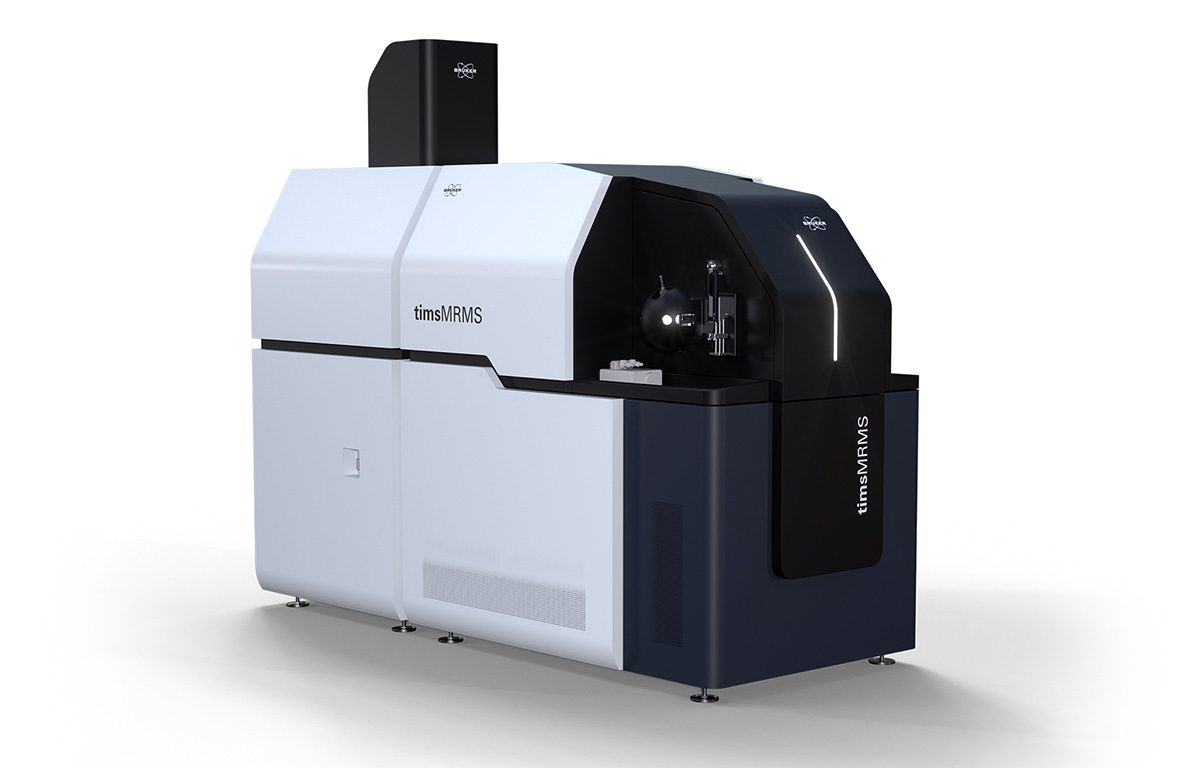
- Bruker has launched the timsMRMS, a revolutionary mass spectrometry platform designed for analyzing ultra-complex molecular mixtures in next-generation battery materials and alternative fuels.
- The Bruker timsMRMS platform integrates trapped ion mobility spectrometry (TIMS) with magnetic resonance mass spectrometry (MRMS), offering unparalleled analytical depth.
- It provides crucial insights for battery researchers, enabling molecular-level analysis of electrolyte formulations and the intricate degradation processes within the solid-electrolyte interphase (SEI).
- Boasting a resolution exceeding 10 million and sub-parts-per-million mass accuracy, the system overcomes traditional challenges in characterizing the extreme chemical complexity of advanced energy materials.
- The platform’s capabilities are vital for enhancing battery capacity, safety, and lifespan, while also advancing research into next-generation biofuels.
Revolutionizing Energy Research with Advanced Mass Spectrometry
In a significant advancement for materials science and energy research, Bruker has officially introduced its innovative timsMRMS platform. This state-of-the-art mass spectrometry system is engineered to dissect the most intricate molecular mixtures, offering unprecedented insights into next-generation battery materials and various alternative fuels.

The Bruker timsMRMS platform marks a pivotal development, combining the strengths of trapped ion mobility spectrometry (TIMS) with magnetic resonance mass spectrometry (MRMS). This synergistic integration allows researchers to achieve a level of molecular characterization previously unattainable, particularly for compounds found in cutting-edge energy storage technologies.
Understanding the Bruker timsMRMS Platform’s Core Technology
At the heart of the Bruker timsMRMS platform lies its dual-technology approach. Trapped ion mobility spectrometry (TIMS) is a powerful separation technique that distinguishes molecules based on their size, shape, and charge in the gas phase. This provides an additional dimension of separation orthogonal to mass, crucial for resolving highly complex samples.
Magnetic resonance mass spectrometry (MRMS), specifically Fourier Transform Ion Cyclotron Resonance (FT-ICR) mass spectrometry, delivers exceptionally high mass resolution and accuracy. This capability allows for the precise determination of molecular masses and, consequently, their elemental compositions, even for molecules with very similar mass-to-charge ratios.

The fusion of these two techniques within the Bruker timsMRMS platform creates a comprehensive analytical tool. It enables a multi-dimensional separation and identification process that is critical for unraveling the molecular tapestry of samples that defy analysis by conventional methods.
Precision Analysis for Next-Generation Batteries
For battery researchers, the advent of the Bruker timsMRMS platform represents a transformative leap. The platform is specifically designed to facilitate molecular-level analysis of electrolyte formulations, which are fundamental to battery performance and longevity.
Electrolytes are complex chemical mixtures whose exact composition and behavior directly influence a battery’s energy density, power output, and charging cycles. Understanding their molecular intricacies is paramount for developing more efficient and stable battery systems.
Deciphering the Solid-Electrolyte Interphase (SEI) Mystery
One of the most critical and challenging areas in battery research is the characterization of the solid-electrolyte interphase (SEI). The SEI is a thin, dynamic passivation layer that forms on the anode surface during the initial charge cycles of a lithium-ion battery.
Despite its microscopic thickness, the SEI has a disproportionately significant impact on several key battery parameters, including capacity fade, overall safety, and operational lifespan. Its composition and structural integrity directly dictate how efficiently ions can pass through, affecting charge and discharge rates, and preventing unwanted side reactions.
Bruker explains that understanding the exact molecular makeup of the SEI and how it evolves or degrades under various cycling conditions has historically posed immense challenges for scientists. The extreme chemical complexity of this interface, involving a multitude of organic and inorganic compounds, often makes it intractable for conventional mass spectrometry tools.
The Bruker timsMRMS platform provides a unique solution, offering the necessary resolution and sensitivity to identify and track the minute changes within the SEI layer. This capability is indispensable for designing more robust and longer-lasting batteries, ultimately enhancing the performance and reliability of electric vehicles and other advanced energy storage applications.
Unmatched Analytical Capabilities: Resolution and Accuracy
The analytical prowess of the Bruker timsMRMS platform is underpinned by its remarkable specifications. The system boasts a resolution of greater than 10 million. This extraordinary resolving power allows researchers to differentiate between molecules with incredibly small mass differences, which is essential when analyzing highly complex mixtures where numerous isobaric and isomeric compounds may coexist.
Coupled with this high resolution is sub-parts-per-million (sub-ppm) mass accuracy. Such precision ensures that the mass measurements are extremely accurate, enabling unequivocal identification of molecular formulas and elemental compositions. This level of accuracy is critical for truly understanding the subtle chemical transformations occurring within battery electrolytes and the SEI.
Furthermore, the Bruker timsMRMS platform incorporates isotope fine structure identification. This advanced feature utilizes the natural isotopic abundance patterns of elements to provide an additional layer of confidence in confirming the elemental composition of an unknown molecule. For complex degradation products or novel electrolyte components, this information is invaluable.
Expanding Horizons to Biofuel Analysis
Beyond its significant contributions to battery technology, the Bruker timsMRMS platform extends its utility to the analysis of alternative fuels, particularly biofuels. Biofuels often present an equally challenging analytical landscape due to their diverse and complex molecular compositions, derived from biomass conversion processes.
The platform’s ability to precisely characterize these ultra-complex mixtures allows researchers to gain a deeper understanding of biofuel properties, quality, and potential contaminants. This capability supports the development of more efficient and sustainable energy sources, aligning with global efforts to transition towards cleaner energy solutions.
Expert Endorsement for a Unique Tool
Dr. Paul Speir, Senior Vice President, Global MRMS Business at Bruker, emphasized the platform’s significance, stating, “Many application areas in energy research present extreme levels of chemical diversity that are incredibly challenging.” He added, “With the timsMRMS, we are equipping energy researchers with a complete unique tool that provides greater clarity and confidence in characterizing the extreme chemical complexity of next-generation batteries and alternative fuels.”
This statement underscores Bruker’s commitment to providing advanced analytical solutions that address some of the most pressing scientific challenges in the energy sector. The Bruker timsMRMS platform is poised to accelerate discovery and innovation across these critical fields.
The Future of Energy Materials Characterization
The launch of the Bruker timsMRMS platform signifies a crucial step forward in the analytical capabilities available to materials scientists and energy researchers. By providing unparalleled resolution, mass accuracy, and the ability to handle extreme chemical complexity, the platform is expected to drive breakthroughs in the understanding and development of advanced battery technologies and sustainable fuels.
As the global demand for efficient energy storage and cleaner energy sources continues to grow, tools like the Bruker timsMRMS platform will be instrumental in overcoming existing barriers and paving the way for a more sustainable future. Its impact will resonate across laboratories worldwide, fostering deeper insights into the molecular world that underpins our energy systems.
Frequently Asked Questions (FAQ)
What is the primary function of the Bruker timsMRMS platform?
The Bruker timsMRMS platform is an advanced mass spectrometry system designed for the precise characterization of highly complex molecular mixtures. Its primary applications include analyzing next-generation battery materials, such as electrolytes and the solid-electrolyte interphase (SEI), as well as various alternative fuels like biofuels.
How does the Bruker timsMRMS platform achieve its high analytical capabilities?
The platform combines trapped ion mobility spectrometry (TIMS) with magnetic resonance mass spectrometry (MRMS). TIMS separates ions based on their size, shape, and charge, while MRMS provides extremely high mass resolution and accuracy. This synergistic combination enables multi-dimensional separation and identification for ultra-complex samples.
What is the solid-electrolyte interphase (SEI) and why is its analysis important?
The SEI is a thin layer formed on a battery’s anode during early charge cycles. It critically influences battery capacity fade, safety, and lifespan. Analyzing its molecular composition and degradation pathways with the Bruker timsMRMS platform is vital for developing more durable and efficient next-generation batteries.
What are the key performance specifications of the Bruker timsMRMS platform?
The Bruker timsMRMS platform boasts exceptional analytical specifications. It offers a resolution greater than 10 million, enabling the differentiation of extremely similar molecules. Additionally, it achieves sub-parts-per-million (sub-ppm) mass accuracy and provides isotope fine structure identification, crucial for precise molecular characterization.
Beyond batteries, what other applications does the Bruker timsMRMS platform support?
In addition to its significant utility in battery research, the Bruker timsMRMS platform is also designed for advanced biofuel analysis. Its capability to characterize complex molecular mixtures aids in understanding the properties, quality, and composition of alternative fuels, contributing to the development of sustainable energy solutions.
Who developed this new mass spectrometry platform?
The Bruker timsMRMS platform was developed and launched by Bruker, a leading company specializing in scientific instruments for molecular and materials research. The platform reflects Bruker’s ongoing innovation in advanced analytical technologies for addressing complex challenges in energy research and materials science.