
Key Takeaways
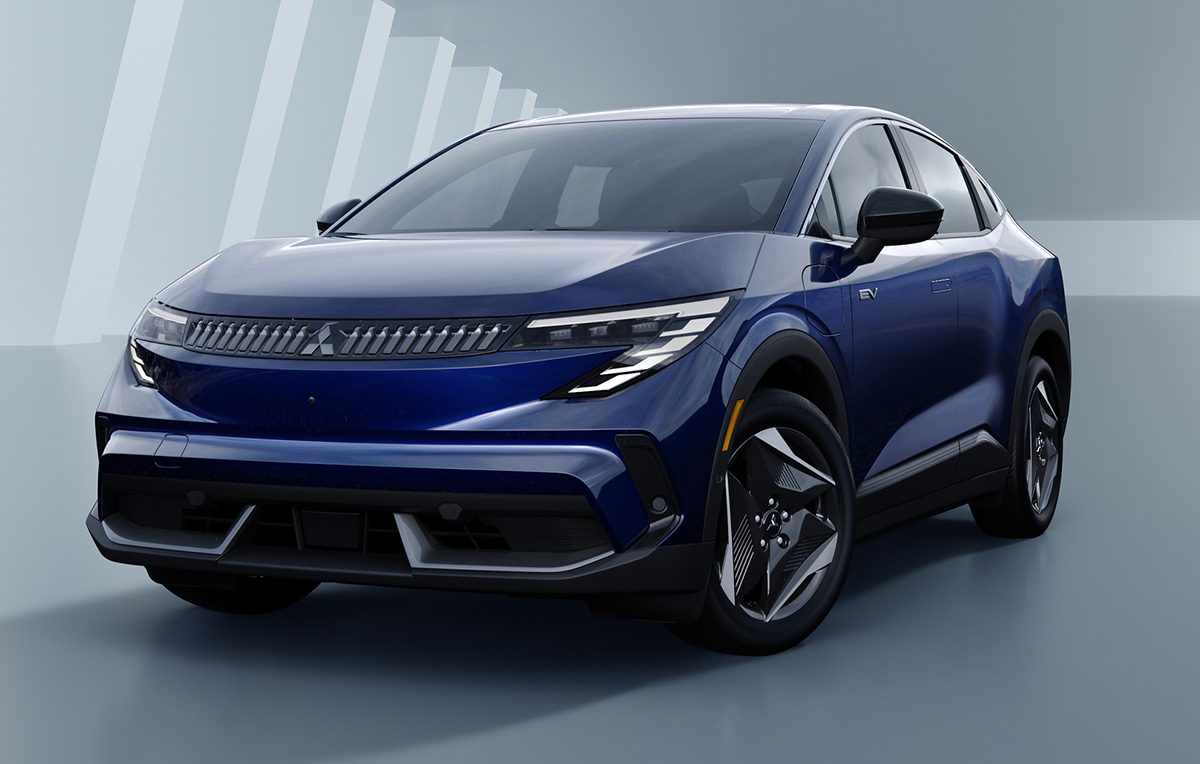
- Mitsubishi Motors North America has released the first images of the 2027 Mitsubishi Eclipse Sportback EV, a new battery-electric subcompact SUV, signaling a significant step in the brand’s electrification strategy.
- Scheduled for a North American launch in the second half of 2026, the Eclipse Sportback EV will be based on the next-generation Nissan LEAF platform.
- The new model will feature distinct cosmetic design changes to differentiate it from its Nissan counterpart, maintaining a unique Mitsubishi identity.
- This launch underscores Mitsubishi’s long-standing commitment to electric mobility, building on a legacy that includes the pioneering i-MiEV and the successful Outlander PHEV.
- The introduction of the Eclipse Sportback EV aims to capitalize on the growing demand for electric SUVs in the crucial North American market.
Mitsubishi Motors North America has officially lifted the veil on its highly anticipated 2027 Mitsubishi Eclipse Sportback EV, releasing the inaugural images of the brand’s latest battery-electric subcompact SUV. This strategic move marks a pivotal moment for the Japanese automaker as it reaffirms its dedication to electric mobility solutions within the North American market.
The unveiling signals a renewed push by Mitsubishi into the rapidly expanding electric vehicle segment, offering consumers an environmentally conscious option in a popular vehicle class. With its eye-catching design cues and electric powertrain, the new Eclipse Sportback EV is poised to attract a new generation of buyers seeking sustainable yet stylish transportation.

The Strategic Alliance: Leveraging Partnership for Electrification
The development of the 2027 Mitsubishi Eclipse Sportback EV is a testament to the enduring partnership between Mitsubishi and Nissan. This collaboration allows Mitsubishi to leverage established electric vehicle technology, specifically basing its new model on the architecture of the next-generation Nissan LEAF. This synergistic approach is crucial for accelerating product development and optimizing resource allocation in the competitive EV landscape.
By utilizing a proven platform, Mitsubishi aims to ensure reliability and performance for the Eclipse Sportback EV while focusing its design and engineering efforts on creating a vehicle that resonates with its distinct brand identity. Such alliances are increasingly common in the automotive industry, enabling manufacturers to share costs and expertise, particularly in the capital-intensive electric vehicle sector.
Distinctive Design for a Unique Identity
Despite sharing its underpinnings with the Nissan LEAF, the 2027 Mitsubishi Eclipse Sportback EV is confirmed to feature significant cosmetic design changes. These modifications are specifically intended to “differentiate the two vehicles and make the model distinctively Mitsubishi.” This commitment to unique aesthetics ensures that while the technological foundation is shared, the visual appeal and brand experience remain unmistakably Mitsubishi.

Historically, Mitsubishi has cultivated a design language characterized by robust lines and a dynamic presence, particularly evident in its SUV offerings. The forthcoming Eclipse Sportback EV is expected to embody these characteristics, potentially incorporating elements of the brand’s signature ‘Dynamic Shield’ front fascia and emphasizing its sporty yet utilitarian design ethos.
Anticipated North American Market Debut
Mitsubishi Motors North America has set its sights on the second half of 2026 for the introduction of the Eclipse Sportback EV as a 2027 model. This timeline positions the vehicle to enter the market at a crucial juncture, as consumer adoption of electric vehicles continues to accelerate and infrastructure for charging expands across the continent.
The North American market, known for its preference for SUVs, presents a fertile ground for the Mitsubishi Eclipse Sportback EV. Its classification as a subcompact SUV allows it to tap into a segment that balances urban maneuverability with practical cargo space and an elevated driving position, all while offering the benefits of zero-emission driving.
Mitsubishi’s Enduring Electrification Journey
The introduction of the Eclipse Sportback EV is not an isolated event but rather the latest chapter in Mitsubishi’s long and pioneering history in electric vehicle development. The company’s electrification efforts began remarkably early, dating back to the 1970s with experimental electric vehicles in Japan. This early exploration underscores Mitsubishi’s foresight and persistent commitment to sustainable automotive technology.
Pioneering the Mass Market: The i-MiEV Legacy
A significant milestone in this journey was the launch of the i-MiEV in 2009. This innovative vehicle earned recognition as one of the world’s first mass-produced electric vehicles, setting a precedent for affordable and accessible EV ownership. Its arrival in the US and Canada in 2011 further cemented Mitsubishi’s role as a frontrunner in bringing EVs to a broader global audience.
The i-MiEV’s influence extended beyond Mitsubishi, with partners Citroen and Peugeot releasing rebadged versions, known as the Peugeot iOn and the Citroen C-ZERO, respectively. These vehicles became familiar sights on European streets, demonstrating the collaborative spirit and foundational impact of Mitsubishi’s early EV technology.
Further showcasing its technological prowess, a racing variant, the i-MiEV Evolution, made a respectable showing at the challenging 2012 Pikes Peak International Hill Climb. This participation highlighted the potential for performance and durability inherent in Mitsubishi’s electric powertrain development, pushing the boundaries of what was then perceived possible for EVs.
Advancing with Plug-in Hybrid Technology: The Outlander PHEV
Building on the experience gained from the i-MiEV, Mitsubishi introduced the Outlander PHEV, a plug-in hybrid electric vehicle that represented a significant leap forward in complexity and capability. Described as a “far more advanced vehicle,” the Outlander PHEV arrived in North America in 2018, blending electric efficiency with the versatility and range of a gasoline engine.
The Outlander PHEV quickly gained traction, becoming a popular choice for consumers seeking a practical, family-friendly SUV with reduced environmental impact. Its success further solidified Mitsubishi’s expertise in powertrain electrification and its ability to adapt to evolving consumer demands for more robust and long-range electric-assisted vehicles.
Positioning for Future Growth in a Dynamic Market
The debut of the 2027 Mitsubishi Eclipse Sportback EV strategically positions Mitsubishi to capitalize on several key market trends. The global automotive industry is experiencing a profound shift towards electrification, driven by environmental concerns, government incentives, and advancements in battery technology. By introducing a new EV in a popular segment, Mitsubishi aims to capture a significant share of this expanding market.
The decision to launch a subcompact electric SUV reflects an understanding of consumer preferences in North America, where smaller, efficient SUVs are increasingly favored for their versatility and urban compatibility. The Eclipse Sportback EV is expected to bolster Mitsubishi’s product lineup, offering a compelling option for those ready to transition to electric driving without compromising on practicality or style.
As the automotive landscape continues its rapid evolution, Mitsubishi’s commitment to sustainable mobility, underscored by the forthcoming Eclipse Sportback EV, demonstrates a clear path forward. The vehicle’s successful integration into the North American market will be a critical indicator of Mitsubishi’s future trajectory in the global electric vehicle race. Further details regarding its specifications, range, and pricing are anticipated closer to its market launch.
Source: Mitsubishi Motors
Frequently Asked Questions (FAQ)
What is the 2027 Mitsubishi Eclipse Sportback EV?
The 2027 Mitsubishi Eclipse Sportback EV is a new battery-electric subcompact SUV unveiled by Mitsubishi Motors North America. It represents a key addition to the brand’s electric vehicle lineup, designed to meet the growing demand for eco-friendly and versatile personal transportation in the North American market.
When will the Eclipse Sportback EV be available in North America?
Mitsubishi plans to introduce the 2027 Eclipse Sportback EV to the North American market in the second half of 2026. This timeline allows for further development and refinement, ensuring the vehicle is ready to compete effectively in the rapidly evolving electric vehicle segment upon its official launch.
Is the Eclipse Sportback EV based on another vehicle?
Yes, the Eclipse Sportback EV is based on the platform of the next-generation Nissan LEAF. This strategic partnership enables Mitsubishi to leverage existing, proven electric vehicle technology. However, the Eclipse Sportback EV will feature distinct cosmetic design changes to ensure a unique Mitsubishi aesthetic and brand identity.
What makes the Eclipse Sportback EV ‘distinctively Mitsubishi’?
While sharing a platform, Mitsubishi emphasizes that the Eclipse Sportback EV will have unique cosmetic design changes. These modifications are intended to align with Mitsubishi’s established design philosophy, offering a distinctive visual identity that sets it apart from its Nissan counterpart and reinforces its connection to the Mitsubishi brand heritage.
What is Mitsubishi’s history with electric vehicles?
Mitsubishi has a long history in electric vehicle development, beginning with experimental EVs in Japan in the 1970s. Key milestones include the i-MiEV, one of the world’s first mass-produced EVs launched in 2009, and the Outlander PHEV, a more advanced plug-in hybrid electric vehicle introduced in North America in 2018. The Eclipse Sportback EV continues this legacy.
Why is Mitsubishi focusing on a subcompact EV SUV?
The focus on a subcompact EV SUV like the Eclipse Sportback EV aligns with strong consumer demand in North America for versatile, efficient, and higher-riding vehicles. This segment offers a balance of urban practicality and spaciousness, making an electric option particularly appealing to a broad demographic seeking sustainable mobility solutions without compromising utility.