
Key Takeaways:
- Chinese EV giant BYD, the world’s largest electric vehicle producer, asserts its global growth strategy does not rely on the US market, citing high tariffs and technology bans.
- Executive VP Stella Li highlighted soaring demand in regions like Brazil, the UK, and Europe, where the company currently struggles with insufficient production capacity.
- BYD is aggressively boosting its brand presence and manufacturing capabilities in diverse international markets, including Canada, aiming for widespread global dominance.
- The company recently unveiled advanced Blade Battery 2.0 technology, promising over 1,000 km range, alongside a five-minute flash charging system, enhancing its competitive edge.
- This strategic focus contrasts sharply with Western automakers, particularly in the US, who are reportedly scaling back their EV initiatives, potentially ceding global leadership to Chinese manufacturers.
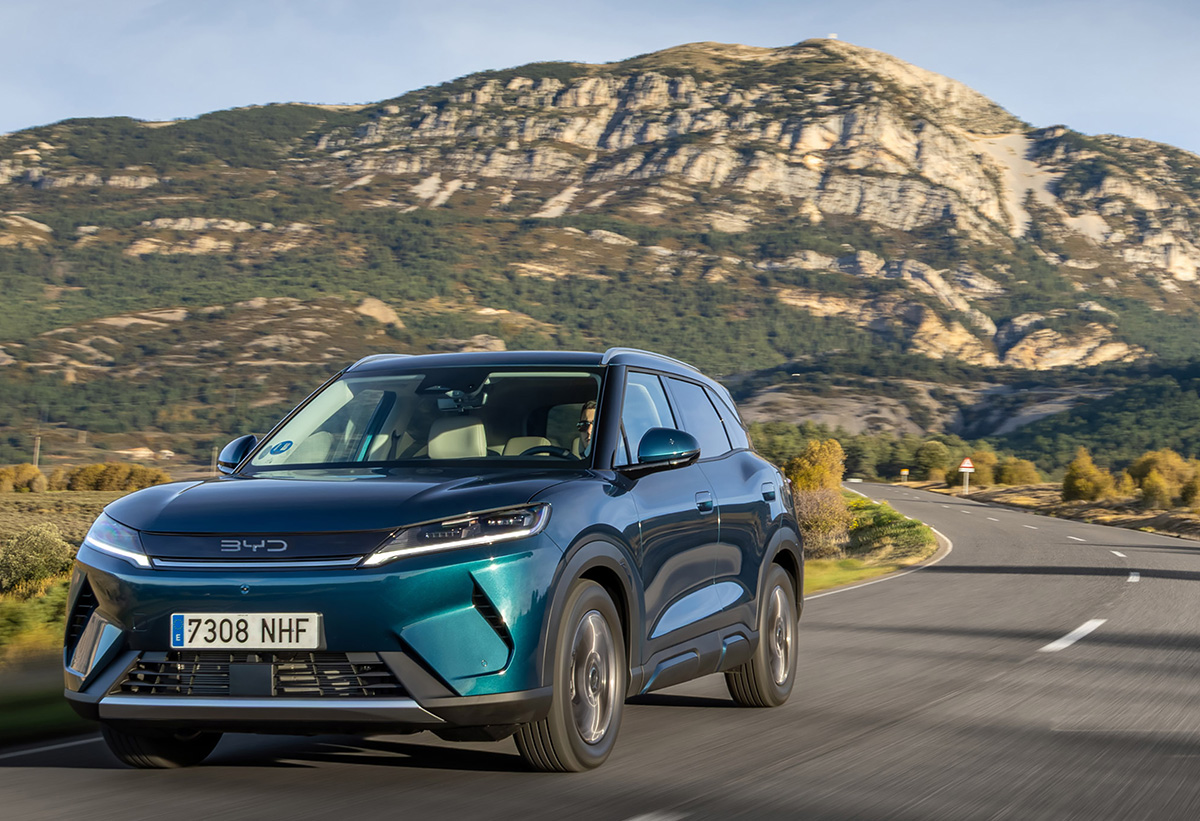
Beijing, China – As the global electric vehicle (EV) market continues its rapid transformation, Chinese automotive behemoth BYD, recognized as the world’s leading EV producer, has firmly stated its strategic independence from the United States market. Despite the US representing one of the largest automotive markets globally, BYD’s executive leadership indicates that the company’s ambitious global expansion plans do not hinge on penetrating American passenger car sales, a segment largely inaccessible due to a formidable combination of high tariffs and bans on specific foreign-made technologies.

This declaration underscores a pivotal shift in the global automotive landscape, where China has cemented its position as the undisputed EV capital. While direct entry for Chinese passenger vehicles into the US market remains highly restricted, innovative workarounds have allowed for some presence, particularly in the commercial vehicle sector. For instance, BYD successfully operates electric bus manufacturing facilities in California, and Windrose has recently commenced sales of its electric trucks in the US.
Navigating Trade Barriers: The US Landscape
The absence of Chinese passenger cars in the United States market is not due to a lack of ambition but rather a complex web of geopolitical and economic factors. The US has imposed significant tariffs on vehicles imported from China, coupled with various regulatory and technological barriers. These measures effectively create a protective shield around the domestic automotive industry, limiting direct competition from major Chinese players like BYD.
This policy environment has compelled Chinese automakers to re-evaluate their global strategies, often leading them to prioritize markets where trade conditions are more favourable or where local manufacturing can circumvent import restrictions. For BYD, this has meant an intensified focus on other burgeoning EV markets worldwide, shaping its current approach to global expansion.
BYD’s Global Ambition Beyond American Shores
Speaking at the recent Beijing Auto Show, Stella Li, Executive Vice President of BYD and a prominent figure in the company’s drive for global market dominance, articulated a clear vision. Her statements underscored BYD’s capacity to thrive independently of the US consumer market. “We survive and are successful without the US market today,” Ms. Li explicitly told the BBC, dismissing notions that US market entry is critical for the company’s sustained growth trajectory.
This assertion is particularly significant given BYD’s remarkable ascent to become the world’s largest producer of electric vehicles. The company’s business model and growth engines have demonstrated resilience and adaptability, allowing it to flourish despite exclusion from a major global economy. This strategic resilience is a hallmark of BYD’s global expansion efforts.
Soaring Demand and Production Challenges
Far from struggling to find new markets, BYD is currently grappling with an entirely different challenge: meeting overwhelming international demand. Ms. Li further elaborated on the company’s current operational pressures, stating that the primary hurdle is an insufficient production capacity to satisfy the burgeoning interest in its electric vehicles across diverse regions. “Actually, we are now suffering [insufficient] capacity. Our demand is much higher than what we can supply.”
This surge in demand is particularly pronounced in key international territories such as Brazil, the UK, and continental Europe. BYD’s strategic focus on these regions reflects a targeted approach to its global expansion, capitalizing on growing EV adoption rates and less restrictive market conditions. The company is actively working to enhance its brand recognition and distribution networks in these new markets, including plans to establish up to 20 EV dealerships in Canada, signalling a robust push into North American territories outside the US.
Technological Advancements Driving Growth
Central to BYD’s competitive edge and its capacity for global expansion is its relentless pursuit of technological innovation. In March, the company unveiled its groundbreaking Blade Battery 2.0, a significant advancement in EV battery technology. This next-generation battery promises an impressive range of over 1,000 km on a single charge, addressing one of the core concerns for potential EV buyers: range anxiety.
Alongside the enhanced battery, BYD also introduced a revolutionary Flash charging system. This innovative technology is capable of recharging a Blade Battery from 10% to 70% in an astonishingly brief five minutes. Such rapid charging capabilities represent a critical breakthrough, making EV ownership more convenient and comparable to refuelling conventional gasoline cars. The Flash charging technology is already being integrated into at least one EV model designated for the European market, further cementing BYD’s leadership in battery and charging solutions.
Dominance in Emerging and Established Markets
While the US market remains largely closed, BYD, along with other Chinese automakers, has established a commanding presence in what is often categorized as the “Rest of World” segment of smaller automotive markets. In these regions, EV adoption rates are not just rising, but soaring, presenting fertile ground for manufacturers capable of offering competitive, technologically advanced, and affordable electric vehicles.
BYD stands at the forefront of this market dominance, leveraging its extensive product portfolio and efficient production capabilities to capture significant market share. This strategic global expansion into diverse geographies underscores a broader trend: the increasing influence of Chinese manufacturers in shaping the future of the worldwide EV industry, often bypassing traditional automotive powerhouses.
A Divergent Path: Western Automakers’ EV Strategy
In stark contrast to the aggressive global expansion and technological push seen from Chinese EV manufacturers, many Western automakers, particularly those in the United States, appear to be charting a different course. Reports indicate a trend of cancelling or significantly scaling back their electric vehicle programs and investments. This recalibration is occurring precisely as the global EV market is accelerating, presenting a perplexing paradox.
Industry experts have voiced concerns regarding this divergence. Bill Pierce of EVinfo.net highlighted the potential repercussions of such strategies. “The United States is making a strategic error by slowing momentum on electric vehicles at the federal level, and the timing could not be worse,” Pierce stated, pointing to a potential misstep that could have long-term implications for American competitiveness and leadership in the burgeoning electric vehicle sector.
Implications for the Global Automotive Industry
BYD’s confident stance and robust global expansion strategy signal a profound shift in the power dynamics of the global automotive industry. The company’s ability to thrive without a presence in one of the world’s largest markets demonstrates a model of distributed growth and a focus on diverse international demand. This approach not only solidifies China’s position as the epicentre of EV innovation and production but also challenges the traditional dominance of Western automakers.
As Chinese manufacturers continue to innovate and capture market share in Europe, Latin America, and other key regions, the pressure on US and European companies to accelerate their EV transitions will undoubtedly intensify. The current strategic choices made by leading automakers on both sides of the globe will significantly determine the landscape of the automotive industry for decades to come, with BYD’s global expansion serving as a crucial indicator of future trends. (Sources: BBC, EVinfo.net)
Frequently Asked Questions (FAQ)
What is BYD’s stance on entering the US passenger car market?
BYD has explicitly stated that its global growth and success do not depend on entering the US passenger car market. Executive VP Stella Li noted that the company is thriving without a US presence, focusing instead on other booming international markets where demand is already high.
Why are Chinese automakers mostly excluded from the US market?
Chinese automakers face significant hurdles in the US market primarily due to a combination of high tariffs imposed by the US government and bans on certain foreign-made technologies. These barriers make it economically challenging and legally complex for them to sell passenger vehicles directly.
Which regions are driving BYD’s current growth?
BYD is experiencing soaring demand in several key international regions. These include Brazil, the United Kingdom, and various countries across Europe. The company is actively working to expand its presence and meet customer demand in these high-growth markets.
What new battery and charging technologies has BYD introduced?
BYD recently unveiled its Blade Battery 2.0, which boasts a range of over 1,000 km. Concurrently, they introduced a new Flash charging system capable of charging the Blade Battery from 10% to 70% in just five minutes, significantly improving EV convenience.
How does BYD’s strategy compare to US automakers?
BYD’s strategy of aggressive global expansion and technological innovation contrasts sharply with many US automakers. While BYD is scaling up, several American and European manufacturers are reportedly scaling back their EV programs, which some experts view as a strategic error.
Is BYD involved in the US commercial vehicle market?
Yes, while passenger car market entry is restricted, BYD does have a presence in the US commercial vehicle sector. For instance, BYD builds electric buses in California. Other Chinese companies, like Windrose, have also begun selling electric trucks in the US.