
Key Takeaways:
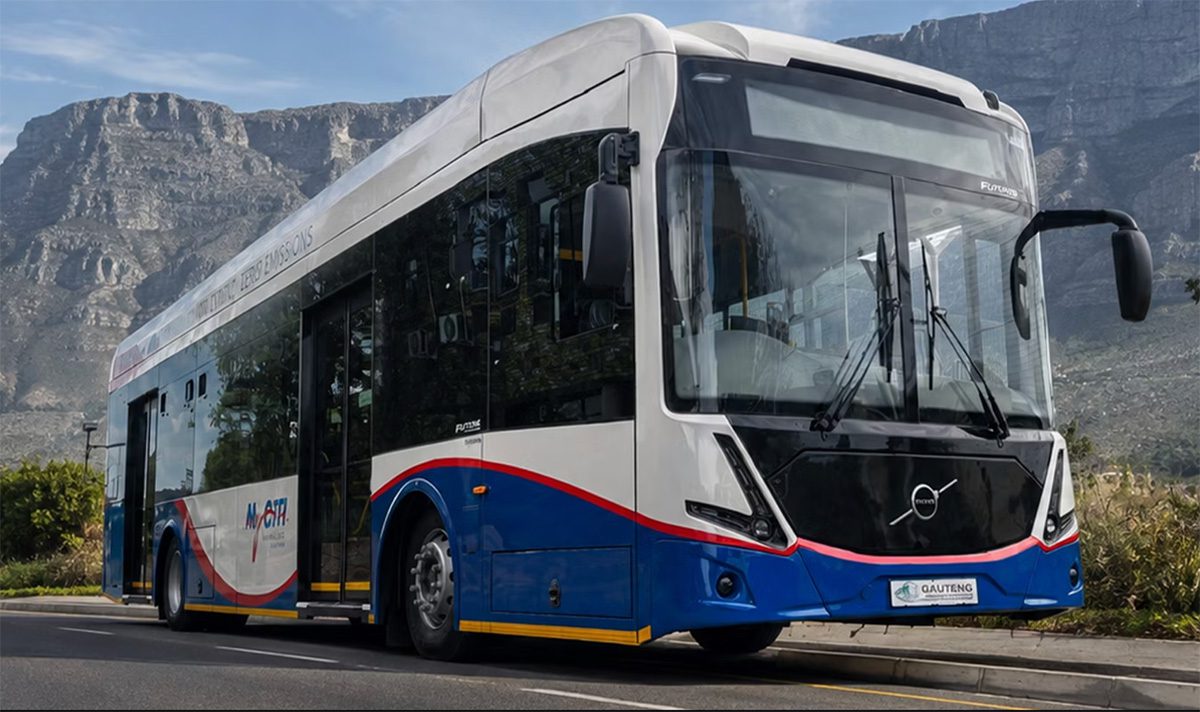
- Cape Town has ordered 38 Volvo BZR Low Entry Electric buses, marking a significant step towards sustainable public transport.
- The new fleet is scheduled for initial delivery in 2027 and will integrate into the city’s electric passenger transport system.
- Bus bodies will be locally manufactured in Johannesburg by Gauteng Bus and Coach Centre, fostering local industry and skills.
- Volvo Buses is providing strategic advisory on infrastructure planning and system implementation.
- The acquisition is funded by Public Transport National Grant funding, with potential for further expansion based on availability.
Cape Town, South Africa, is poised to make a substantial leap in its commitment to sustainable urban mobility with a landmark order for 38 Volvo BZR Low Entry Electric buses. This significant procurement, announced by Volvo Buses, represents a pivotal moment for the city’s green transport agenda, aiming to electrify its public passenger transport system and mitigate environmental impact.
The transition to electric vehicles in public transport is a global trend, and Cape Town’s move underscores a clear dedication to fostering a cleaner, quieter, and more efficient urban environment. The deployment of these advanced electric buses is expected to transform daily commutes for thousands of residents while contributing significantly to the city’s broader sustainability objectives.
A Strategic Investment in Sustainable Urban Mobility
The decision by the City of Cape Town to invest in a substantial fleet of electric buses reflects a forward-thinking approach to addressing contemporary urban challenges. Electric buses offer a compelling solution to air pollution, noise reduction, and the carbon footprint associated with traditional fossil-fuel-powered transport.
Leon Nelson, Director of Volvo Buses in South Africa, highlighted the profound impact of this initiative. “This is a landmark project for both Cape Town and for us. We can be very proud to introduce electric buses to the city, and in doing so, prove that we acknowledge and support a sustainable future,” Nelson stated, emphasizing the strategic importance of this collaboration.

Collaborative Development and Local Integration
The Volvo BZRLE Electric buses are built on Volvo’s highly flexible BZR platform, known for its adaptability and robust performance. A key aspect of this project is its commitment to local economic development and skill enhancement within South Africa.
The bus bodies for the entire fleet will be locally designed and manufactured by the Gauteng Bus and Coach Centre in Johannesburg. This localized production component not only ensures greater customization and responsiveness to local conditions but also stimulates job creation and transfers valuable technical expertise within the country.
Beyond supplying the vehicles, Volvo Buses has adopted a comprehensive strategic advisory role throughout the electrification process. This involves crucial support in infrastructure planning and system implementation, ensuring a seamless integration of the new electric fleet into Cape Town’s existing and future transport network. The city itself will manage the charging infrastructure, signifying a holistic approach to the project.
Phased Rollout and Funding Mechanisms
The introduction of the new electric fleet will commence with the first batch of buses slated for delivery in 2027. This phased approach allows for careful planning and integration, ensuring that the necessary operational and charging infrastructure is fully established.
Rob Quintas, City Councillor responsible for urban mobility in Cape Town, provided insights into the procurement and funding. “We have ordered a minimum of 38 buses, but this number may increase with funding availability. The new buses will be paid for by means of Public Transport National Grant funding,” Quintas confirmed. This reliance on national grant funding underscores the government’s commitment to supporting sustainable public transport initiatives across major cities.
The flexibility to increase the order size based on funding availability demonstrates a long-term vision for scaling up electric public transport, potentially leading to a larger zero-emission fleet in the future. This incremental approach allows the city to adapt to evolving needs and financial capacities.
Strengthening Local Capabilities and the Public Transport Ecosystem
The partnership extends beyond the mere transaction of buses, aiming to cultivate a more resilient and advanced public transport ecosystem. Manish Sahi, Vice President of Volvo Buses MIAC, highlighted the broader developmental impact.
“This project demonstrates how electrification can be implemented in a way that strengthens local capabilities, builds technical competence, and contributes to the development of a future-ready public transport ecosystem,” Sahi remarked. This comprehensive vision encompasses not only the environmental benefits but also the socio-economic advantages of transitioning to electric mobility.
The emphasis on local manufacturing and technical competence building is crucial for South Africa’s industrial growth and its ability to adapt to new technologies. It positions the country as a participant in the global shift towards electric vehicles, creating a skilled workforce capable of maintaining and evolving such advanced systems.
Cape Town’s Vision for a Greener Future
This initiative solidifies Cape Town’s position as a leader in sustainable urban development on the African continent. The adoption of electric city buses aligns with global efforts to reduce greenhouse gas emissions and combat climate change, directly contributing to the city’s environmental targets.
By investing in zero-emission public transport, Cape Town is not only enhancing the quality of life for its citizens through reduced noise and air pollution but also setting a precedent for other urban centers. The long-term benefits include lower operational costs for the city, greater energy independence, and the establishment of a robust, future-proof public transport network.
The move towards electric buses is a foundational step in creating a truly smart and sustainable city, where urban mobility is integrated with environmental stewardship and economic growth. As the first buses roll out in 2027, they will symbolize Cape Town’s unwavering commitment to a greener, more accessible future for all its residents.
Frequently Asked Questions (FAQ)
What type of buses did Cape Town order?
Cape Town has placed an order for 38 Volvo BZR Low Entry Electric buses. These modern, low-entry electric vehicles are designed for efficient urban passenger transport, offering improved accessibility and reduced environmental impact.
When are the new electric buses expected to be delivered?
The first batch of the ordered electric buses is scheduled for delivery in 2027. This timeline allows for the necessary preparations in terms of infrastructure and operational integration into the city’s existing transport system.
Where will the bus bodies be manufactured?
The bus bodies for the Volvo BZRLE Electric fleet will be locally designed and manufactured by the Gauteng Bus and Coach Centre, located in Johannesburg, South Africa. This supports local industry and job creation.
How is the purchase of these electric buses being funded?
The acquisition of the new electric buses will be financed through Public Transport National Grant funding. This indicates a national commitment to support sustainable public transport initiatives in major South African cities.
What role is Volvo Buses playing beyond supplying the vehicles?
Volvo Buses is acting as a strategic advisor throughout the electrification project. Their role includes supporting infrastructure planning and overall system implementation, ensuring a smooth transition and integration of the electric fleet into Cape Town’s transport network.
Can the number of ordered buses increase?
Yes, according to City Councillor Rob Quintas, while a minimum of 38 buses has been ordered, this number may increase in the future, subject to the availability of additional funding. This allows for potential expansion of the electric fleet.
What are the benefits of introducing electric buses for Cape Town?
Introducing electric buses will significantly reduce air and noise pollution, contribute to Cape Town’s climate goals, and enhance the quality of urban life. It also supports local economic development through manufacturing and skill building in the EV sector.