
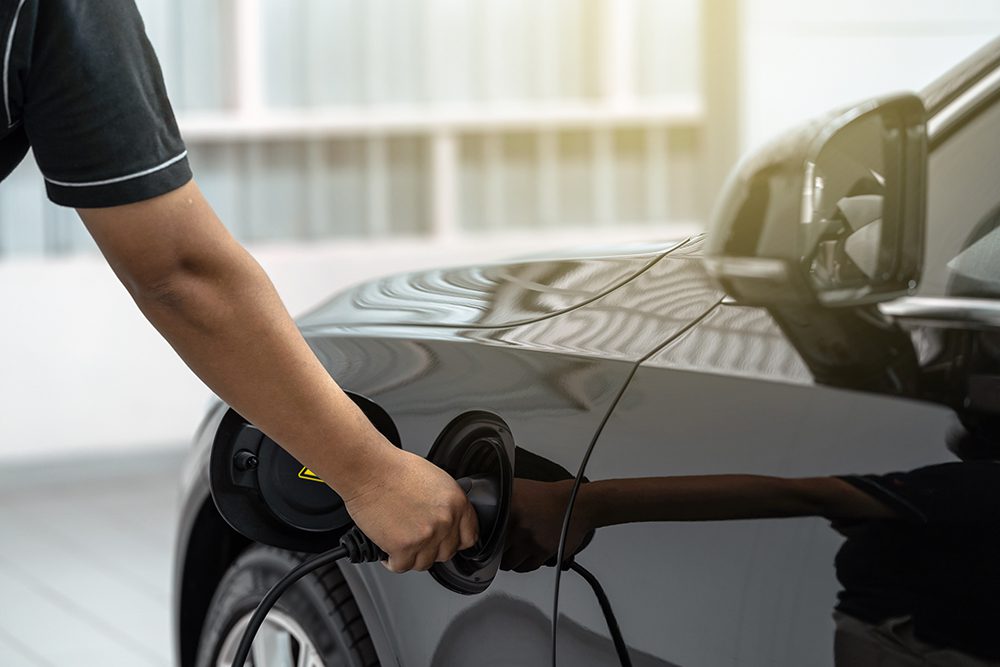
In a significant move poised to enhance the reliability and user experience of electric vehicle (EV) charging infrastructure globally, CharIN’s Error Codes Working Group has launched a public GitHub repository. This strategic initiative aims to foster greater transparency and collaborative development for Unified Error Codes across the entire EV charging ecosystem.
The reliability of public EV charging stations remains a critical concern for both consumers and industry stakeholders. Experts across the e-mobility sector consistently agree that establishing a universally accepted set of EV charging error codes is an indispensable step towards addressing this challenge and streamlining diagnostic processes.

Addressing the Reliability Challenge in EV Charging
The rapid expansion of electric vehicles globally has brought with it an urgent need for robust and dependable charging infrastructure. However, a common pain point for EV owners is encountering non-functional or error-prone charging stations, leading to range anxiety and diminished confidence in the charging network.
These issues often stem from a complex interplay of hardware malfunctions, software glitches, and communication failures between EVs, charging stations, and backend management systems. Without a unified language to describe these failures, diagnosing and resolving problems quickly becomes a protracted and inefficient process.
This lack of standardization in EV charging error codes translates into longer downtimes for charging stations, increased operational costs for service providers, and ultimately, a frustrating experience for the end-user. It poses a significant barrier to the widespread adoption of electric mobility.
CharIN’s Commitment to Standardisation
CharIN, a prominent global association dedicated to promoting interoperability in the EV charging sector, has long recognised the critical importance of standardisation. For several years, its Error Codes Working Group has been at the forefront of efforts to harmonise error codes and diagnostics across diverse EVs, various charging infrastructure types, and disparate backend systems.
The association’s mandate is to ensure a seamless and efficient charging experience, which is only achievable through common technical specifications and robust communication protocols. Developing a comprehensive framework for EV charging error codes is a cornerstone of this vision, designed to bring clarity to complex technical issues.
ushering in Transparency: The GitHub Repository
The recent decision by CharIN’s Error Codes Working Group to launch a public GitHub repository marks a pivotal shift towards open development. While the working group’s meetings will continue to be exclusive to CharIN members, this new repository democratises the specification development process, inviting contributions from any interested party within the e-mobility community.
GitHub, a leading platform for collaborative software development, provides a robust environment for managing code and documentation through version control. Its public nature ensures that the evolution of unified EV charging error codes can be observed and influenced by a wider audience, extending beyond the immediate membership of CharIN.
Key Advantages of the Open-Source Approach
CharIN highlights several compelling benefits that this move brings to the entire EV ecosystem, particularly in accelerating the development and adoption of standardised EV charging error codes:
Transparency: The development process for the specification is now openly visible from its inception. This allows all stakeholders, from manufacturers to charging operators and software developers, to closely follow discussions, understand decision-making, and contribute their insights from an early stage. This unprecedented level of transparency builds trust and facilitates broader industry buy-in.
Collaboration: The GitHub platform enables industry participants to directly contribute to this crucial initiative. They can report new issues they encounter in real-world charging scenarios, propose new error code definitions, or suggest improvements to existing ones. This collective intelligence approach leverages the diverse expertise present across the e-mobility sector, ensuring the codes are comprehensive and practical.
Continuity: The electric vehicle landscape is dynamic, with technologies constantly evolving. Error codes, therefore, require continuous refinement and adaptation to remain relevant. A GitHub-based workflow supports agile and continuous development, allowing the unified EV charging error codes to evolve seamlessly alongside the growth and technological advancements of the EV charging industry.
Strategic Collaboration with the UEC Initiative
To further strengthen and broaden the impact of its efforts, CharIN has formalised a collaboration with the Unified Error Codes (UEC) Initiative. This partnership represents a strategic alignment aimed at harmonising existing and future error code standards.
CharIN’s Error Codes Subgroup will work in tandem with the UEC open-source framework. The primary goal is to develop a comprehensive, protocol-agnostic list of unified EV charging error codes. This collaborative effort will build upon established industry references, including DIN DKE SPEC 99003, MREC, and other significant initiatives, ensuring a robust and widely applicable standard.
The emphasis on a ‘protocol-agnostic’ approach is particularly important. It means the developed error codes will not be tied to a specific communication protocol (like OCPP, ISO 15118, etc.) but will rather describe the underlying issue, making them universally understandable and applicable across various charging technologies and regional variations.
Phased Development and Future Outlook
The working group has adopted a structured, phased approach to developing these critical EV charging error codes. Currently, their focus is on defining hardware error code definitions, which represent the foundational layer of the unified specification. These codes address physical malfunctions and operational issues related to the charging station hardware itself.
Following the completion of the hardware-focused phase, the initiative will transition to its next crucial stage. This will involve defining software-related error codes, which are expected to address communication failures, system errors, and other digital issues that can disrupt the charging process. This phase is tentatively scheduled for completion by October 2026, marking a significant milestone in the standardisation journey.
Call for Industry-Wide Participation
CharIN is actively extending an invitation to e-mobility experts, companies, and innovators to contribute their knowledge and experience to this pivotal initiative. The association underscores that broad industry participation is not just beneficial but essential to the success and practical applicability of the future EV charging error codes.
Ensuring that these codes accurately reflect real-world use cases requires input from a diverse range of stakeholders. This includes Original Equipment Manufacturers (OEMs) of electric vehicles, Electric Vehicle Supply Equipment (EVSE) manufacturers, charging network operators, and software providers. Each entity brings a unique perspective on the challenges and requirements of EV charging operations.
Contributors are particularly encouraged to share detailed input on the specific error codes they plan to implement within their systems. Furthermore, insights into associated telemetry requirements – the data needed for diagnosis – and effective diagnostic workflows are highly valuable. This collaborative effort will ensure that the developed standards are comprehensive, actionable, and truly reflective of the industry’s complex needs, ultimately paving the way for a more reliable and user-friendly EV charging experience.