
Key Takeaways
- DASH has commenced construction on the Washington DC metropolitan region’s first en-route electric bus chargers in Alexandria, Virginia.
- These innovative overhead pantograph chargers will deliver up to 360 kilowatts, enabling electric buses to receive partial charges along their routes.
- The project aims to extend vehicle range, maximise fleet utilisation, and reduce service interruptions for DASH’s growing electric bus fleet.
- Funding includes a critical $1 million in federal support, supplementing contributions from DASH and the City of Alexandria.
- Completion is anticipated by 2027, significantly bolstering the infrastructure for DASH’s current 16 battery-electric buses and 20 additional vehicles in procurement.
ALEXANDRIA, VIRGINIA — The Washington D.C. metropolitan area is set to witness a significant leap forward in public transportation sustainability. DASH, the primary public transit agency serving the City of Alexandria, Virginia, has officially broken ground on what it describes as the region’s inaugural en-route electric bus chargers.
This pioneering infrastructure initiative marks a pivotal moment in the broader transition towards electrified public fleets. It is poised to transform operational capabilities for electric buses, ensuring greater efficiency and reliability across the transit network.

Revolutionising Electric Bus Operations with En-Route Charging
En-route charging technology represents a strategic advancement beyond conventional overnight depot charging. These systems are designed to provide partial, rapid charges to electric buses at key stops or termini along their routes, effectively extending their operational range throughout the service day.
The integration of en-route electric bus chargers is critical for maximising the utility of zero-emission vehicles. By mitigating range anxiety, transit agencies can deploy electric buses on longer routes or extend service hours without requiring a full return to a central depot for recharging.
This innovative approach not only optimises fleet utilisation but also significantly reduces potential service interruptions. It allows for a more dynamic and responsive public transit system, directly benefiting commuters in Alexandria and the wider DC metro region.

Advanced Charging Technology and Strategic Partnerships
The new charging infrastructure at DASH’s West Alexandria Transit Center will feature two state-of-the-art overhead pantograph chargers. These powerful units are engineered to deliver impressive charging speeds of up to 360 kilowatts.
Pantograph charging involves an automated connection between a bus-mounted system and an overhead charging station, facilitating rapid power transfer. This method is particularly suitable for en-route applications due to its efficiency and minimal manual intervention.
ABM, a renowned facilities management provider with extensive experience in EV charging services, has been selected to deliver the essential electric charging services for this critical project. Their expertise is instrumental in deploying and managing the advanced infrastructure required for a high-demand transit environment.
The collaboration highlights a growing trend where specialised service providers partner with public agencies to accelerate the adoption of electric vehicle technology in large-scale operations.
Funding the Future of Sustainable Transit
The deployment of these advanced electric bus chargers has been made possible through a robust partnership between DASH and the City of Alexandria. This local commitment has been significantly bolstered by substantial federal funding.
A critical injection of approximately $1 million in federal funds underscores the national importance and strategic investment in sustainable urban infrastructure. Such funding mechanisms are vital for supporting public agencies in their efforts to modernise and decarbonise transit systems.
The financial backing demonstrates a shared vision across governmental levels to foster cleaner, more efficient public transportation. It sets a precedent for future projects aimed at enhancing environmental quality and energy independence.
Timeline and Fleet Readiness
Construction on the innovative charging stations is currently underway. The project is advancing steadily, with an anticipated completion target set for 2027.
This timeline allows for meticulous planning and installation, ensuring the chargers are fully integrated and operational to support DASH’s expanding electric fleet. Once complete, these stations will form a crucial backbone of the agency’s electrified operations.
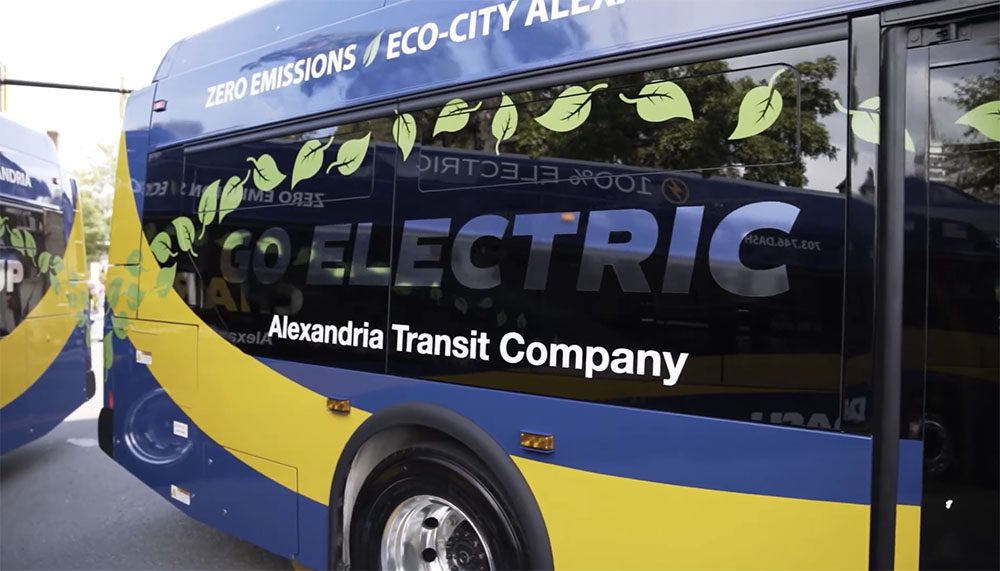
DASH currently operates a fleet of 16 battery-electric buses, demonstrating its ongoing commitment to environmental stewardship. Further solidifying this commitment, an additional 20 battery-electric buses are already in procurement.
Crucially, the agency has proactively engaged with bus manufacturers to guarantee that the new charging infrastructure will be fully compatible with both its existing electric fleet and all future vehicle acquisitions. This forward-thinking approach ensures long-term operational flexibility and avoids potential technological bottlenecks.
Leadership Perspectives on a Cleaner Transit System
The initiation of this project has garnered enthusiastic support from key leaders, who view it as a cornerstone for a more sustainable future in public transit.
Josh Baker, General Manager and CEO of DASH, highlighted the strategic importance of the undertaking. “This project reflects years of planning and collaboration to support our transition to an all-electric fleet,” Baker stated. He further emphasised the regional significance, adding, “As the first en-route electric bus chargers in Northern Virginia and the DC region, this is a significant step toward a cleaner transit system.”
Mark Hawkinson, President of Technical Solutions at ABM, echoed this sentiment, underscoring the foundational role of infrastructure. “Transit agencies like DASH are demonstrating that successful electrification starts with the right infrastructure,” Hawkinson remarked. He concluded by affirming, “By investing in charging solutions, DASH is building the operational foundation needed to support an electrified transit network for years to come.”
These statements collectively reinforce the project’s ambition to establish Alexandria and the DC metro region as leaders in adopting advanced, sustainable urban mobility solutions.
The Broader Impact of Electrified Public Transit
The move by DASH to implement en-route electric bus chargers is indicative of a wider paradigm shift in urban transportation. Electrifying public transit fleets offers a multitude of benefits, extending beyond mere operational efficiency.
Environmentally, it translates into a significant reduction in greenhouse gas emissions and local air pollutants, contributing directly to improved public health outcomes in densely populated areas. This aligns with national and global efforts to combat climate change and enhance urban air quality.
Economically, while the initial capital investment can be substantial, electric buses typically incur lower fuel and maintenance costs over their lifespan compared to their diesel counterparts. The strategic placement of charging infrastructure like these en-route stations helps to maximise these operational savings.
Societally, a quieter and cleaner bus fleet enhances the urban experience, contributing to more liveable cities. It also demonstrates public sector leadership in adopting innovative and responsible technologies, setting an example for other municipalities and private sectors.
Looking Ahead: A Sustainable Future for DC Metro Transit
The establishment of the first en-route electric bus chargers in the DC metro region by DASH is more than just a technological upgrade; it is a commitment to a sustainable future.
As urbanisation continues and the imperative for environmental action grows, such infrastructure investments become indispensable. They pave the way for a resilient, eco-friendly, and highly efficient public transportation system that can serve the needs of a growing population while protecting the planet.
The successful implementation of this project in Alexandria is expected to serve as a model for other transit agencies across the nation, inspiring further adoption of advanced electric vehicle charging solutions and accelerating the transition to an all-electric public transit landscape.
Source: ABM
Frequently Asked Questions (FAQ)
What are en-route electric bus chargers?
En-route electric bus chargers are strategically placed charging stations along bus routes, distinct from overnight depots. They allow electric buses to receive quick, partial charges during layovers or at specific stops. This technology significantly extends the operational range of buses, reduces the need for large, costly batteries, and enhances fleet utilisation throughout the service day, crucial for maintaining schedules.
Why is this project significant for the DC Metro Region?
This project is highly significant as it represents the first deployment of en-route electric bus chargers in the entire Washington DC metropolitan region. It establishes DASH and the City of Alexandria as pioneers in adopting advanced sustainable transit solutions, setting a precedent for other agencies in the area to follow suit. This infrastructure is key to accelerating the region’s transition to an all-electric public transport system.
What type of charging technology is being used?
The project employs overhead pantograph chargers capable of delivering up to 360 kilowatts of power. Pantograph technology uses an automated arm that extends from the bus to connect with an overhead charging unit. This method ensures rapid and efficient charging, making it ideal for brief stops along a route to top up battery levels quickly and seamlessly, thereby maintaining service continuity.
How is the project being funded?
The funding for these electric bus chargers is a collaborative effort between DASH, the City of Alexandria, and the federal government. A substantial portion, approximately $1 million, is derived from federal funds. This multi-party financial commitment underscores the public sector’s dedication to investing in green infrastructure and highlights the shared responsibility in fostering sustainable urban development.
When are the new chargers expected to be operational?
Construction on the en-route electric bus chargers is currently underway. DASH anticipates that the project will reach completion and the chargers will be fully operational by the year 2027. This timeline allows for comprehensive installation, testing, and integration into the existing transit network, ensuring a smooth transition and reliable service once deployed for public use.
How many electric buses will this infrastructure support?
The new charging infrastructure is designed to support DASH’s expanding electric bus fleet. The agency currently operates 16 battery-electric buses and has an additional 20 vehicles in procurement. The infrastructure is being developed with future compatibility in mind, ensuring it can accommodate both the existing fleet and upcoming acquisitions, thereby future-proofing DASH’s electrification strategy.