
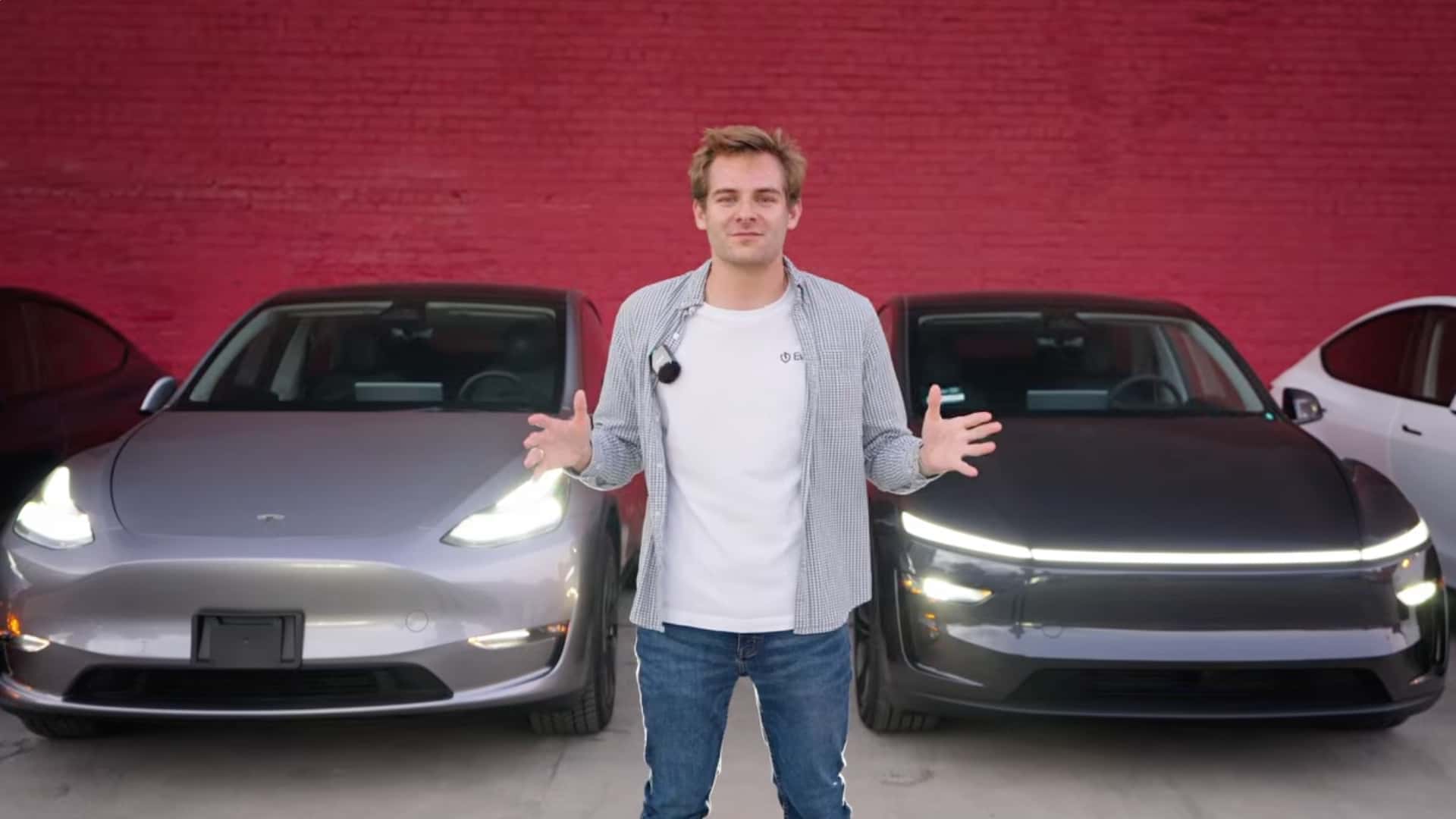
For prospective buyers considering a Tesla Model Y, the journey to finding the ideal vehicle is often met with a unique challenge: discerning the subtle yet significant variations across different model years. Unlike traditional automotive cycles with distinct generational refreshes, Tesla has historically implemented continuous production updates, meaning no two Model Y years, and sometimes even months, are entirely identical. This dynamic evolution of the popular Tesla electric SUV necessitates a detailed understanding for any informed purchasing decision.
To navigate this intricate landscape, automotive enthusiasts and experts have undertaken comprehensive analyses. A notable video by longtime InsideEVs contributor and certified EV geek Andrew Lambrecht, featured on the Ever YouTube channel, meticulously outlines these differences, ranging from interior appointments and battery performance to crucial technological advancements. Understanding these nuanced changes is paramount for anyone evaluating the pre-owned market or simply trying to pinpoint which specific iteration of the Tesla Model Y best suits their needs and preferences.

Key Takeaways for Tesla Model Y Buyers
Choosing the right Tesla Model Y year involves understanding a series of ongoing, subtle updates rather than traditional generational changes. Key areas of variation include interior features, battery range, charging capabilities, and advanced driver-assistance hardware. Early models (2020) offered premium interiors but lacked certain modern comforts, while later iterations introduced significant upgrades like heated steering wheels, improved suspensions, and critical Hardware 4 for advanced Full Self-Driving (FSD) capabilities. The 2023 Model Y, with its software-unlockable range, presents a unique value proposition, and the forthcoming 2026 “Juniper” refresh promises a comprehensive design and feature overhaul for the Tesla Model Y.
The Genesis: Tesla Model Y 2020
The inaugural 2020 Tesla Model Y models, upon their release, were equipped with what was then considered a premium interior package as standard. This robust offering included heated seating elements for both the front and rear rows, a feature highly valued for comfort, especially in colder climates. Complementing this was a sophisticated 15-speaker sound system, designed to deliver an immersive audio experience for all occupants.
However, these early Model Y units did present a few distinctions that some modern buyers might consider drawbacks. A notable omission was the heated steering wheel, a comfort feature that has since become standard in many premium electric vehicles. Furthermore, the center console utilized a glossy black plastic finish, which, while aesthetically pleasing to some, is prone to fingerprints, smudges, and minor scratches, often requiring more diligent maintenance to keep looking pristine. Early production units of the 2020 Tesla Model Y also featured single-pane windows, which later transitioned to dual-pane glass within the same model year, significantly improving cabin quietness and thermal insulation.

Refinements and Range Boost: Tesla Model Y 2021
The 2021 Model Y saw Tesla implement a series of practical enhancements, particularly regarding its electric vehicle performance. This year introduced a marginal but welcome increase in overall range, providing drivers with slightly extended travel capabilities on a single charge. For those prioritizing efficiency, this incremental improvement was a notable step forward for the Tesla Model Y.
A curious, short-lived variant, the Standard Range version, also made a brief appearance in 2021, lasting approximately one month. This limited availability makes it a rare find on the pre-owned market. Interior updates for the 2021 Tesla Model Y included a shift from the glossy black to a more resilient and aesthetically pleasing matte finish for the center console, addressing previous concerns about smudges and wear. Crucially, 2021 also marked the introduction of a heated steering wheel, a highly anticipated comfort feature that significantly enhances the driving experience in colder conditions. However, later builds within this model year saw the unfortunate removal of passenger lumbar support, a detail that could impact long-distance comfort for front-seat passengers.
Battery Innovation and Practical Upgrades: Tesla Model Y 2022
Introducing the 4680 Cells
The 2022 Tesla Model Y introduced a significant technological development with the Standard Range All-Wheel Drive variant, which incorporated the much-anticipated 4680 battery cells. These larger, cylindrical cells were touted for their potential to offer higher energy density and improved structural integration. This advancement represented Tesla’s ongoing commitment to optimizing battery technology for its electric vehicles, including the popular Model Y.
However, despite the innovative battery architecture, this particular 4680-cell Model Y iteration presented unexpected challenges. Observations from experts, including Andrew Lambrecht, highlighted a peculiar charging characteristic: the vehicle charged unusually slowly for a Tesla, with charging speeds dipping below 100 kW after reaching approximately a 30% state of charge. This behavior impacts fast-charging times, making it a crucial consideration for drivers who frequently rely on public DC fast chargers.
Interior and Comfort Enhancements
Beyond battery advancements, later 2022 Model Y models also received welcome interior refinements. These included updated interior accents such as wood trim on the door cards, adding a touch of premium aesthetic to the cabin. Safety and convenience were also addressed with the inclusion of manual backup releases for the rear doors, providing an alternative egress method in emergency situations. Furthermore, some 2022 Model Y vehicles were equipped with a “comfort suspension” system. This was a direct response to longstanding feedback about the Model Y’s often-stiff ride quality, offering a smoother and more compliant driving experience that enhances overall passenger comfort, a key aspect for any electric SUV.
Technological Leaps and Hidden Value: Tesla Model Y 2023
The 2023 Tesla Model Y brought forth some of the most impactful technological updates, particularly for those interested in the future of autonomous driving. This model year began incorporating Hardware 4 (HW4), the latest generation of Tesla’s computer and camera suite. HW4 is deemed essential for running the most advanced and future iterations of Tesla’s Full Self-Driving (FSD) software, making 2023 models more future-proof for those who prioritize cutting-edge driver assistance features.
Another compelling option introduced in 2023 was a Standard Range variant that, surprisingly, shared the identical physical battery pack as the longer-range versions. The key difference lay in a software lock, limiting its accessible range. This presents a unique opportunity for astute buyers: for an additional payment to Tesla, owners can unlock up to 50 miles of additional range, effectively transforming a Standard Range Tesla Model Y into a longer-range vehicle at a potentially lower overall acquisition cost. This “sleeper deal” could represent significant value for those looking to maximize their investment in an electric crossover.
Subtle Evolutions: Tesla Model Y 2024 and 2025
Following the more pronounced changes in earlier years, the 2024 and 2025 Model Y iterations featured relatively minor, incremental updates. These years primarily focused on small refinements rather than significant overhauls. Tesla’s philosophy of continuous improvement means that even subtle tweaks to software, minor aesthetic adjustments, or slight manufacturing optimizations were likely implemented, but without the headline-grabbing changes seen in preceding or subsequent model years. Buyers considering these model years should anticipate a highly mature and refined version of the existing design, benefiting from years of accumulated minor enhancements to the Tesla electric SUV platform.
The Anticipated Overhaul: Tesla Model Y 2026 “Juniper” Refresh
Looking ahead, the 2026 Model Y is poised to introduce the much-anticipated “Juniper” refresh, signaling a more comprehensive overhaul for the popular electric SUV. This refresh is expected to bring significant aesthetic changes, including newly designed front and rear ends, likely incorporating modern light bars for a fresh and distinctive look. Such exterior modifications are crucial for keeping the Model Y’s design competitive and contemporary in the rapidly evolving EV market.
Beyond visual updates, the “Juniper” refresh is also expected to standardize functional improvements across the board. A notable enhancement anticipated is the universal adoption of dual-pane windows throughout the vehicle, not just in specific areas. This feature significantly contributes to a quieter cabin experience and improved energy efficiency for climate control, further elevating the premium feel of the Tesla Model Y. While specific details will emerge closer to its release, the “Juniper” refresh is projected to encompass a wide array of changes, potentially touching upon interior design, infotainment, and other critical user experience aspects, making it a compelling option for future buyers.
Making an Informed Decision for Your Tesla Model Y
The continuous evolution of the Tesla Model Y means that selecting the ‘best’ year is not a straightforward task; it depends entirely on individual priorities and budget. Buyers primarily focused on maximizing creature comforts in early models might lean towards a 2020 Model Y with its standard premium interior, provided the lack of a heated steering wheel and glossy console are acceptable compromises. Those prioritizing ride comfort should investigate 2022 models equipped with the ‘comfort suspension.’
For tech-savvy individuals or those planning to leverage Tesla’s advanced driver-assistance systems, the 2023 Model Y with Hardware 4 presents a compelling, future-proof option. Furthermore, the 2023 Model Y’s software-locked range offers a unique economic advantage for buyers willing to unlock additional miles post-purchase. As we look towards the future, the anticipated 2026 “Juniper” refresh promises a significant design and feature upgrade, positioning it as an attractive choice for those who prefer the latest aesthetic and technological advancements in their Tesla electric SUV. Each model year offers a distinct combination of features, making a thorough review of specific needs crucial before committing to a purchase.
Conclusion
The journey through the various iterations of the Tesla Model Y reveals a fascinating pattern of continuous, often subtle, evolution rather than discrete generational shifts. From the initial premium offerings of the 2020 Model Y to the battery innovations of 2022, the technological leap with Hardware 4 in 2023, and the anticipated comprehensive “Juniper” refresh in 2026, each model year presents a unique blend of features and refinements. These ongoing updates underscore Tesla’s agile manufacturing philosophy, constantly improving its best-selling electric SUV.
For potential owners, this means that the decision of which Tesla Model Y to buy is deeply personal. It hinges on a careful evaluation of specific features like interior amenities, charging performance, range, and advanced driver-assistance hardware against individual priorities and budget constraints. Consulting detailed analyses, such as those provided by industry experts, remains invaluable for making an informed choice in the dynamic landscape of Tesla’s automotive offerings. Ultimately, the ‘best’ Model Y is the one that aligns most closely with your personal requirements and driving aspirations.
FAQ
Q1: What are the main differences between early and late Tesla Model Y models?
Early Tesla Model Y models, such as the 2020 versions, typically featured standard premium interiors but lacked a heated steering wheel and had glossy center consoles. Later models introduced dual-pane windows, heated steering wheels, matte console finishes, and significant tech upgrades like Hardware 4, enhancing comfort, aesthetics, and future functionality.
Q2: Which Tesla Model Y year offers the best interior features?
The answer depends on specific preferences. While 2020 models came with a comprehensive premium interior package, including heated seats and a 15-speaker sound system, later years like 2021 and 2022 introduced a heated steering wheel and matte center consoles, which many consider improvements. The 2026 “Juniper” refresh is also expected to bring significant interior changes.
Q3: Is the 4680-cell Model Y a good buy despite charging issues?
The 2022 Standard Range All-Wheel Drive Model Y with 4680 cells features advanced battery tech but is noted for unusually slow charging speeds (below 100 kW after 30% state of charge). While innovative, this could impact long-distance travel convenience. Its suitability depends on whether a buyer prioritizes cutting-edge battery technology over consistent fast-charging performance.
Q4: What is the significance of Hardware 4 in the Tesla Model Y?
Hardware 4 (HW4), introduced in 2023 Model Ys, is Tesla’s latest generation of computing and camera systems. It is considered essential for running the most advanced and future versions of Tesla’s Full Self-Driving (FSD) software. For buyers prioritizing cutting-edge autonomous driving capabilities and future-proofing, an HW4-equipped Model Y is highly significant.
Q5: Can I unlock additional range in certain Model Y versions?
Yes, certain 2023 Standard Range Model Y vehicles came with the same physical battery pack as longer-range versions but were software-locked. Owners have the option to pay Tesla an additional fee to unlock up to 50 miles of extra range, effectively increasing the vehicle’s capability and potentially offering a unique value proposition for buyers.
Q6: What is the “Juniper” refresh for the Tesla Model Y?
The “Juniper” refresh, anticipated for the 2026 Model Y, refers to a significant overhaul of the vehicle. This is expected to include new front and rear exterior designs with updated light bars, dual-pane windows all around for enhanced cabin quietness, and a host of other changes aimed at updating the aesthetics and potentially improving the overall user experience of the Tesla electric SUV.