
Key Takeaways
- EV battery safety is paramount amid accelerating adoption, driving demand for advanced protective solutions.
- Mactac’s CleanTape® FR is a non-halogenated, flame-retardant adhesive tape portfolio designed to improve battery pack safety.
- These tapes address critical engineering and assembly challenges, mitigating fire risks in electric vehicles and energy storage applications.
- The solution will be highlighted in a dedicated webinar on September 17, 2026, as part of the Virtual Conference on EV Engineering.
- The broader conference, from September 14-17, 2026, covers the entire EV engineering supply chain, emphasizing holistic safety and performance.
As the global automotive industry rapidly pivots towards electrification, the adoption of electric vehicles (EVs) is accelerating at an unprecedented pace. This transformative shift, while promising a sustainable future, simultaneously intensifies the focus on the inherent safety of EV battery systems. Ensuring robust battery safety measures is not merely a regulatory compliance issue but a fundamental imperative for widespread consumer trust and long-term market success.
Addressing this critical need, Mactac is introducing CleanTape® FR, an innovative portfolio of non-halogenated flame-retardant adhesive tapes. These specialized tapes are engineered to significantly enhance battery pack safety in both electric vehicles and stationary energy storage applications, tackling various engineering and assembly challenges that manufacturers currently face.

The Imperative of EV Battery Safety in a Growing Market
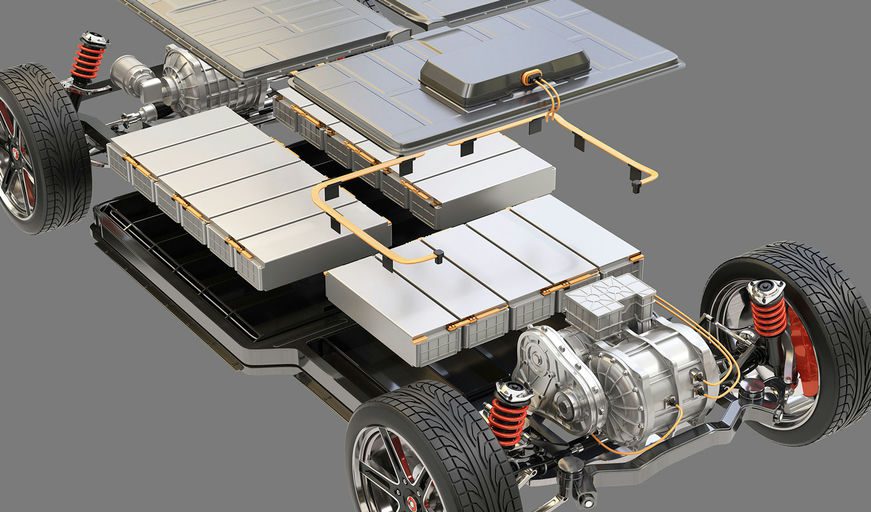
The core of any electric vehicle is its battery pack, a complex system of interconnected cells designed to store and deliver substantial amounts of energy. While these systems are inherently safe when properly designed and manufactured, the high energy density and potential for thermal events necessitate advanced protective solutions.
The rapid expansion of the EV market means more vehicles on the road, increasing the statistical probability of incidents if safety is not meticulously prioritized. From minor impacts to internal cell failures, potential hazards can lead to thermal runaway – a dangerous chain reaction within a battery cell that can propagate heat and fire.
Effectively mitigating these risks requires a multi-layered approach, encompassing cell design, battery management systems, structural integrity, and passive fire protection. Flame-retardant materials play a crucial role in preventing or slowing the spread of fire within the battery pack, providing precious time for safety systems to activate and occupants to evacuate.
Understanding EV Battery Fire Risks and Industry Standards
EV battery fires, though statistically rare compared to conventional vehicle fires, pose unique challenges due to their intensity and difficulty in suppression. Risks can stem from various factors including mechanical damage from collisions, manufacturing defects, overcharging, internal short circuits, and extreme external temperatures.
Global regulatory bodies and industry consortiums have established stringent safety standards aimed at minimizing these risks. These standards dictate rigorous testing protocols for battery packs, covering aspects like impact resistance, thermal shock, vibration, short-circuit protection, and flame propagation resistance. Manufacturers are constantly seeking materials and technologies that not only meet but exceed these evolving requirements, ensuring maximum protection for occupants and surrounding environments.
The development of advanced materials, such as flame-retardant tapes for EVs, is a direct response to the industry’s commitment to continuous safety improvement. These materials act as critical barriers, containing thermal events and preventing their escalation, thereby contributing significantly to overall system integrity and reliability.
Introducing CleanTape® FR: A Breakthrough in Flame-Retardant Adhesive Technology
Mactac CleanTape® FR represents a significant advancement in adhesive tape technology tailored for high-stakes applications. The key differentiator lies in its non-halogenated composition. Traditional flame retardants often contain halogens (like chlorine and bromine), which, while effective, can release toxic and corrosive gases when combusted, posing environmental and health concerns.
By opting for a non-halogenated formulation, CleanTape® FR provides superior flame retardancy without the associated environmental footprint or potential for harmful byproducts, aligning with increasing sustainability goals across the automotive supply chain. This innovation ensures that safety improvements do not come at the cost of ecological responsibility.
The portfolio is specifically engineered for critical components within the battery pack and broader EV architecture. Its adhesive properties ensure secure, long-lasting attachment even in challenging operating conditions, while its flame-retardant characteristics provide essential passive protection against thermal events.
Versatile Applications of Flame-Retardant Tapes in EVs
The utility of flame-retardant tapes in EVs extends across numerous crucial applications within the battery system and beyond. These tapes are vital for insulating individual battery cells, creating protective layers within modules, and ensuring the integrity of the overall battery pack structure.
Specific applications include, but are not limited to, cell-to-cell insulation, module wrapping, securing wiring harnesses, sealing critical enclosures, and providing thermal barriers between components. By preventing electrical shorts and limiting the spread of heat and flame, these tapes contribute to a more robust and resilient battery architecture.
Furthermore, flame-retardant tapes for EVs are increasingly used in power electronics, circuit protection, and thermal management systems, where high temperatures and electrical loads present potential fire hazards. Their versatility allows manufacturers to integrate superior safety features without compromising on design flexibility or manufacturing efficiency.
Addressing Engineering and Assembly Challenges with CleanTape® FR
Manufacturers of EV batteries and energy storage systems constantly grapple with complex engineering and assembly challenges. These include the need for lightweight materials, high-performance adhesion under varied environmental conditions, ease of application during high-volume production, and long-term durability.
CleanTape® FR is designed to directly address these pain points. Its reliable adhesive properties ensure secure bonding, reducing the risk of component detachment even under vibration or thermal cycling. The tape’s robust construction contributes to the structural integrity of the battery pack, while its ease of application streamlines assembly processes, helping to reduce manufacturing time and costs.
By providing a consistent and dependable solution, Mactac helps engineers achieve optimal performance and safety standards without introducing additional complexity into their designs or production lines. The focus is on integrating an advanced solution that works seamlessly within existing manufacturing frameworks.
Highlighting Unique Performance Advantages
The unique performance advantages of CleanTape® FR differentiate it within the competitive landscape of EV material solutions. Beyond its non-halogenated flame retardancy, the tape portfolio offers exceptional adhesion to a variety of substrates commonly found in EV battery packs, including plastics, metals, and composites.
Its thermal resistance ensures stable performance across a wide range of operating temperatures, crucial for the demanding environment within an EV battery. Furthermore, the tapes exhibit excellent mechanical strength and durability, resisting abrasion and environmental degradation over the long lifespan of an electric vehicle. This combination of attributes ensures that CleanTape® FR provides reliable, long-term protection, contributing significantly to the overall safety and longevity of EV battery systems.
Webinar to Detail Solution and Industry Context
Industry professionals are invited to learn more about this innovative solution in an upcoming webinar hosted by Mactac. Scheduled for September 17, 2026, at 11:00 am EDT, the free session will delve into the critical aspects of EV battery fire risks, explore key safety standards, discuss practical applications of flame-retardant tapes, and detail the unique performance advantages that set CleanTape® FR apart.
The webinar offers a valuable opportunity for engineers, designers, and manufacturers to gain in-depth insights into how advanced adhesive solutions can significantly elevate the safety profile of electric vehicles and energy storage applications. Registration for this complimentary event is now open.
The Broader Virtual Conference on EV Engineering
The CleanTape® FR webinar is a pivotal part of the larger Virtual Conference on EV Engineering, which will broadcast live from September 14 to 17, 2026. This comprehensive online event is designed to cover the entire EV engineering supply chain and ecosystem, bringing together experts and innovators from across the globe.
The conference agenda spans a wide array of crucial topics, including motor and power electronics design and manufacturing, advanced cell development, sophisticated battery systems, rigorous testing protocols, efficient powertrains, innovative thermal management solutions, robust circuit protection, specialized wire and cable technologies, and critical EMI/EMC considerations. Attendees can explore the complete session list for the Virtual Conference on EV Engineering for a full overview of the diverse program.
Other notable sessions at the conference will cover themes such as advancing battery safety through early thermal runaway detection with Infineon sensors, scalable and cost-efficient testing of battery management systems, and the shaping of single-stage on-board chargers with CoolGaN™ automotive bidirectional switches. Further topics include high-fidelity FPGA motor models for real-time HIL validation, simplifying commercial EV power distribution, and driving reliable insulation systems for e-mobility innovation.
Additionally, sessions on ultrasonic solutions for critical connections, testing for anti-islanding in EV chargers and V2G systems, multiphysics modeling of transport phenomena in cells, and optimizing HV/LV power conversion for next-generation xEV architectures highlight the breadth of engineering challenges and solutions being presented. Discussions will also extend to extrusion and co-extrusion for thermal, electrical, and sensing applications, underscoring the comprehensive nature of the event.
Future Outlook for EV Safety and Materials Science
The continuous innovation in materials science, exemplified by flame-retardant tapes for EVs, is indispensable for the sustainable growth of the electric vehicle market. As battery technologies evolve, so too must the protective measures surrounding them. Collaboration between material suppliers, automotive manufacturers, and regulatory bodies will be key to developing even safer, more efficient, and environmentally friendly electric vehicles.
Solutions like Mactac CleanTape® FR not only address immediate safety concerns but also lay the groundwork for future advancements in battery design and integration. These innovations underscore a proactive approach to safety, ensuring that the promise of electric mobility is delivered with uncompromising reliability and peace of mind for consumers worldwide.
Frequently Asked Questions (FAQ)
What is Mactac CleanTape® FR?
Mactac CleanTape® FR is a new portfolio of non-halogenated flame-retardant adhesive tapes. These tapes are specifically engineered to enhance the safety of battery packs in electric vehicles (EVs) and energy storage applications by providing passive fire protection and addressing key manufacturing challenges without using harmful halogen compounds.
Why is EV battery safety more important now?
With the accelerating global adoption of electric vehicles, the sheer number of EVs on the road is increasing rapidly. This growth amplifies the importance of robust battery safety measures to prevent fire risks associated with high-energy density battery packs, ensuring consumer trust and meeting stringent regulatory requirements for widespread market acceptance.
What are the key advantages of non-halogenated flame-retardant tapes?
Non-halogenated flame-retardant tapes, like CleanTape® FR, offer effective fire protection without releasing toxic or corrosive gases when exposed to high temperatures or fire. This makes them a more environmentally friendly and safer choice compared to traditional halogenated flame retardants, aligning with sustainability goals and enhancing safety profiles.
Where are flame-retardant tapes used in EVs?
Flame-retardant tapes are critical in various parts of an EV battery system. They are used for cell-to-cell insulation, module wrapping, securing wiring harnesses, sealing critical enclosures, and providing thermal barriers within the battery pack. These applications help prevent electrical shorts and limit the propagation of heat and flame in case of a thermal event.
What will the CleanTape® FR webinar cover?
The webinar, scheduled for September 17, 2026, will explore EV battery fire risks, key safety standards, diverse flame-retardant tape applications, and the specific unique performance advantages of Mactac CleanTape® FR. It provides in-depth technical insights for engineers and manufacturers seeking advanced safety solutions.
What is the Virtual Conference on EV Engineering?
The Virtual Conference on EV Engineering is a comprehensive online event running from September 14 to 17, 2026. It covers the entire EV engineering supply chain and ecosystem, including topics like motor design, power electronics, battery systems, thermal management, and testing, offering a holistic view of industry advancements and challenges.
How does CleanTape® FR help manufacturers with assembly challenges?
CleanTape® FR is designed to provide high-performance adhesion and ease of application, streamlining assembly processes for EV battery packs. Its reliable bonding, durability, and resistance to environmental factors simplify manufacturing, reduce rework, and contribute to the overall efficiency and consistency of high-volume production.