
Key Takeaways
- Rapid EV adoption necessitates heightened focus on battery safety, addressing inherent fire risks like thermal runaway.
- New solutions, such as Mactac CleanTape® FR, offer non-halogenated flame-retardant adhesive tapes to bolster battery pack safety.
- These advanced flame-retardant tapes are engineered to meet stringent safety standards and overcome complex manufacturing challenges.
- An upcoming webinar on September 17, 2026, will detail the application and unique advantages of these innovative materials.
- The broader Virtual Conference on EV Engineering (September 14-17, 2026) covers the entire EV ecosystem, emphasizing continuous innovation in battery design, power electronics, and thermal management.
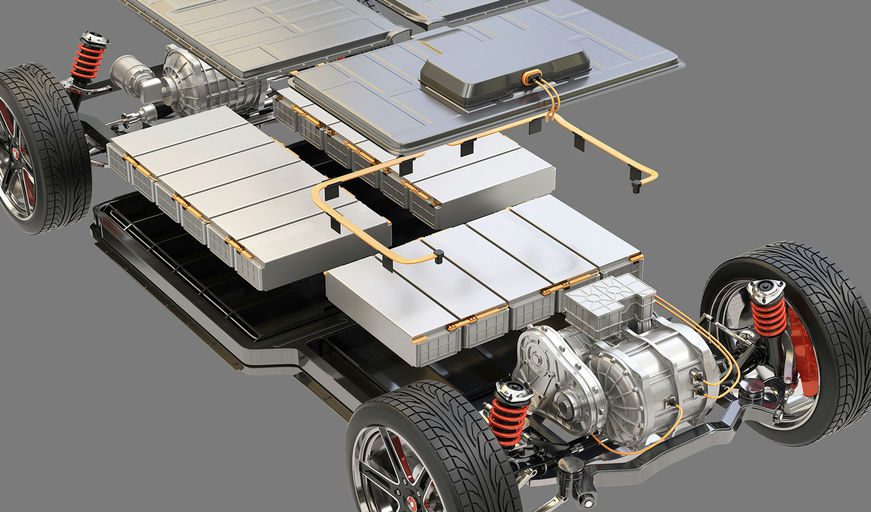
As the global transition towards electric vehicles (EVs) accelerates at an unprecedented pace, the paramount importance of battery safety has emerged as a critical concern for manufacturers, regulators, and consumers alike. Ensuring the integrity and safe operation of battery packs, which are the heart of any EV, is not merely a technical challenge but a foundational requirement for sustained market confidence and widespread adoption.
Addressing this vital need, a new generation of material solutions is being introduced, specifically designed to enhance protection against fire risks inherent in high-energy-density battery systems. One such innovation is Mactac CleanTape® FR, a specialized portfolio of non-halogenated flame-retardant adhesive tapes engineered to significantly improve battery pack safety while simultaneously streamlining complex engineering and assembly processes.

The Imperative of EV Battery Safety
Electric vehicle batteries, particularly lithium-ion variants, store substantial amounts of energy. While incredibly efficient, this high energy density presents potential safety challenges, predominantly associated with thermal runaway. Thermal runaway is a phenomenon where an increase in temperature causes further temperature increase, leading to a self-sustaining exothermic reaction that can result in fire or explosion.
Mitigating these risks requires a multi-faceted approach, integrating robust battery management systems, sophisticated thermal management, and advanced material science. The choice of materials within the battery pack and its enclosure plays a decisive role in preventing, containing, or slowing down the propagation of thermal events, thereby providing critical time for safety systems to activate or for occupants to evacuate.
Understanding Fire Risks in Energy Storage Systems
Beyond passenger EVs, similar safety considerations apply to stationary energy storage applications, which utilize large battery arrays for grid stability, renewable energy integration, and industrial backup. The scale of these installations amplifies the potential impact of safety incidents, making comprehensive fire protection an absolute necessity.

In both mobile and stationary contexts, internal shorts, manufacturing defects, external impact, and overcharging can trigger thermal runaway. Once initiated, the rapid spread of heat and flame through adjacent cells or modules poses a significant challenge. This is where advanced flame-retardant materials, such as specialized tapes, become indispensable components of a comprehensive safety strategy.
The Role of Flame-Retardant Tapes in Battery Design
Flame-retardant tapes serve multiple critical functions within EV battery packs. They are strategically placed to insulate, separate, and protect individual cells and modules, as well as crucial electronic components and wiring. Their primary role is to act as a barrier, preventing the spread of flames and heat in the event of a localized thermal incident.
Traditional flame-retardant solutions often incorporate halogenated chemicals, which, while effective, can release toxic fumes when burned. The industry is increasingly moving towards non-halogenated alternatives, driven by environmental concerns and stricter regulatory requirements regarding material safety and emissions.
Introducing Mactac CleanTape® FR: A New Solution
Mactac CleanTape® FR represents a significant advancement in this field. This portfolio of adhesive tapes is explicitly designed to be non-halogenated, aligning with contemporary environmental and health standards while delivering superior flame-retardant performance. Their formulation is aimed at reducing the combustibility of battery components and preventing the propagation of fire.
Beyond fire safety, these tapes are engineered to address specific engineering and assembly challenges inherent in battery manufacturing. This includes aspects like ease of application, adhesion to diverse substrates common in battery packs, and resistance to environmental factors such as temperature fluctuations and humidity, which are crucial for long-term reliability and performance.
Key Safety Standards and Performance Advantages
The development of flame-retardant materials for EV applications is tightly coupled with evolving safety standards worldwide. These standards, often set by bodies like the ISO, UN, and various national automotive safety organizations, dictate rigorous testing protocols for battery systems, including thermal runaway propagation tests. Materials like CleanTape® FR are designed to help manufacturers meet these stringent requirements, contributing to overall product certification and market acceptance.
The unique performance advantages of CleanTape® FR lie in its combination of effective flame retardancy, absence of halogenated compounds, and robust adhesive properties. This blend ensures that the tapes not only inhibit fire but also maintain structural integrity and adhesion under demanding operational conditions, thereby contributing to the longevity and reliability of the battery pack.
Diving Deeper: An Exclusive Webinar
Industry professionals, engineers, and stakeholders interested in the forefront of EV battery safety technology are invited to join an exclusive webinar focusing on these critical advancements. The session will explore EV battery fire risks in detail, shed light on key safety standards, and demonstrate the practical applications of flame-retardant tapes in modern battery architecture.
Participants will gain insights into the unique performance advantages that distinguish Mactac CleanTape® FR in the market, understanding how these tapes contribute to enhancing safety while optimizing manufacturing processes. The webinar is scheduled for **September 17, 2026, at 11:00 am EDT**. Interested individuals can register now for this free event to secure their spot.
The Virtual Conference on EV Engineering: A Comprehensive Industry Forum
The webinar on flame-retardant tapes is part of the larger Virtual Conference on EV Engineering, a significant industry event broadcast live from September 14 to 17, 2026. This comprehensive conference serves as a pivotal platform for exploring the entire EV engineering supply chain and ecosystem, bringing together experts and innovators from across the globe.
The conference agenda spans a vast array of critical topics essential for the advancement of electric mobility. These include, but are not limited to, motor and power electronics design and manufacturing, cutting-edge cell development, integrated battery systems, rigorous testing methodologies, efficient powertrains, advanced thermal management solutions, robust circuit protection, specialized wire and cable technologies, and crucial EMI/EMC considerations. Attendees are encouraged to See the complete session list for the Virtual Conference on EV Engineering here.
Expanding the Horizons of EV Innovation
The event showcases a broad spectrum of sessions vital for continuous innovation in the EV sector. Examples of other high-impact presentations at the conference include:
- Advancing Battery Safety Through Early Thermal Runaway Detection With Infineon Sensors
- Scalable And Cost-Efficient Testing Of State-of-the-Art Battery Management Systems
- CoolGaN™ Automotive Bidirectional Switch: Shaping Single-Stage On-Board Chargers
- Microseconds Matter: High-Fidelity FPGA Motor Models For Real-Time HIL Validation
- Simplifying Commercial EV Power Distribution With Integrated Off-the-Shelf Solutions
- From Lab To Vehicle: Driving Reliable Insulation Systems For E-mobility Innovation
- Driving Efficiency In EV Manufacturing: Ultrasonic Solutions For Critical Connections
- How To Test For Anti-Islanding In EV Chargers, OBCs, And V2G Systems
- Multiphysics Modeling Of Transport Phenomena In Cells With Gas Diffusion Electrodes
- Optimizing HV/LV Power Conversion For Next-Generation xEV Architectures
- Beyond Sealing: Extrusion And Co-Extrusion For Thermal, Electrical, And Sensing Applications
Each session underscores the dynamic nature of EV engineering, highlighting ongoing efforts to push the boundaries of performance, efficiency, and above all, safety. The diverse topics reflect the collaborative and interdisciplinary effort required to build the next generation of electric vehicles and sustainable energy solutions.
Conclusion
The relentless pursuit of safety in electric vehicle battery technology is a cornerstone of the industry’s progression. Innovations like Mactac CleanTape® FR represent crucial steps in enhancing the inherent safety of EV battery packs, offering advanced flame-retardant tapes that meet stringent industry demands while addressing environmental considerations. The upcoming webinar and the broader Virtual Conference on EV Engineering underscore the industry’s commitment to sharing knowledge, fostering innovation, and collectively driving forward the future of safe and sustainable electric mobility.
Frequently Asked Questions About EV Battery Safety and Flame-Retardant Tapes
What are the primary fire risks associated with EV batteries?
The main fire risk for EV batteries is thermal runaway, an uncontrollable exothermic reaction that can lead to overheating, smoke, fire, and even explosion. This can be triggered by internal shorts, overcharging, external damage, or manufacturing defects within the lithium-ion cells.
How do flame-retardant tapes enhance EV battery safety?
Flame-retardant tapes are strategically integrated into battery packs to insulate cells and modules, acting as a barrier to prevent the propagation of heat and flames. In the event of a thermal incident, they help contain the fire, slow its spread, and provide critical time for safety systems to activate or for occupants to evacuate.
What does “non-halogenated” mean in the context of flame-retardant tapes?
Non-halogenated flame-retardant tapes do not contain halogen elements like chlorine, bromine, or fluorine. This is significant because when halogenated materials burn, they can release corrosive and toxic fumes, posing environmental and health risks. Non-halogenated alternatives are safer and more environmentally friendly.
What specific engineering challenges do advanced flame-retardant tapes address?
Beyond fire safety, these tapes address challenges such as precise application within complex battery geometries, reliable adhesion to diverse materials (plastics, metals, foils), and long-term durability under varying operational temperatures, vibrations, and humidity, ensuring consistent performance over the battery’s lifespan.
What is the Virtual Conference on EV Engineering?
The Virtual Conference on EV Engineering is a comprehensive online event held from September 14 to 17, 2026. It covers the entire EV engineering supply chain, featuring sessions on motor design, power electronics, battery systems, thermal management, testing, and new material innovations like flame-retardant tapes, bringing together industry experts and latest advancements.
Who should attend the webinar on Mactac CleanTape® FR?
The webinar is highly relevant for automotive engineers, battery designers, manufacturing specialists, R&D professionals, and anyone involved in electric vehicle development or energy storage systems. It provides valuable insights into advanced material solutions for enhancing battery safety and addressing manufacturing complexities.