
Key Takeaways (TL;DR)
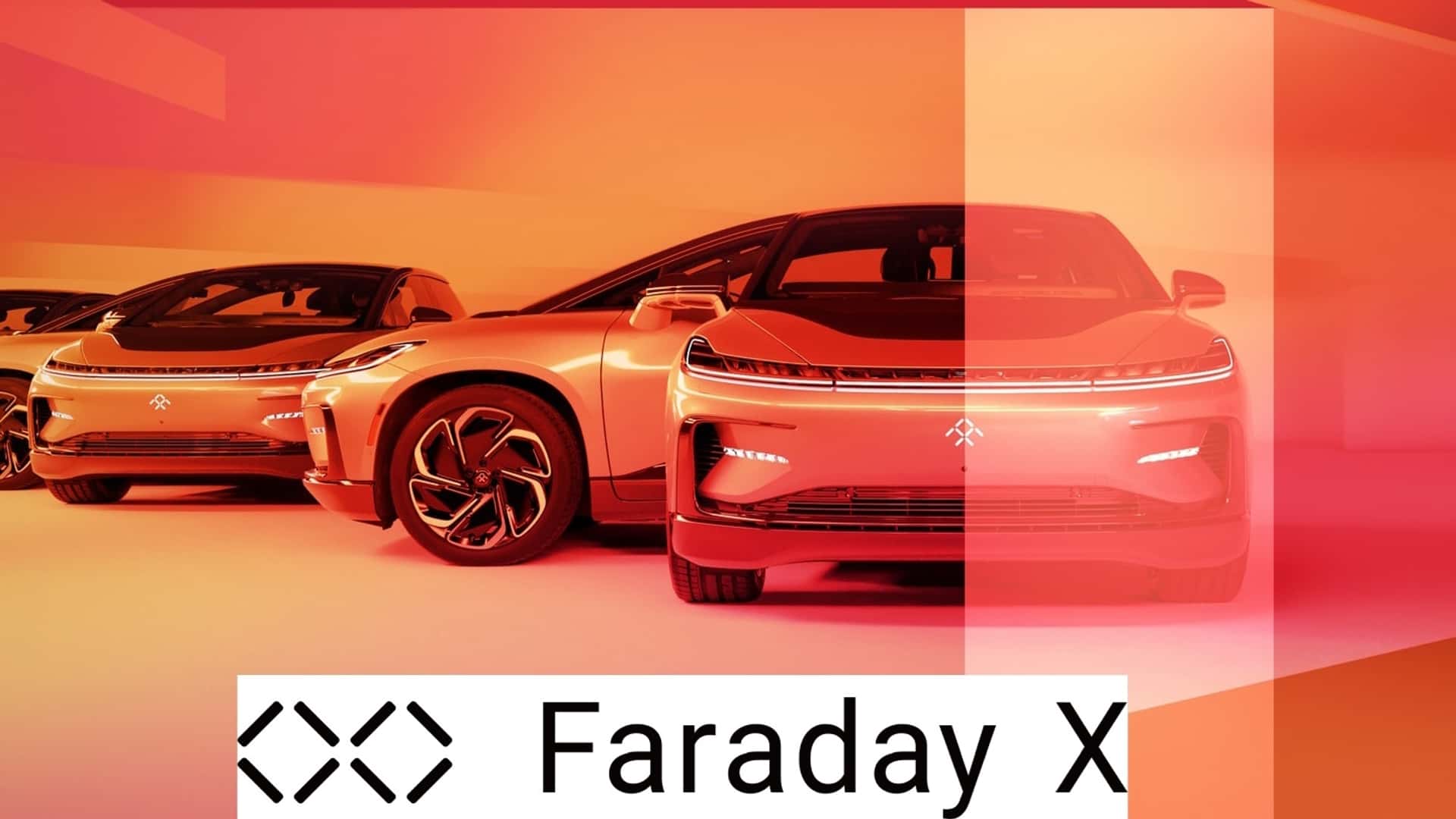
- Faraday Future introduced Faraday X at CES 2025, a new sub-brand targeting the affordable electric vehicle (EV) and plug-in hybrid (PHEV) market, with models priced from $20,000 to $50,000.
- The company promises a deeply integrated AI experience and aims for production of its luxury MPV, the Super One, by year-end 2025.
- Despite optimistic projections, Faraday Future faces significant credibility challenges stemming from a decade of financial turmoil, undelivered promises, and the limited production of its flagship FF 91 model (only 16 units since its 2017 unveiling).
- Concerns persist regarding founder Yueting ‘YT’ Jia’s ongoing personal debt issues and legal entanglements in China, which leadership insists do not impact the company.
- An evaluation of the Super One prototype and FF 91’s AI features revealed inconsistencies, with some AI capabilities appearing rudimentary or displaying incorrect information.
- Faraday Future’s leadership acknowledges past reputational issues but is appealing for a fresh start and renewed trust from stakeholders and the public.
LAS VEGAS, NEVADA – At the Consumer Electronics Show (CES) 2025, Faraday Future, a name synonymous with ambitious electric vehicle (EV) promises and prolonged corporate turbulence, presented a bold new direction. Max Ma, CEO of its newly launched sub-brand, Faraday X, articulated a compelling vision for a company reborn, focused on bringing affordable EVs and plug-in hybrids (PHEVs) to a broader market segment.
Ma’s narrative painted a picture of dogged perseverance, overcoming nearly a decade of significant hurdles to transition from concept to the limited production of its inaugural product. The strategic shift involves targeting price points between $20,000 and $50,000, alongside a commitment to integrate a sophisticated artificial intelligence (AI) experience across its new vehicle line-up. However, the optimism surrounding these new plans remains overshadowed by Faraday Future’s intricate and often problematic history, prompting critical scrutiny from observers.

A Decade of Unfulfilled Ambition: The Faraday Future Saga
The journey of Faraday Future has been a complex tapestry woven with threads of grand aspirations, corporate governance challenges, and geopolitical intricacies. Many in the automotive industry and beyond struggle to recall the full scope of its tumultuous past, which spans over a decade.
Central to this narrative is Yueting “YT” Jia, the company’s founder. Once celebrated as one of China’s most prominent internet entrepreneurs, Jia’s fortunes shifted dramatically as he accumulated substantial personal debts, leading to his current disfavor in his home country.
The company’s flagship project, the FF 91, debuted with significant fanfare at CES in 2017. It boasted impressive specifications, including over 1,000 horsepower, an estimated 378 miles of electric range, and Level 4 autonomous driving capabilities. These features, considered cutting-edge even by today’s standards, were promised for a production start in 2018 at a purpose-built Nevada factory. The emphasis on a ground-up facility, rather than a retrofitted plant, mirrored the ambitions seen in early Tesla and Rivian operations.

Despite considerable investment and incentives from the state of Nevada, the promised factory never fully materialized. Work on the facility ceased even before the FF 91’s public unveiling. This halt led Nevada’s treasurer at the time to publicly label the venture a “Ponzi scheme,” as reported by Fortune.
Fast forward to the present: eight years after the factory work was halted, seven years post-introduction, and six years beyond its projected production start, Faraday Future has reportedly produced merely 16 units of the FF 91. These vehicles have predominantly been distributed to company employees, compensated spokespeople, and advocates, including figures such as American singer Chris Brown. This distribution pattern has further fueled questions about the company’s strategic judgment and operational execution.
Faraday X: A Fresh Chapter at CES 2025?
Returning to CES, Faraday Future arrived with a renewed set of promises, asserting that this time, the trajectory would be different. The cornerstone of this fresh start is Faraday X, the company’s new sub-brand. In stark contrast to the FF 91, which carries a price tag exceeding $300,000, Faraday X aims squarely at the more accessible $20,000 to $50,000 market segment.
This new portfolio includes the FX 5, expected to be priced between $20,000 and $30,000, and the FX 6, targeting a $30,000 to $50,000 range. Additionally, a “Super One” minivan, with an undisclosed price, is part of this expansion. While specifics on the FX 5 and FX 6 remain scarce, Faraday X showcased a prototype of the Super One, announcing plans for its production to commence by the end of 2025 at its California manufacturing facility.
The Super One aims to introduce American consumers to the concept of “luxury MPVs” – multi-purpose vehicles – a segment that has gained considerable traction in Asian markets, particularly China. Max Ma envisions a vehicle that combines the opulence and amenities found in a Cadillac Escalade with the practical packaging of a Toyota Sienna, featuring plush reclining seats and state-of-the-art technology. Ma describes this strategic move as a “Nokia and iPhone moment” for the brand, believing it represents the opportune moment to capture market interest with the right product.
Ma’s confidence is rooted in his extensive background and expertise. An engineer by training, he has been with Faraday Future for over a decade. His prior experience includes engineering roles at Altran, a supplier to luxury brands like Porsche, and Bosch, where he contributed to the V-8, W-12, and W-16 engine programs for Volkswagen Group vehicles. Demonstrating personal conviction in the MPV segment, Ma drives a Kia Carnival. He identifies a clear market void between the highest-end minivans and super-luxury SUVs, a space he believes the Super One is perfectly positioned to fill, echoing the transformative impact of luxury MPVs in high-end Asian markets.
“The same thing is going to happen here,” Ma told InsideEVs, explaining the market shift. “Today, the celebrities are using Escalades. [It’s] big, but there’s no real luxury, top luxury, or, you know, space and comfort. There’s no AI. And then if you want to drive yourself, it’s very hard to drive. It’s a big car, right? At the same time, celebrities are starting to modify their Mercedes Sprinter vans because they do want to have [this experience].”
The Promise of AI Integration
A significant pillar of Faraday Future’s latest strategy revolves around an extensive integration of artificial intelligence. The company has been among the pioneers in widely adopting AI-centric terminology in the automotive sector, a trend that was notably pervasive at CES 2025. Yet, Faraday Future has arguably taken this further than most competitors.
Their flagship FF 91 is marketed not merely as an EV but as an “AI-EV.” Similarly, the Super One is positioned as a “Luxury AI MPV.” Given its eventual plug-in hybrid configuration with unannounced specifications, it will be designated a Range Extended Artificial Intelligence Electric Vehicle, or “RE-AIEV” for brevity. Both Faraday X CEO Max Ma and Faraday Future Global CEO Matthias Aydt underscored AI’s foundational role in their mission during an hour-long introduction. (It is notable that Jia was removed as CEO in 2022 following an internal investigation but remains with the company.) While pitching a technology company with a strong AI focus is a reasonable strategy in the current market, initial observations of the product itself began to reveal potential discrepancies.
Unveiling the Prototype: Promises vs. Reality
During a tour of the Super One prototype provided to journalists, including this reporter, the gap between Faraday Future’s ambitious AI rhetoric and the tangible product became apparent. Faraday X was transparent about collaborating with a Chinese partner to develop the Super One, leveraging a “mature design.” Essentially, the vehicle appears to be a rebadged Chinese plug-in hybrid MPV, onto which Faraday Future plans to integrate its proprietary technology. Observers noted that the interior bore a strong resemblance to a Dongfeng Voyah Dream, though photography was not permitted.
Crucially, the prototype displayed minimal, if any, FX-specific equipment. The dashboard, typical of an unfinished prototype, was covered in black cloth, indicating that the core tech stack remained incomplete. The focus of the demonstration shifted to the vehicle’s rear cabin, which featured large, comfortable recliners offering power recline and massage functions. These amenities, also available for the third row, indeed provided a luxurious experience, surpassing the comfort levels found in top-tier Toyota Sienna or Kia Carnival models.
However, when queried about the promised AI features, the product representative offered a somewhat vague response. “Well, it’s a general term,” he stated, subsequently mentioning expected functionalities like voice controls and semi-autonomous driving features. This explanation raised questions, as these capabilities are widely available across numerous modern minivans, seemingly contradicting Ma’s earlier assertion that no other MPV product on the market incorporated AI.
A subsequent demonstration of the FF 91’s tech suite showcased more impressive voice command capabilities. The representative successfully instructed the car to “Find me an Italian restaurant with outdoor seating and at least four stars, exclude pizzerias.” The system complied, and when asked to “Navigate to the third one,” it demonstrated context awareness. Yet, the “large language model” AI companion displayed on the rear screen proved less refined. After several attempts, a CNBC YouTube video was played, and while the AI companion did pull up a relevant stock ticker as promised, the displayed stock price was either outdated by at least three months or entirely inaccurate, bearing no resemblance to current market values. This specific observation, made on a production model like the FF 91, serves as a stark metaphor for the challenges of integrating advanced AI, highlighting potential superficial or flawed applications. The Super One, still in prototype phase, has yet to reach even this level of AI implementation.
The Shadow of YT Jia: Founder’s Ongoing Financial Challenges
At the very core of the Faraday Future narrative lies the indelible influence of Yueting “YT” Jia. As the company’s founder and Chief Product Officer, and a figure who once garnered significant social media attention as a Chinese entrepreneur, Jia was conspicuously absent from the recent CES meeting. Max Ma confirmed that Jia continues to face legal difficulties in China.
Jia’s entrepreneurial endeavors included companies like Leshi, a streaming service akin to Netflix, and LeEco, a conglomerate spanning televisions, smartphones, and even an automotive enterprise distinct from Faraday Future. The organizational lines between his various ventures were often blurred, yet at his peak, Jia was recognized as a billionaire, frequently compared to Elon Musk during China’s economic ascent in the 2010s.
However, Jia subsequently amassed immense personal debt, much of it secured against his Faraday Future stock. His failure to repay creditors led to a personal bankruptcy filing in the United States, though his financial and legal affairs in mainland China remain unsettled. Ma clarified the current situation: “Under U.S. law, YT has been through a successful personal restructuring.” He added, “And within [Chinese] law, there have been certain small amounts of funding that need to be further cleared. So that’s the reason why he’s still working very hard to, kind of through different means, to try to earn money and pay the debt back to the debt creditors.”
This ongoing legal and financial vulnerability surrounds Jia, casting a long shadow over Faraday Future. The company itself has experienced significant financial distress, including a prior near-collapse that necessitated a bailout by Evergrande, a Chinese property giant that subsequently faced its own well-publicized financial crisis, nearly destabilizing China’s economy. Despite these concerns, Faraday Future’s leadership continues to emphasize Jia’s critical role.
Matthias Aydt, the global CEO, stated to InsideEVs: “His role is pretty important. He’s the founder of the company. He has given his ideas to the products. So from that perspective, he’s an essential and crucial element for our leadership team. He’s reporting in parallel to me, directly to the board, so his role is focusing very much on product and the user ecosystem.” Aydt dismissed concerns about Jia’s personal issues, categorizing them as solely personal matters and asserting that Faraday Future bears no further exposure to them. Both Aydt and Ma also expressed their personal trust in Jia and described him as a good person.
This leadership stance, however, raises a fundamental question for external stakeholders: should shareholders, prospective customers, and industry critics extend the same level of trust given Faraday Future’s history and its founder’s ongoing entanglements?
Charting a New Course: Faraday Future’s Path Forward
Max Ma, a veteran of Faraday Future since its inception, directly appealed to the media for a more positive outlook on the brand. He articulated a narrative of profound resilience, recounting the company’s arduous journey through an attempted corporate takeover, the failure of its initial Nevada manufacturing plant, and the eventual, albeit limited, launch of the FF 91. His persistence, he suggested, is a testament to an unwavering commitment to making the venture succeed.
When confronted with the inherent difficulty in extending immediate credibility to Faraday Future, given its historical performance, Ma acknowledged the challenge. “We have been trained, with big hearts, with resilience, with hard [work.] We also want to have this big opportunity to prove that we can do it again, right?” Ma told InsideEVs, emphasizing the company’s determination.
He further added, “There’s also activities about a reputational issue. But today we have cleared up all those issues. It’s all behind us. We want to have a fresh start.” While Faraday Future’s leadership expresses a desire to move past its turbulent reputation, the automotive industry and public will likely demand tangible, consistent results before fully embracing this promised fresh start.
FAQ Section
What is Faraday X?
Faraday X is a new sub-brand launched by Faraday Future at CES 2025. It aims to develop more affordable electric vehicles (EVs) and plug-in hybrids (PHEVs), targeting a price range of $20,000 to $50,000. This strategy marks a significant departure from Faraday Future’s premium-priced FF 91 model, seeking to broaden its market appeal with new models like the FX 5, FX 6, and the Super One luxury minivan.
What are Faraday Future’s new vehicle offerings?
Under its Faraday X sub-brand, the company plans to introduce the FX 5, projected to cost between $20,000 and $30,000, and the FX 6, with a target price of $30,000 to $50,000. The third model is the “Super One,” a luxury minivan. Faraday X expects the Super One, which was displayed as a prototype at CES 2025, to enter production at its California facility by the end of 2025, emphasizing advanced comfort and technology.
What role does AI play in Faraday Future’s new strategy?
Faraday Future heavily emphasizes artificial intelligence across its product line, branding its vehicles as “AI-EVs” or “Luxury AI MPVs.” The company’s vision includes deeply integrated AI experiences, from advanced voice controls to semi-autonomous driving features. However, demonstrations at CES 2025 revealed that some AI functionalities, particularly in the Super One prototype and the FF 91’s rear screen companion, appeared rudimentary or presented inaccurate information, raising questions about their current implementation.
Who is Yueting ‘YT’ Jia and what is his current status?
Yueting “YT” Jia is the founder and Chief Product Officer of Faraday Future. Once a prominent Chinese entrepreneur, he faces significant personal debt issues and ongoing legal challenges in China. While he underwent a personal bankruptcy restructuring in the U.S., some financial affairs in mainland China remain unresolved. Despite this, Faraday Future’s current leadership maintains that Jia’s personal issues do not affect the company’s operations, and they consider him an essential part of the product and user ecosystem.
Has Faraday Future delivered on its past promises?
Historically, Faraday Future has faced challenges in delivering on its ambitious promises. The FF 91, unveiled at CES 2017 with a projected 2018 production start, saw only 16 units produced over seven years, many distributed to employees or spokespeople. The planned Nevada factory also never materialized, leading to significant reputational setbacks. The company acknowledges these past issues and is now appealing for a fresh start and renewed trust from the public and investors.
What are the production plans for Faraday Future’s new models?
Faraday X plans to produce its Super One luxury minivan by the end of 2025 at its manufacturing facility in California. This model, intended to introduce the concept of luxury MPVs to the American market, is reportedly being developed with the assistance of a Chinese partner, utilizing an existing design. Specific production timelines for the FX 5 and FX 6 models have not yet been disclosed, but they are expected to follow the Super One’s introduction into the affordable EV segment.