
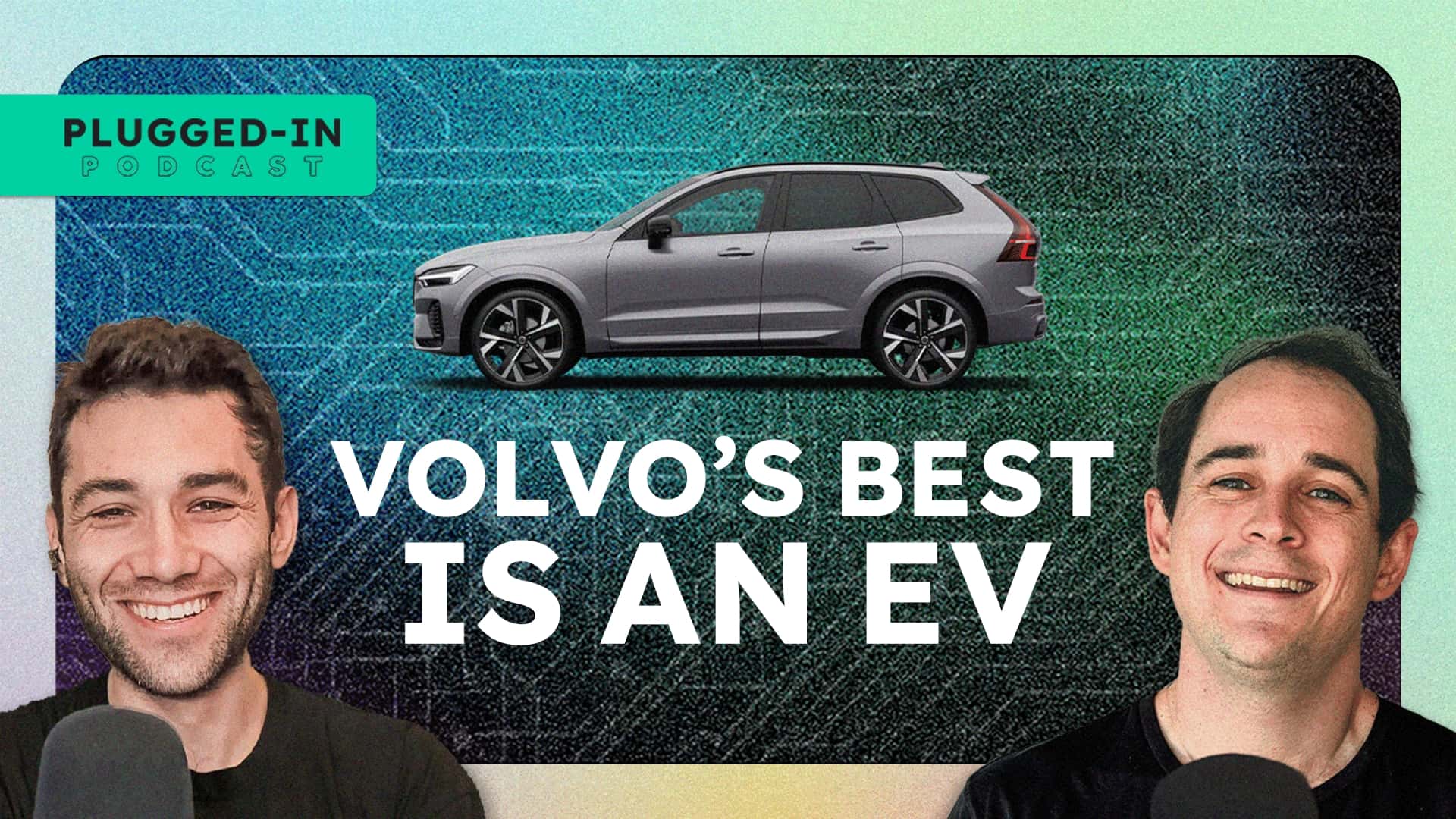
The electric vehicle (EV) market is currently navigating a period of stark contrasts. While technological advancements in EV design and charging infrastructure are rapidly accelerating, a proposed federal fee for EV drivers in the United States introduces new hurdles, fueling debate over fairness and the future of EV adoption. This dynamic landscape highlights both the immense progress within the automotive industry and the policy challenges that continue to shape consumer choices.
Against this backdrop, the emergence of ‘Gen 3’ EVs, exemplified by models like the Volvo EX60, signals a significant leap forward in vehicle performance and user experience. Concurrently, innovations in fast-charging networks are addressing historical infrastructure concerns, indicating that despite legislative roadblocks, the global shift towards electric mobility remains an unstoppable force driven by industry commitment.

Key Takeaways:
- Congress is considering a $130 annual federal fee for EV drivers, purportedly to compensate for lost gas tax revenue.
- This proposed EV driver fee is projected to increase, contrasting with the stagnant federal gas tax, raising questions about equitable contribution to road funds.
- The latest ‘Gen 3’ electric vehicles, like the Volvo EX60, BMW iX3, and Mercedes GLC EV, represent significant advancements in software integration, charging architecture, and overall vehicle design.
- The Volvo EX60, specifically, is lauded for its sophisticated user experience, impressive range, rapid charging capabilities, and competitive pricing.
- Charging infrastructure is evolving rapidly, with companies like ABB rolling out 400-kW fast chargers at locations like Walmart, alongside plans for Megawatt chargers.
- Despite governmental incentives being scaled back and new EV charging fees being introduced, the global automotive industry’s push towards electrification continues unabated.
Federal Roadblocks: The Imposed EV Driver Fee Debate
A significant point of contention in the evolving EV landscape is the recent proposal from the U.S. Congress regarding a federal fee for EV drivers. Legislators are weighing an annual charge of $130 for owners of electric vehicles. This measure is ostensibly designed to offset the reduction in federal gas tax revenues, which traditionally fund crucial road construction and maintenance projects across the nation.
Proponents argue that this EV driver fee ensures all road users contribute their “fair share” to infrastructure upkeep. However, critics swiftly challenge the premise of fairness, noting that while the proposed EV driver fee is designed to increase over time, the federal gas tax itself has not seen an adjustment in decades. This disparity raises questions about the equitable distribution of financial responsibility for national infrastructure.
The imposition of such a fee is seen by many as a counterintuitive move at a time when accelerating EV adoption is critical for environmental sustainability. Critics contend it acts as another disincentive for consumers considering the switch to electric, directly impacting efforts to improve air quality and mitigate the ongoing climate crisis. The federal government’s actions, including scaling back EV incentives and funding for charging infrastructure, present a complex picture for the future of sustainable transportation.

The Dawn of ‘Gen 3’ Electric Vehicles
Despite policy uncertainties, the technological evolution of electric vehicles continues at a rapid pace. A new wave of ‘Gen 3’ EVs is arriving, fundamentally transforming the ownership experience. This generation marks a significant departure from earlier attempts by established automakers like Volvo, Mercedes, and BMW, which, despite their initial foray, often yielded mixed results.
First-generation EVs from these brands, while functional, frequently lacked true software-defined vehicle capabilities, did not incorporate advanced 800-volt architectures for ultra-fast charging, and often carried a premium price tag compared to their internal combustion engine counterparts. These initial offerings, while paving the way, left room for substantial improvement.
The landscape is now changing dramatically with the introduction of models such as the BMW iX3, the Mercedes GLC EV, and the Volvo EX60. These vehicles embody the ‘Gen 3’ ethos, arriving as genuinely software-defined platforms. This technological leap translates into tangible benefits: enhanced packaging efficiency, superior performance metrics, intuitive user experiences, and more competitive cost structures.
A Deep Dive into the Volvo EX60: A Benchmark for Next-Gen EVs
Among the vanguard of these ‘Gen 3’ EVs, the Volvo EX60 has emerged as a particularly compelling example, living up to considerable industry anticipation. Journalists and early reviewers have highlighted its comprehensive appeal, solidifying its position as a potential benchmark for forthcoming electric vehicles.
The EX60’s strengths are multifaceted, beginning with its ultra-polished user experience. The vehicle’s interior is consistently praised for its design, material quality, and ergonomic layout, setting a high standard for luxury and comfort in the segment. Moreover, its impressive range specifications alleviate common concerns about electric vehicle travel distances, making it a viable option for a broad spectrum of drivers.
Fast charging capabilities are another key attribute, with the EX60 designed to accommodate quick energy replenishment, minimizing downtime during longer journeys. Crucially, the pricing strategy for the Volvo EX60 places it on par with the plug-in hybrid XC60 model. This competitive positioning makes the advanced electric offering a highly attractive proposition for consumers, potentially signaling a ‘slam dunk’ for the Swedish automaker and solidifying its reputation as what some describe as “the best Volvo ever.”
Advancements in EV Charging Infrastructure
The robust development of electric vehicles is being paralleled by significant enhancements in the charging infrastructure necessary to support them. A few years ago, locating a functional fast charger capable of supporting high speeds, such as the EX60’s 370-kW maximum charging speed, was a challenge, with operational reliability often a concern.
Today, the situation is markedly different. The availability of 350-kW chargers is increasing steadily in regions like California, and their reliability has improved significantly. This upward trend in charging speed and accessibility is set to continue, largely thanks to innovators in the field like ABB E-Mobility.
ABB, a leader in charging technology, is actively rolling out 400-kW fast chargers at retail locations across the country, notably at Walmart stores, as the retailer expands its commitment to EV charging infrastructure. Looking ahead, ABB also has plans for developing and deploying Megawatt chargers, promising even faster charging times that will further reduce the inconvenience associated with electric vehicle ownership. This commitment from companies like ABB, as discussed by Brandt Hastings, President of North America at ABB E-Mobility, underscores a proactive approach to shaping the future of fast charging.
Navigating the Contrasts: Policy vs. Progress
The current state of the EV market presents a compelling dichotomy: on one hand, remarkable progress in vehicle technology and charging infrastructure; on the other, perplexing policy decisions, such as the proposed EV driver fee, that threaten to impede widespread adoption. The federal government’s withdrawal of incentives and its scaled-back ambitions for charging infrastructure funding stand in sharp contrast to the innovation driven by the private sector.
Despite these governmental hurdles, the momentum towards electrification within the global automotive industry remains undeniable. Major companies, from manufacturers like Volvo to retailers like Walmart and technology providers like ABB, are collectively demonstrating an unwavering commitment to the electric future. This industry-led push ensures that the transition to electric vehicles will continue, irrespective of the regulatory landscape in specific regions.
The narrative is clear: while policy debates surrounding EV driver fees and infrastructure funding persist, the fundamental shift towards electric mobility is firmly underway. The advancements in ‘Gen 3’ EVs and rapid expansion of reliable charging networks are strong indicators that the future of transportation will be predominantly electric, driven by technological superiority and consumer demand.
Frequently Asked Questions (FAQs)
What is the proposed federal fee for EV drivers?
Congress is considering an annual federal fee of $130 for electric vehicle drivers. This fee aims to compensate for the foregone gas tax revenue that traditionally funds road construction and repairs, seeking to ensure EV owners contribute to infrastructure maintenance.
How does the EV driver fee compare to gas taxes?
The proposed $130 annual EV driver fee is designed to increase over time. In contrast, the federal gas tax, which contributes to similar road funds, has remained unchanged for decades. Critics argue this creates an unfair burden on EV owners compared to gasoline vehicle drivers.
What are ‘Gen 3’ EVs, and why are they significant?
‘Gen 3’ EVs represent the latest generation of electric vehicles, characterized by true software-defined capabilities, 800-volt charging architectures for faster speeds, and improved overall design. They offer better performance, user experience, and often more competitive pricing than earlier EV models.
What makes the Volvo EX60 a notable ‘Gen 3’ EV?
The Volvo EX60 stands out for its ultra-polished user experience, premium interior, excellent range specifications, and quick charging speeds. Its price point is also competitive, often on par with its plug-in hybrid counterpart, making it a compelling choice in the luxury EV segment.
How is EV charging infrastructure improving?
EV charging infrastructure is advancing with greater availability of high-speed chargers. Companies like ABB are deploying 400-kW fast chargers at national retailers such as Walmart, significantly reducing charging times. Plans for even faster Megawatt chargers are also in development.
Will new fees and reduced incentives halt EV adoption?
While new EV driver fees and scaled-back federal incentives pose challenges, the global automotive industry’s commitment to electrification is strong. Major manufacturers and infrastructure providers continue to innovate and invest, suggesting that the transition to electric vehicles will continue its trajectory.