
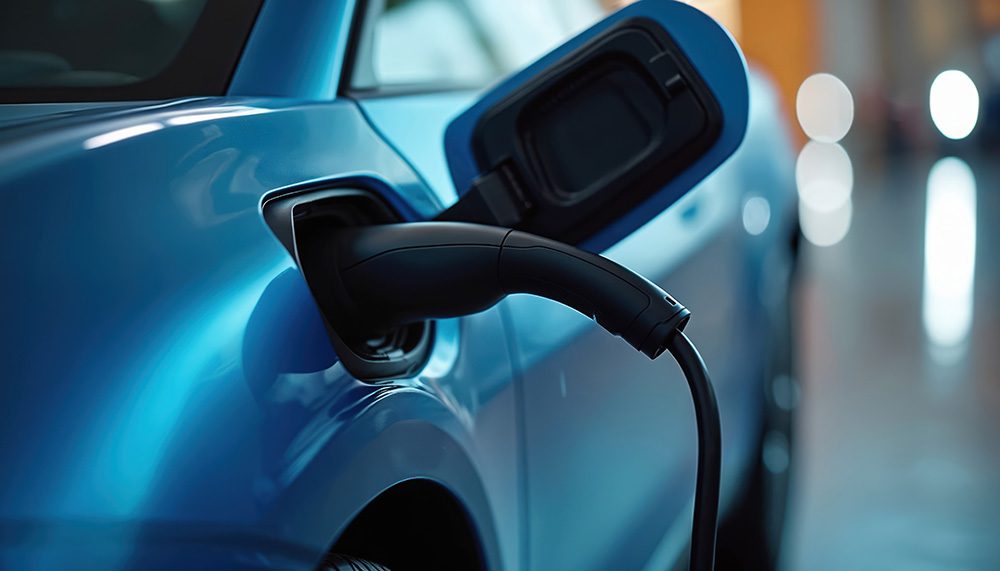
In a significant development poised to reshape the landscape of electric vehicle charging, Chinese automotive giant Geely has officially unveiled its groundbreaking 1,500 kW EV charger. This announcement positions Geely as the second major Chinese automaker to introduce such high-power charging capabilities, signaling an intensified race to deliver ultra-fast charging solutions that could fundamentally alter consumer perceptions of electric vehicle convenience.
The revelation follows closely on the heels of rival BYD’s recent introduction of a new Blade Battery variant paired with a Flash Charger. BYD’s innovation promised charging speeds comparable to the time it takes to refuel a conventional petrol vehicle, making headlines across the industry. This rapidly evolving competitive environment underscores the pivotal role of advanced EV chargers and battery technology in the global push towards electric mobility.

Geely’s “Extreme Charge Megawatt Pile” Enters the Arena
Geely’s formidable new charging system, aptly named the Extreme Charge Megawatt Pile, has demonstrated a peak power output exceeding 1,500 kW. This monumental power capability was showcased with the updated Zeekr 001 luxury EV, a vehicle specifically engineered to leverage such high charging rates.
The Zeekr 001, which launched its updated 2026 model in October, boasts an impressive 12C charging rate. This figure indicates the battery’s capacity to be charged at 12 times its total capacity in one hour, though practical charging profiles manage this rate to optimize battery health and safety.
Technical Prowess: Powering the Zeekr 001
A key enabler for the Zeekr 001’s exceptional charging performance is its advanced 900 V electric architecture. This represents a substantial upgrade from the 800 V system utilized in its predecessor, allowing for more efficient power transfer and faster charging cycles.

Coupled with this high-voltage architecture is the vehicle’s 95 kWh Golden Battery. This proprietary battery technology is integral to the Zeekr 001’s ability to accept and manage the immense power delivered by Geely’s new megawatt EV chargers, optimizing both speed and battery longevity.
Comparing Charging Speeds: Parity with Traditional Refuelling
The practical implications of Geely’s Extreme Charge Megawatt Pile are profound for EV drivers. The company reports that the updated Zeekr 001 can recharge its 95 kWh Golden Battery from 10% to 80% in approximately seven minutes.
This remarkable charging time effectively matches, or even surpasses, the speed at which a driver of a conventional internal combustion engine (ICE) vehicle can fill their tank. Such performance directly addresses one of the most significant barriers to widespread EV adoption: the perceived inconvenience and duration of charging compared to traditional refuelling.
China’s Fierce EV Market: Geely vs. BYD
The unveiling of Geely’s 1,500 kW EV chargers takes place amidst an intensely competitive landscape within the Chinese electric vehicle market. For several months leading up to this announcement, BYD, a once-dominant player, had experienced a sales slump.
This momentary dip allowed Geely, which also owns the renowned Swedish brand Volvo, to edge out BYD and claim the top position in terms of vehicle deliveries. This shifting dynamic underscores the relentless innovation and fierce rivalry characterizing China’s automotive sector, with both companies pushing the boundaries of electric vehicle technology and market leadership.
Integrated Charging Networks: A Strategic Imperative
Beyond individual vehicle and charger technologies, both Geely and BYD recognize the critical importance of a robust charging infrastructure. Similar to its competitor, Geely has been strategically building out its own extensive EV charging network across China.
According to reports from China’s Autohome, Geely currently operates a substantial network comprising over 2,103 charging stations distributed across 215 cities. This widespread infrastructure is crucial for supporting the deployment of high-power EV chargers like the Extreme Charge Megawatt Pile, ensuring that drivers have access to these advanced facilities.
Implications for EV Adoption and Infrastructure
The introduction of 1,500 kW EV chargers by major players like Geely represents a significant leap forward for the entire electric vehicle ecosystem. These advancements are not merely technical feats; they have far-reaching implications for consumer confidence, infrastructure planning, and the future trajectory of global electric mobility.
Tackling Range Anxiety with Speed
The ability to achieve near-instantaneous charging, mirroring the speed of traditional refuelling, directly confronts the pervasive issue of range anxiety. For many prospective EV buyers, concerns about charging times and the availability of fast-charging options remain a primary deterrent.
With megawatt EV chargers, the practical utility of electric vehicles for long-distance travel and daily commuting is dramatically enhanced. This accelerated charging capability empowers drivers with greater flexibility and reduces the perceived planning burden associated with electric vehicle ownership, thereby fostering broader market acceptance.
The Future of Electric Vehicle Charging Standards
As Chinese automakers like Geely and BYD lead the charge in megawatt charging capabilities, the global conversation around EV chargers and charging standards will inevitably evolve. The development of ultra-high-power charging systems necessitates advancements in grid infrastructure, battery thermal management, and robust communication protocols between vehicles and charging stations.
These innovations pave the way for a future where electric vehicle charging is not just faster, but also seamlessly integrated into daily life, setting new benchmarks for efficiency and convenience within the burgeoning electric mobility sector.
Conclusion: A New Era for Electric Mobility
Geely’s unveiling of its 1,500 kW Extreme Charge Megawatt Pile marks a pivotal moment in the evolution of electric vehicles. By effectively eliminating the significant time disparity between refuelling a petrol car and charging an EV, Geely, alongside BYD, is spearheading a fundamental shift in the practicality and appeal of electric cars.
These advancements in EV chargers and battery technology are critical in accelerating the global transition to sustainable transportation. As competition drives further innovation, consumers can anticipate an increasingly convenient and efficient future for electric mobility, solidifying the electric vehicle’s position as the mainstream choice.