

Key Takeaways:
- Honda has announced a strategic joint research agreement with American startup QuantumScape to develop next-generation solid-state EV batteries.
- This multi-year collaboration will focus on advancing solid-state cell technology and streamlining associated manufacturing processes.
- The partnership underscores Honda’s long-term commitment to electric vehicles, despite recent adjustments to its near-term EV launch plans.
- Solid-state batteries are widely considered the ‘holy grail’ of EV technology, promising enhanced safety, faster charging, and greater energy density compared to current lithium-ion batteries.
- QuantumScape, an existing partner with Volkswagen Group, has recently commenced pilot production of its lithium-metal cells on a fully automated manufacturing line in San Jose.
In a significant move poised to shape the future of electric mobility, Japanese automotive giant Honda has officially entered into a strategic partnership with QuantumScape, a leading American startup specializing in solid-state battery technology. The collaboration, publicly announced by both entities, signals an intensified race to integrate next-generation power solutions into electric vehicles (EVs) and other advanced applications.
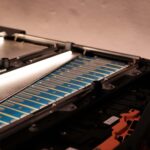
This joint research agreement establishes a multi-year framework dedicated to the development of sophisticated solid-state battery cells and the refinement of their associated manufacturing processes. Honda, which has been discreetly evaluating QuantumScape’s innovative technology, is now escalating its commitment, moving into a more public and collaborative phase.
Honda’s Strategic Shift Towards Advanced EV Battery Technology
The alliance comes at a crucial juncture for Honda’s electric vehicle strategy. While the company recently revised its immediate plans for a series of next-generation EVs, which were initially slated for a U.S. launch this year, the partnership with QuantumScape reaffirms its steadfast belief in the long-term potential of electric vehicles. This collaboration with a pioneering firm in solid-state EV batteries suggests a strategic pivot towards foundational technologies that could underpin its future EV portfolio.
The move highlights the automotive industry’s recognition that advancements in battery technology are paramount for widespread EV adoption. By focusing on solid-state solutions, Honda aims to unlock performance metrics that could redefine consumer expectations for electric cars.

Why Solid-State Batteries are the ‘Holy Grail’ of EV Power
Solid-state batteries are frequently lauded as the transformative ‘holy grail’ within the realm of battery technology. Their potential stems from a fundamental departure from conventional lithium-ion batteries, which rely on a liquid electrolyte. In contrast, solid-state cells employ a solid electrolyte, presenting several theoretical advantages that could revolutionize electric vehicle performance and safety.
The shift to a solid electrolyte inherently promises enhanced safety by mitigating the risks associated with flammable liquid components. Furthermore, this technology is projected to enable significantly faster charging times, a critical factor in addressing range anxiety and improving the overall user experience for electric vehicle owners.
Perhaps most importantly for the automotive sector, solid-state EV batteries offer the potential for substantially higher energy density. This attribute translates directly into increased driving range for electric cars without a proportional increase in battery size or weight, addressing a key challenge in current EV design.
QuantumScape’s Innovations and Market Position
QuantumScape has emerged as a frontrunner in the challenging field of solid-state battery development. The company recently achieved a significant milestone by initiating pilot production of its advanced lithium-metal cells. This production is taking place on a fully automated manufacturing line at its facility in San Jose, marking a crucial step towards commercial viability.
The startup’s business model deviates from that of a traditional component supplier. Instead, QuantumScape aims for automakers to license its proprietary intellectual property (IP) and manufacturing processes. This strategy empowers automotive manufacturers to produce the advanced battery cells themselves, integrating the technology directly into their production ecosystems.
Key Partnerships and Industry Validation
Honda is not the only major automotive player to recognize QuantumScape’s potential. The American startup also counts the Volkswagen Group as a significant investor and collaborator. This dual endorsement from leading global automakers underscores the credibility and promising nature of QuantumScape’s solid-state battery technology.
The multi-year plan with Honda is specifically structured to not only advance battery development but also to refine the complex manufacturing processes required for large-scale automotive applications. This integrated approach is vital for overcoming the inherent challenges of bringing such advanced technology to mass market.
The Roadblocks to Commercialization and Industry Progress
While the theoretical benefits of solid-state EV batteries are compelling, their journey from laboratory concept to mass-produced automotive component has been a protracted one. Tiny solid-state cells have successfully powered medical devices for decades, demonstrating their reliability and efficiency in small-scale applications.
However, the significant hurdle has been scaling these batteries to the dimensions and capacities necessary for electric cars, followed by the formidable task of mass production. This involves intricate engineering and materials science challenges that have historically slowed progress.
Currently, gel-based semi-solid batteries have made their way into production cars in China and are undergoing testing in the United States. However, true solid-state batteries, characterized by a completely solid electrolyte, are yet to be widely integrated into commercially available electric vehicles. Unverified claims by some startups, such as Donut Lab regarding a solid-state pack in a motorcycle, highlight the ongoing quest and the intense scrutiny in this rapidly evolving sector.
Honda’s Ambitious EV Battery Goals
Honda has consistently expressed ambitious targets for its future electric vehicle offerings, particularly concerning battery performance. As recently as 2024, the automaker articulated a vision where its solid-state EV batteries would be:
- 50% smaller than current cells.
- 35% lighter than existing technologies.
- 25% cheaper to manufacture, significantly impacting overall EV cost.
- Capable of delivering a remarkable range of 620 miles on a full charge.
These projections, made prior to the recent adjustments to its ‘0 Series platform’ rollout, illustrate Honda’s strategic direction. The company also set an even more audacious long-term goal, predicting that by 2040, solid-state powered electric vehicles could achieve an astounding range of 776 miles between charges. Such claims underscore the high stakes and transformative potential Honda attributes to this advanced battery technology.
The Broader Automotive Race for Next-Generation Batteries
Honda is not alone in its pursuit of solid-state battery supremacy. The global automotive industry views this technology as a cornerstone for its future electrification strategies. Toyota, a pioneer in hybrid technology, has been investing and touting advancements in solid-state battery research since as far back as 2010, indicating a long-term commitment to this promising field.
Similarly, American automotive behemoth General Motors is actively testing solid-state cells within its dedicated battery laboratories, signaling an internal development push to integrate these advanced power units into its future EV lineup. This widespread industry engagement highlights the collective understanding that superior battery technology is crucial for achieving greater EV performance, affordability, and market acceptance.
The Road Ahead for Electric Mobility and Solid-State EV Batteries
The joint research agreement between Honda and QuantumScape marks a significant milestone in the ongoing evolution of electric vehicle technology. As automakers strive to meet stringent emissions regulations and consumer demand for more capable EVs, the development and mass production of efficient, safe, and cost-effective solid-state EV batteries become increasingly critical.
This partnership not only enhances the prospects for QuantumScape’s technology but also reinforces Honda’s commitment to innovation and its long-term vision for sustainable mobility. The coming years will undoubtedly witness accelerated progress in this area, bringing the promise of revolutionary electric vehicles closer to reality.
Frequently Asked Questions About Solid-State EV Batteries
What are solid-state EV batteries?
Solid-state EV batteries are a next-generation battery technology that replaces the liquid electrolyte found in conventional lithium-ion batteries with a solid material. This fundamental change promises significant improvements in safety, energy density, and charging speed for electric vehicles.
Why is Honda partnering with QuantumScape?
Honda is partnering with QuantumScape to jointly develop advanced solid-state battery cells and manufacturing processes. This collaboration aims to accelerate the integration of this highly promising technology into Honda’s future electric vehicle lineup, aligning with its long-term electrification goals.</p
What are the main advantages of solid-state batteries?
The primary advantages of solid-state EV batteries include enhanced safety due to the elimination of flammable liquid electrolytes, faster charging capabilities, and significantly higher energy density. Higher energy density translates to greater driving range for electric cars with less weight and volume.
When can we expect solid-state batteries in production EVs?
While small solid-state cells exist in medical devices and semi-solid batteries are in some Chinese EVs, true solid-state batteries for mass-market electric vehicles are still undergoing development and scaling challenges. Experts anticipate their widespread commercial availability in the next few years, though specific timelines vary by manufacturer.
What is QuantumScape’s role in the battery market?
QuantumScape is a battery startup focused on developing and commercializing solid-state lithium-metal battery technology. Rather than being a traditional supplier, its strategy involves licensing its proprietary technology and manufacturing processes to major automotive manufacturers like Honda and Volkswagen Group.
Has Honda made claims about solid-state battery performance?
Yes, Honda has previously stated ambitious goals for its solid-state EV batteries. These include aspirations for cells that are 50% smaller, 35% lighter, and 25% cheaper, potentially offering an impressive range of 620 miles by 2024 and up to 776 miles by 2040.