
Key Takeaways
- Honda’s global electric car business experienced a significant decline in the most recent financial quarter, ending December.
- Global EV sales for the Japanese automaker plummeted by half, reaching only 15,000 units during the October-December period.
- Honda’s electric vehicle segment is projected to incur substantial losses, estimated at approximately $4.48 billion for the full fiscal year.
- General Motors, a key partner in Honda’s initial EV rollout, is expected to receive compensation for reduced production orders, potentially emerging as an unexpected beneficiary.
- The downturn has prompted Honda to initiate a “fundamental review” of its electric vehicle strategy, shifting towards an in-house developed EV architecture.
In a significant setback for its ambitious electrification goals, Honda’s global electric car business witnessed a dramatic sales decline during the last financial quarter, impacting its consolidated profits and prompting a strategic reassessment. The downturn, which saw the Japanese automaker’s EV sales fall by half globally, has inadvertently positioned American automotive giant General Motors to gain financially from their existing manufacturing agreement.
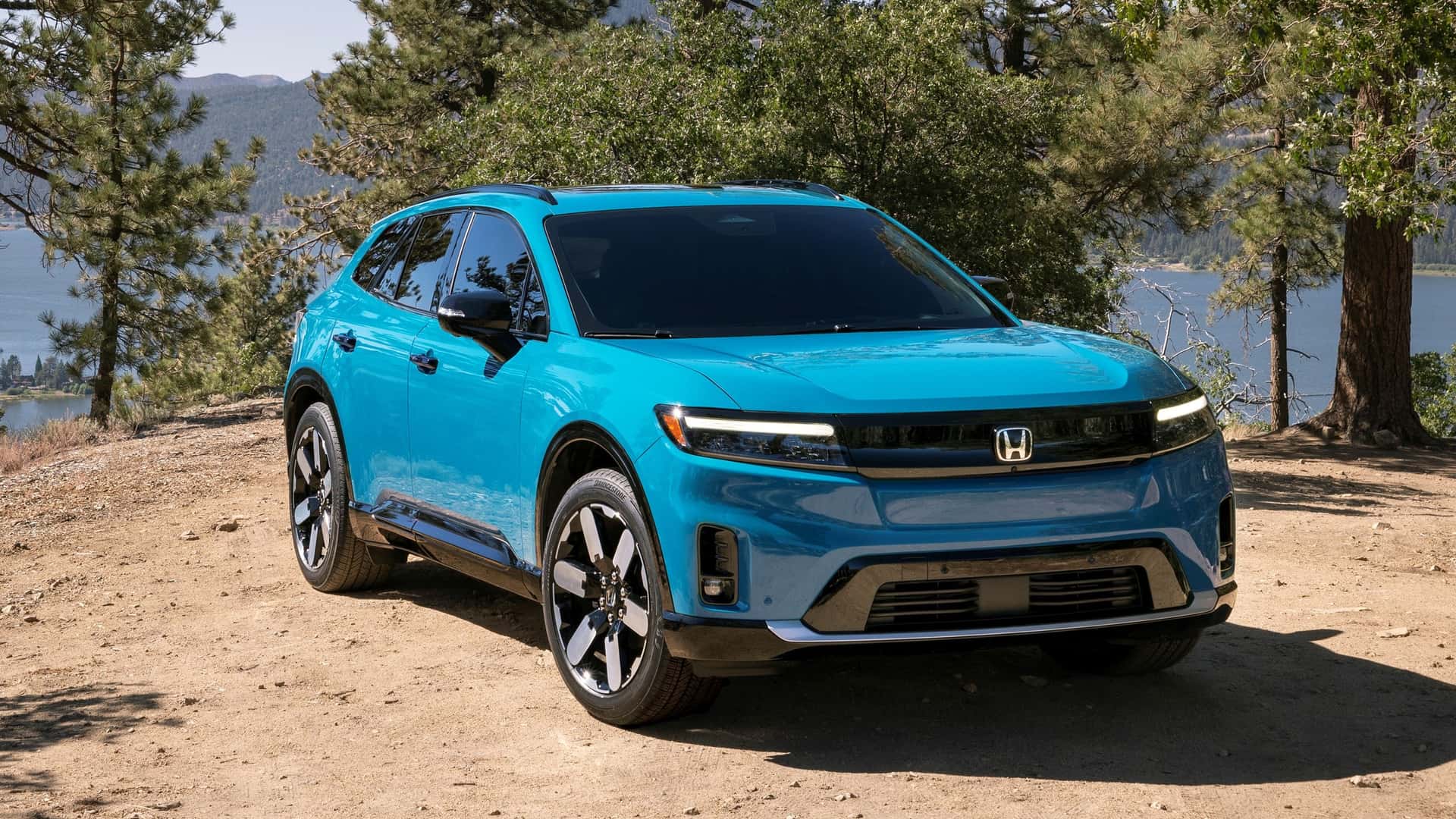
The core of Honda’s initial electric vehicle push in the North American market relied on a crucial partnership with General Motors. This collaboration involved the joint development of the Honda Prologue and the Acura ZDX electric crossovers, both of which utilized the same electric platform as GM’s Chevrolet Blazer EV and were assembled at GM’s facilities in the United States and Mexico.

The Unforeseen Backlash of a Strategic Alliance
The alliance between Honda and General Motors was conceived as a pathway for Honda to rapidly introduce competitive electric vehicles to market, leveraging GM’s established Ultium electric platform and manufacturing capabilities. However, market reception for the co-developed models proved challenging, leading to a substantial drop in sales for both the Prologue and ZDX from October through December.
This precipitous decline forced Honda to reduce its production orders with General Motors. Under the terms of their manufacturing agreement, Honda is now obligated to compensate the American automaker for this decreased output, as reported by Automotive News. This arrangement ensures a revenue stream for GM even as Honda navigates its electric vehicle challenges.
Acura ZDX’s Short-Lived Journey and Prologue’s Struggles
The Acura ZDX, assembled at GM’s Spring Hill plant in Tennessee, had an especially brief market presence. It was discontinued after just one model year, primarily due to underwhelming sales performance and the untimely cancellation of the $7,500 federal tax credit shortly before its launch. In its entire lifespan, the Acura ZDX accumulated only 19,411 sales.

Similarly, the Honda Prologue, which is manufactured at GM’s Ramos Arizpe plant in Mexico, has faced considerable headwinds despite an initially promising start. While Honda reported 39,194 Prologue EV sales in the U.S. last year, representing an 18.7% increase compared to its preceding period’s performance, the final quarter of the year saw an alarming 86% plunge in sales, with only 2,641 units finding buyers.
Deepening Financial Losses and Strategic Review
The struggles in its electric car business have significantly impacted Honda’s financial health. The company recorded its fourth consecutive quarter of operating losses, with consolidated profits plummeting a substantial 61% in the October-December fiscal third quarter. This sustained underperformance has triggered a comprehensive evaluation of Honda’s overarching electric vehicle strategy.
In the first nine months of the previous financial year, which concludes in March 2026, Honda’s expenditures and write-offs related to its electric vehicle segment swelled to $1.71 billion. The company anticipates these EV-related losses to escalate dramatically, reaching an estimated $4.48 billion by the fiscal year’s conclusion.
Further exacerbating these financial pressures are the U.S. import duties, which are projected to contribute an additional $1.98 billion in losses by the end of March. Consequently, Honda’s overall operating profit is expected to decrease by a concerning 55% as it grapples with these multi-faceted economic challenges in the competitive automotive industry.
Mitigation Efforts and Future Outlook
In an attempt to mitigate these escalating losses, Honda has indicated plans to boost fleet sales of the Prologue crossover. However, this strategy is expected to necessitate additional expenditure on manufacturer incentives. Despite significant efforts, including an investment of over $17,000 into every Prologue sold in the U.S. last month, sales remained sluggish, with only 664 units delivered.
The experiences with the Acura ZDX’s cancellation and the Honda Prologue’s market challenges have spurred a fundamental shift in Honda’s electric car business strategy. The Japanese automaker is now pivoting towards developing an entirely new, bespoke electric vehicle lineup. This upcoming generation of EVs will be built upon an in-house-developed architecture, branded as the “0 Series.”
The first model to emerge from this new platform will be the Acura RSX crossover, slated for market release by the end of this year. This will be followed by two distinct Honda models, the 0 Series SUV and the 0 Series Saloon, signaling a clear departure from its previous reliance on external platforms and a renewed focus on proprietary electric vehicle technology.
Revised EV Ambitions Amidst Market Realities
Honda’s ambitious projections for its electric car business have been significantly scaled back in light of current market realities and unforeseen regulatory and trade changes. In 2024, the company had set a bold target of selling as many as two million electric vehicles globally by 2030.
However, by last year, these projections were drastically revised downwards to a more conservative range of approximately 700,000 to 750,000 units. This adjustment underscores the volatile and rapidly evolving nature of the global electric vehicle market and the challenges even established automotive giants face in achieving their electrification roadmaps.
Frequently Asked Questions (FAQ)
Why did Honda’s EV sales drop significantly?
Honda’s electric vehicle sales plummeted due to poor market reception of its jointly developed models, the Honda Prologue and Acura ZDX. Specific factors include the cancellation of federal tax credits for the ZDX, intensified competition, and potentially issues with market positioning and pricing of these early models. The substantial 86% quarterly drop for the Prologue highlights these challenges.
How does General Motors benefit from Honda’s EV troubles?
General Motors benefits through its manufacturing agreement with Honda. As Honda reduces its orders for the Prologue and ZDX due to low sales, the contractual terms stipulate that Honda must compensate GM for the reduced output. This provides GM with a financial gain despite the underperformance of the co-developed vehicles, underscoring the nature of their strategic partnership.
What is the Honda Prologue and its sales performance?
The Honda Prologue is an electric crossover jointly developed with General Motors, utilizing GM’s electric platform and assembled at its Ramos Arizpe plant in Mexico. While Honda sold 39,194 Prologue EVs in the U.S. last year, showing an 18.7% increase, its sales dramatically tumbled by 86% to just 2,641 units in the most recent financial quarter.
What is Honda’s new strategy for its electric car business?
Following the setbacks, Honda is undertaking a “fundamental review” of its electric vehicle strategy. The company is shifting towards developing a new, in-house-developed electric vehicle architecture known as the “0 Series.” This platform will underpin future models, starting with the Acura RSX crossover this year, followed by the Honda 0 Series SUV and 0 Series Saloon.
What financial impact have EV losses had on Honda?
Honda’s electric car business has reported four consecutive quarters of operating losses. The company’s consolidated profits dropped 61% in the October-December quarter, and EV-related expenses and write-offs are projected to reach $4.48 billion by the end of the current fiscal year. Additionally, U.S. import duties are expected to add another $1.98 billion in losses, severely impacting overall operating profit.
What role did federal tax credits play in the Acura ZDX’s cancellation?
The cancellation of the $7,500 federal tax credit significantly impacted the Acura ZDX’s market viability. While not the sole reason, the loss of this incentive made the vehicle less competitive on price, further exacerbating its poor sales performance. Acura ultimately pulled the plug on the model just before the tax credit was revoked, contributing to its short lifespan.