
Key Takeaways:
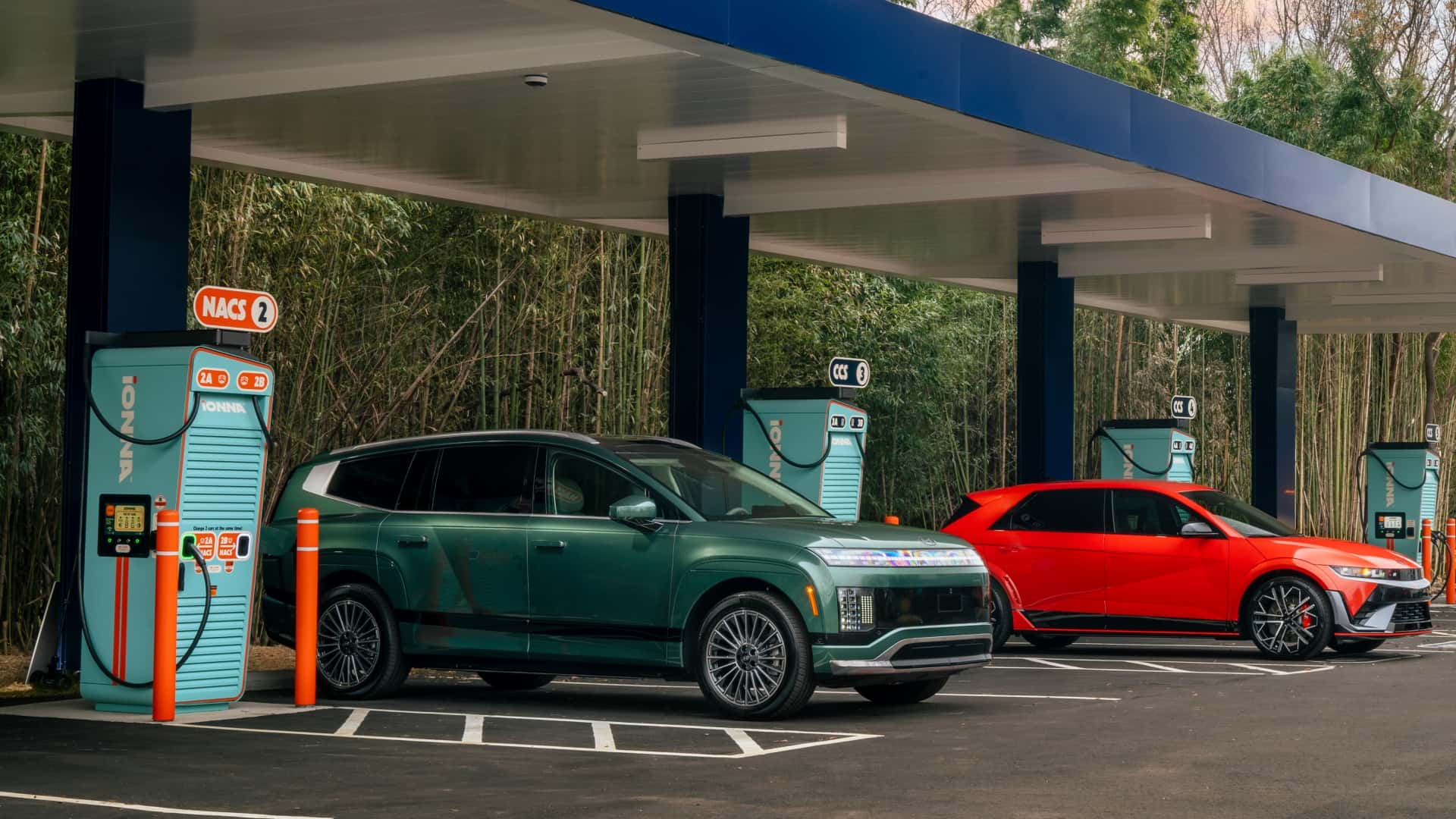
- Ionna, a consortium backed by eight major automakers, will install hundreds of high-powered electric vehicle (EV) charging stations at Circle K locations across the United States.
- The partnership includes Ionna taking over and upgrading Circle K’s existing EV charging network, adding 378 ports across 93 locations to its rapidly expanding footprint.
- This strategic collaboration aims to significantly bolster the nation’s public fast-charging infrastructure, addressing a critical hurdle for broader EV adoption.
- The move reflects a growing trend of retail and convenience store chains partnering with EV charging providers to offer essential amenities and capitalize on increased dwell times for electric vehicle drivers.
- All new Ionna stations will feature 400-kilowatt charging dispensers, supporting both CCS and Tesla-style NACS connectors, advancing towards a goal of 30,000 charging bays by 2030.
In a significant development for the electric vehicle (EV) sector, Ionna, the formidable charging consortium established by eight leading global automakers, has announced a sweeping partnership with convenience store giant Circle K. This alliance is set to dramatically expand the public EV charging network across the United States, marking a crucial step in enhancing accessibility and reliability for electric vehicle drivers nationwide.
The collaboration, unveiled on Tuesday, April 14, 2024, will see Ionna strategically deploying hundreds of its high-powered fast charging stations at Circle K sites across the country. Beyond the installation of new infrastructure, Ionna will also assume operations of Circle K’s existing EV charging network, integrating these facilities into its rapidly growing ecosystem of ‘Rechargeries’. This move signals a concerted effort by key industry players to accelerate the build-out of a robust and user-friendly electric vehicle charging infrastructure.
Strategic Expansion of the EV Charging Network
The partnership positions Ionna closer to its ambitious target of establishing 30,000 charging bays across North America by 2030. By leveraging Circle K’s extensive retail footprint, Ionna gains immediate access to prime locations that are easily accessible to a large consumer base, replicating the ubiquitous nature of traditional fuel stations. This scale is vital for fostering consumer confidence in long-distance EV travel.
Under the terms of the new agreement, Ionna plans to integrate its advanced charging solutions into over 350 Circle K locations. This considerable expansion effort is designed to strategically place powerful charging options in convenient and frequently visited areas, thereby mitigating ‘range anxiety’—a primary concern for potential EV buyers.
Integrating Existing Infrastructure for Enhanced Service
A notable aspect of this partnership involves Ionna taking over Circle K’s pre-existing public charging infrastructure. According to data from the U.S. government’s Alternative Fuels Data Center, Circle K currently operates 378 EV charging ports spread across 93 distinct locations. These established charging points will now be folded into Ionna’s comprehensive network.
Ionna has committed to “rapidly convert and upgrade approximately 85 existing Circle K charging sites.” This means current Circle K stations are slated for modernization, promising EV drivers a more streamlined, user-friendly, and significantly faster charging experience. The integration will ensure consistency in service and technology across the expanding Ionna network, a crucial factor for building trust and reliability among the growing community of electric vehicle owners.
Advanced Charging Technology for Modern EVs
Central to Ionna’s strategy is its commitment to high-speed charging capabilities and universal compatibility. All Ionna stations are equipped with 400-kilowatt charging dispensers. This power output ensures rapid energy replenishment, drastically reducing wait times for drivers and making EV charging comparable to a quick fuel stop.
Furthermore, these advanced stations are designed to support both major charging standards: the Combined Charging System (CCS) and the Tesla-style North American Charging Standard (NACS) connectors. This dual-standard approach ensures that a wide array of electric vehicles, regardless of manufacturer, can utilize Ionna’s facilities, simplifying the charging process and promoting broader interoperability within the EV charging network.
Addressing Key Hurdles to EV Adoption
The availability of reliable and convenient public fast charging stations remains one of the most significant barriers to the widespread adoption of electric vehicles. While global EV sales growth may have experienced a slight cooling trend following the conclusion of certain federal tax credits in the past year, the underlying commitment to developing robust charging infrastructure continues unabated.
The nation’s build-out of DC fast chargers has, in fact, persisted at a record pace. This sustained investment, despite short-term market fluctuations, underscores the long-term industry outlook that anticipates a significant rebound and sustained growth in EV sales in the years to come. Partnerships like that between Ionna and Circle K are instrumental in laying the groundwork for this anticipated surge in electric vehicle ownership.
The Strategic Rationale Behind Retail Partnerships
The collaboration between charging providers and retail giants like Circle K is part of a broader, well-defined industry trend. Retailers and gas station chains are increasingly recognizing and embracing the immense opportunity presented by the burgeoning EV market. This strategic alignment offers mutual benefits that are critical for scaling the EV charging network.
For electric vehicle drivers, these partnerships translate into a familiar and convenient experience. Charging an EV at a retail location such as Circle K replicates the traditional gas-station and rest-stop model, offering essential amenities like clean restrooms, diverse restaurant options, cafes, and reliable Wi-Fi. Many dedicated EV charging sites currently lack these basic conveniences, making the retail integration a significant upgrade to the overall charging experience.
From the retailers’ perspective, the logic is equally compelling. While a conventional gas stop typically takes a mere 5-10 minutes, an EV driver often spends around 20-40 minutes at a fast charging station. This extended dwell time presents a substantial sales opportunity for convenience stores, allowing drivers more time to browse and purchase snacks, beverages, and other merchandise, thereby increasing in-store revenue.
A Growing Trend in Charging Infrastructure Development
The Ionna-Circle K partnership is not an isolated incident but rather a prominent example of a rapidly expanding trend within the automotive and retail sectors. Major convenience store operators and travel centers are actively engaging with electric vehicle charging companies to establish wide-ranging EV charging networks.
Last year, Ionna also forged similar alliances with other prominent retail chains, including Sheetz and Wawa, further illustrating its aggressive expansion strategy. Concurrently, General Motors and EVGo have continued to broaden their charging footprint at Pilot and Flying J travel centers, enhancing charging options along major highways and transportation corridors. Similarly, Mercedes-Benz High Power Charging has been actively installing its state-of-the-art fast chargers at Buc-ee’s, the popular Texas-based travel center chain. These concerted efforts highlight a collective industry movement towards building a comprehensive and interconnected electric vehicle charging infrastructure.
The Future Outlook for Electric Mobility
This latest partnership between Ionna and Circle K represents a vital investment in the future of electric mobility. By addressing critical infrastructure gaps and enhancing the convenience factor, such collaborations are pivotal in accelerating consumer confidence and driving the mainstream adoption of electric vehicles. As the automotive industry continues its pivot towards electrification, the strategic placement of reliable, high-speed EV charging stations at accessible retail locations will be fundamental to realizing a sustainable transportation ecosystem. The ongoing expansion of a robust EV charging network ensures that the transition to electric vehicles is not just environmentally beneficial, but also practical and seamless for everyday drivers.
FAQ Section
What is the core of the Ionna-Circle K partnership?
The partnership involves Ionna installing hundreds of new high-powered EV charging stations at Circle K locations across the U.S. Additionally, Ionna will take over and upgrade Circle K’s existing network of 378 charging ports at 93 sites, integrating them into its broader EV charging network.
What kind of charging technology will Ionna use at Circle K locations?
Ionna will deploy 400-kilowatt fast charging dispensers. These stations are designed for universal compatibility, supporting both the Combined Charging System (CCS) and the Tesla-style North American Charging Standard (NACS) connectors, catering to a wide range of electric vehicles.
Why are retail partnerships important for EV charging?
Retail partnerships like this offer significant benefits. They provide EV drivers with familiar and convenient charging locations that include amenities such as restrooms, food, and Wi-Fi, similar to traditional gas stations. For retailers, the longer dwell time of EV drivers creates increased opportunities for in-store sales.
What is Ionna’s overall goal for its EV charging network?
Ionna, a consortium founded by eight major automakers including General Motors, Stellantis, and Toyota, aims to establish an extensive EV charging network with 30,000 charging bays across North America by 2030. This partnership with Circle K is a key step towards achieving that ambitious target.
How does this partnership address challenges in EV adoption?
By significantly expanding the availability of reliable, high-speed public fast-charging stations, the Ionna-Circle K collaboration directly tackles ‘range anxiety’—a major hurdle for potential EV buyers. It makes EV ownership more practical and convenient by ensuring charging options are readily available in accessible locations.
Is the build-out of DC fast chargers slowing down due to cooled EV sales?
Despite a recent cooling in EV sales growth, the nationwide build-out of DC fast chargers has continued at a record pace. This sustained investment indicates a long-term industry commitment to electrification, anticipating a rebound in EV sales and highlighting the critical need for robust charging infrastructure.