
Key Takeaways:
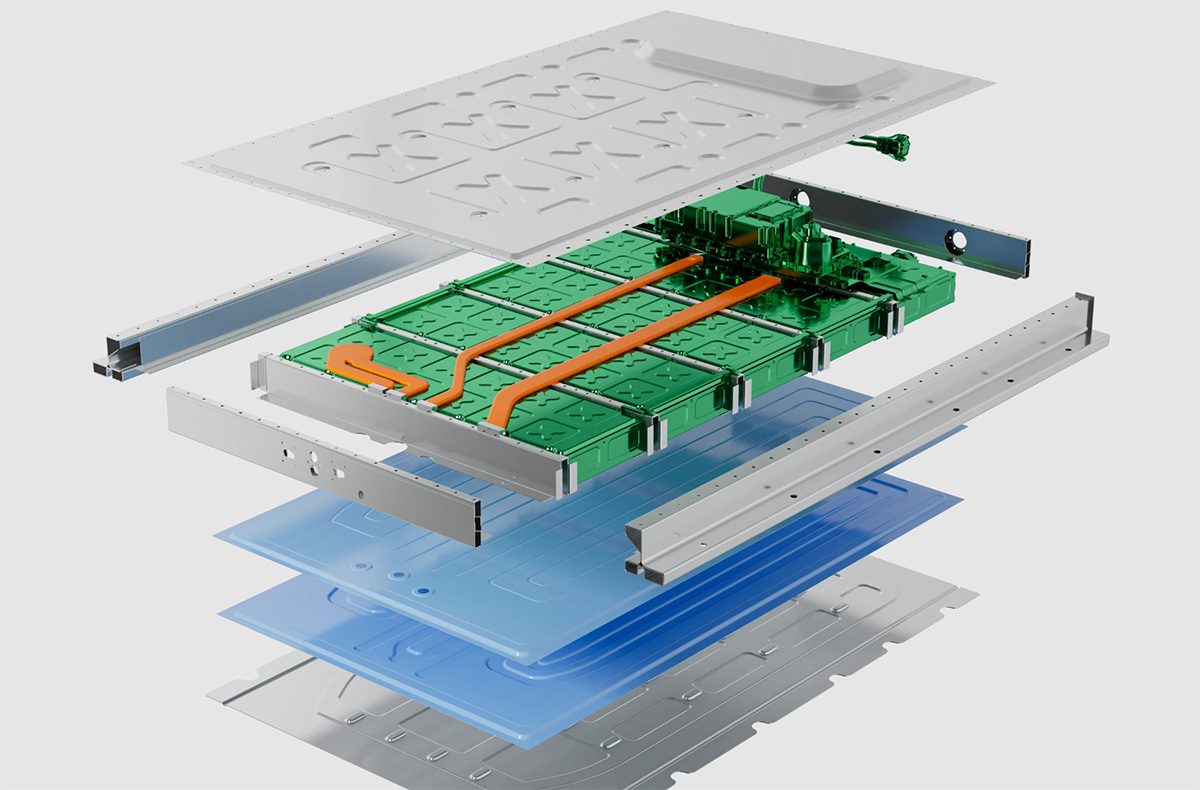
Maxion Structural Components and Novelis have collaboratively developed Maxion InVolt, an innovative battery housing designed for electric buses and trucks.
Stamped from a newly engineered rolled aluminum alloy, InVolt is approximately 35% lighter than traditional extruded aluminum housings, significantly reducing vehicle weight and enhancing efficiency.

Its advanced design offers superior cost-effectiveness, simplifies maintenance access to internal components, and substantially contributes to CO2 emission reduction through high recyclability.
The solution is adaptable across a wide range of electric commercial vehicles, from light to heavy, and is targeted for global market adoption, addressing critical challenges in the expanding electric mobility sector.
Pioneering Innovation for Electric Commercial Vehicles
In a significant stride towards accelerating sustainable transportation, Maxion Structural Components and Novelis have officially unveiled Maxion InVolt, an advanced battery housing meticulously engineered for the burgeoning electric commercial vehicle market. This collaborative effort brings forth a solution poised to redefine efficiency and sustainability standards for electric buses and trucks.

The Maxion InVolt housing distinguishes itself through its innovative construction. It is manufactured from rolled aluminum using a novel alloy specifically developed for this application. This choice of material and manufacturing process underscores a commitment to delivering high-performance components for the demanding electric vehicle (EV) sector.
The Weight Advantage: A Game Changer for EV Fleets
A core challenge in the development of battery-electric buses and trucks revolves around managing vehicle weight. Heavier vehicles consume more energy, which directly impacts their operational range, payload capacity, and overall efficiency. The Maxion InVolt directly addresses this critical constraint.
According to the companies, the InVolt housing boasts a remarkable weight reduction of approximately 35% when compared to an extruded aluminum housing constructed to meet identical technical specifications. This substantial decrease in weight translates into tangible benefits for fleet operators, potentially extending vehicle range and increasing payload capacity without compromising structural integrity or safety.
The design versatility of the InVolt housing further enhances its appeal. Engineered for adaptability, it can be tailored to suit various vehicle sizes, encompassing the spectrum from light commercial vehicles to robust heavy-duty trucks and buses. This broad applicability positions InVolt as a scalable solution for diverse global markets, reflecting a strategic vision for widespread adoption in the electric mobility landscape.
Redefining Manufacturing and Maintenance Efficiency
The selection of stamped aluminum for the InVolt housing is not merely about weight reduction; it also brings forth considerable manufacturing and maintenance advantages. Stamped aluminum is a widely utilized material across the automotive industry, celebrated for its versatility and cost-efficiency in mass production.
Maxion highlights that, when contrasted with prevailing manufacturing processes for battery housings, the stamped approach offers superior cost-effectiveness. This economic benefit is crucial for original equipment manufacturers (OEMs) seeking to optimize production costs while maintaining high quality. Beyond manufacturing, the design of the stamped InVolt housing facilitates significantly easier access to internal components, a feature that streamlines maintenance procedures and potentially reduces downtime for commercial vehicle operators.
The established use of stamped aluminum in the broader automotive sector also lends credibility and familiarity to this innovative application within electric commercial vehicles, signaling a mature and reliable manufacturing pathway.
Aluminum: The Sustainable Core of InVolt
Novelis, a global leader in aluminum rolled products, played a pivotal role in supplying the raw material expertise crucial for the InVolt project. The company emphasizes aluminum’s inherent properties, which make it an ideal choice for the rigorous safety and performance demands of electric commercial vehicles.
Aluminum’s unique combination of low weight and exceptional impact absorption capabilities is paramount for protecting sensitive battery components, enhancing overall vehicle safety, particularly in the event of a collision. Furthermore, aluminum stands out as a highly sustainable material due to its inherent recyclability. It can be repeatedly recycled without any degradation in its fundamental properties or performance.
Novelis underscores the profound environmental benefits of this characteristic, stating that aluminum recyclability has the potential to reduce greenhouse gas emissions by up to 95%. This aspect of the Maxion InVolt housing aligns perfectly with the overarching goals of the electric vehicle industry: to minimize environmental impact across the entire product lifecycle.
Industry Leaders Speak on Collaborative Success
The development of Maxion InVolt is a testament to the power of strategic partnerships and shared vision in driving innovation within the automotive sector. Leaders from both Maxion and Novelis have articulated the significance of this milestone.
Daniele Albagli, Vice President of Sales for Novelis South America, reiterated the company’s long-standing commitment to automotive innovation. “With over 40 years of experience in the automotive sector, Novelis is focused on co-creating innovative and customized solutions to meet the demand for more sustainable mobility,” Albagli stated, highlighting Novelis’s role in providing material science expertise to address evolving industry needs.
Marco Tulio Ricci, Global Director of Innovation and Engineering at Maxion Structural Components, emphasized the strategic importance of this development for the future of electric commercial transport. “The development of this solution represents a crucial step in our strategy to reduce the weight of electric commercial vehicles and, consequently, contribute to reducing CO₂ emissions without compromising vehicle load capacity,” Ricci commented, underscoring the dual benefits of weight reduction and environmental stewardship inherent in the InVolt design.
The Maxion InVolt battery housing represents more than just a component; it is a forward-looking solution that addresses multiple critical aspects of electric commercial vehicle design and operation—weight reduction, cost-efficiency, maintenance, and environmental sustainability. As the global push for electric mobility intensifies, innovations like InVolt will be instrumental in paving the way for a more efficient and sustainable transportation ecosystem.
Frequently Asked Questions (FAQ)
What is Maxion InVolt?
Maxion InVolt is a new battery housing developed jointly by Maxion Structural Components and Novelis for electric commercial vehicles, including buses and trucks. It’s manufactured from stamped rolled aluminum using a specially created alloy.
How much lighter is Maxion InVolt compared to traditional housings?
The InVolt housing is approximately 35% lighter than an extruded aluminum housing designed to meet the same technical specifications. This significant weight reduction helps improve the efficiency and range of electric commercial vehicles.
What are the main benefits of using stamped aluminum for the battery housing?
Stamped aluminum offers several advantages, including cost-effectiveness in manufacturing compared to current processes. It also allows for easier access to internal components for maintenance, enhancing operational efficiency for vehicle fleets.
How does Maxion InVolt contribute to sustainability?
Maxion InVolt contributes to sustainability through the use of aluminum, which is repeatedly recyclable without loss of properties. Novelis states that this recyclability can reduce greenhouse gas emissions by up to 95%, aligning with eco-friendly mobility goals.
Can Maxion InVolt be used in different types of electric commercial vehicles?
Yes, the design of the Maxion InVolt housing is highly adaptable. It can be customized to suit a range of vehicle sizes, from light commercial vehicles to heavy-duty electric trucks and buses, making it suitable for diverse global market applications.
What role did Novelis play in the development of InVolt?
Novelis supplied its raw-material expertise for the Maxion InVolt project. They are a leader in aluminum rolled products, and their knowledge was critical in developing the new alloy and ensuring aluminum’s properties met the stringent safety and performance demands of electric commercial vehicles.
Why is weight reduction critical for electric buses and trucks?
Weight is a central constraint for electric commercial vehicles because it directly impacts range, payload capacity, and energy consumption. Lighter components like InVolt’s housing help maximize these factors, making electric vehicles more practical and efficient for commercial operations.